
Firefighting Foam PFAS Ban Begins October 2026: What Fire Safety and Chemical Suppliers Need to Know

Firefighting Foam PFAS Ban Begins October 2026: What Fire Safety and Chemical Suppliers Need to Know
A major regulatory shift is approaching for the firefighting-foam industry as the European Union begins implementing new restrictions on PFAS-containing firefighting foams from 23 October 2026. The measures form part of the EU's broader strategy to reduce exposure to persistent “forever chemicals” and accelerate the transition toward fluorine-free firefighting foams.
For fire-safety operators, chemical manufacturers, foam formulators, distributors, airports, industrial facilities and other users of Class B firefighting foams, the October deadline marks an important compliance milestone. However, it is important to note that the October 2026 date does not represent a blanket ban on every PFAS-containing firefighting foam in every application. The EU regulation establishes concentration limits, restrictions and sector-specific transition periods.
What Changes in October 2026?
Under Commission Regulation (EU) 2025/1988, PFAS in firefighting foams are subject to a restriction when the combined concentration of PFAS reaches or exceeds 1 mg/L. The regulation establishes a general prohibition from 23 October 2030, while introducing earlier requirements and sector-specific deadlines beginning in 2026.
From 23 October 2026, certain uses of PFAS-containing firefighting foams at or above the 1 mg/L threshold become subject to specific operating conditions. These include limiting their use to Class B fires involving flammable liquids and reducing releases and human exposure as far as technically and practically possible.
This means companies cannot treat October 2026 as a simple “switch-off” date. Instead, they need to determine which products, facilities and applications fall under the regulation and which transitional provisions apply.
Why PFAS Has Been Used in Firefighting Foam
PFAS-based aqueous film-forming foams, commonly known as AFFF, have historically been used for extinguishing Class B fires involving fuels and other flammable liquids. Their ability to rapidly spread across the surface of burning liquids has made them particularly valuable in aviation, petrochemical, military and industrial applications.
The same chemical properties that make PFAS useful in demanding fire-suppression applications also create environmental concerns. PFAS are highly persistent and can remain in environmental systems for long periods, increasing the importance of controlling releases from firefighting activities.
The U.S. military, aviation and petrochemical industries have historically been among the largest users of PFAS-containing AFFF.
Key Transition Dates
The EU framework provides different deadlines depending on the application.
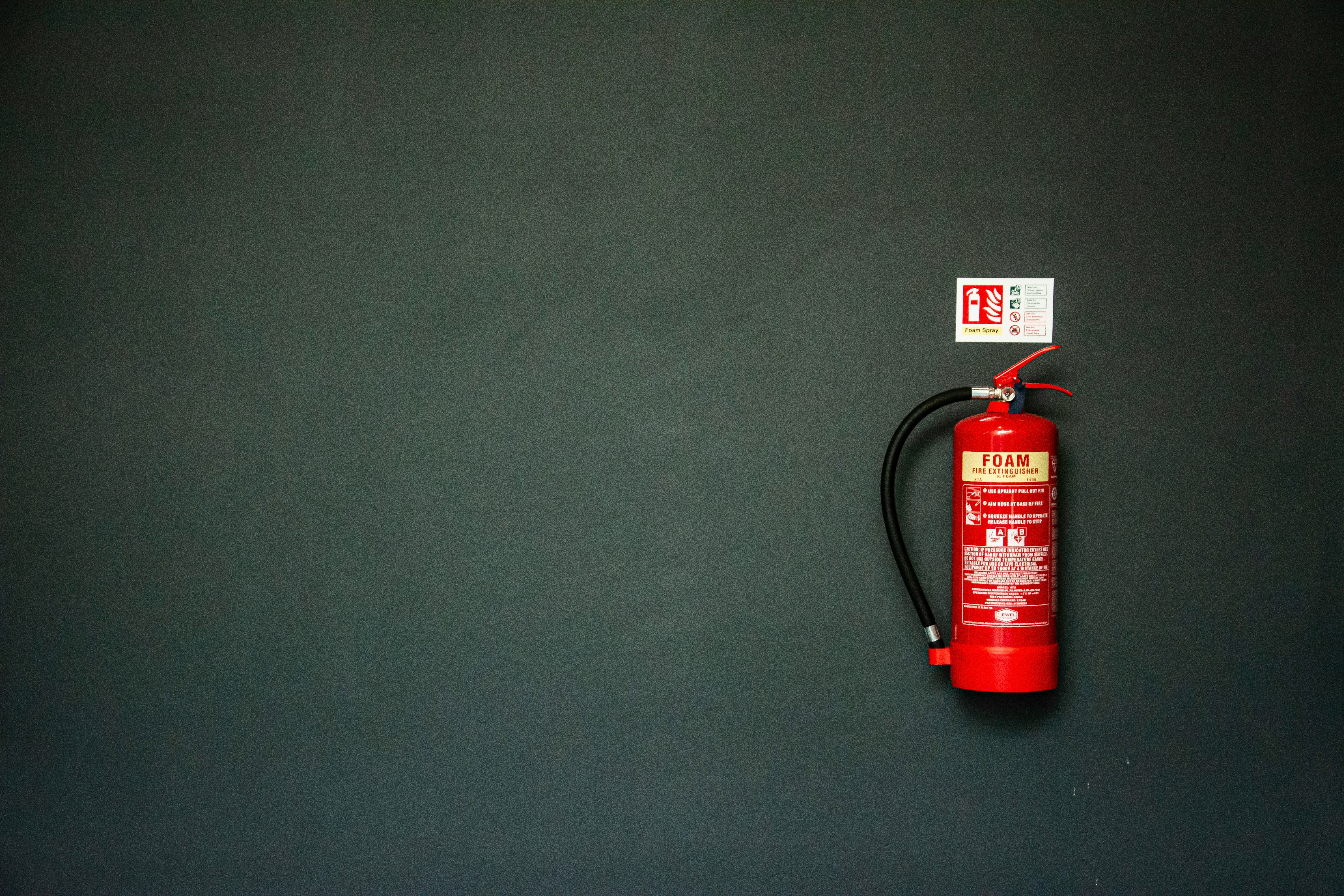
For example, PFAS-containing foams in portable fire extinguishers can continue under specific derogations until 23 October 2026, while alcohol-resistant foams in portable extinguishers have a transition period until 23 April 2027. Certain industrial, offshore oil and gas and military-vessel applications receive longer transition periods extending to 23 October 2035.
Public firefighting services and certain training and testing activities also receive transitional provisions, subject to specific conditions.
The longer transition periods recognize that replacing firefighting systems in high-risk environments can require extensive testing, equipment modification and validation of alternative products.
What Fire Safety Operators Need to Do
Companies using firefighting foam should begin with a detailed inventory of their existing products.
The first priority is to identify whether stored foam is AFFF or another fluorinated formulation, determine its PFAS composition and establish whether its concentration falls within the relevant regulatory thresholds.
Operators should also review:
Fire-suppression systems and foam concentrates
Portable extinguishers
Foam storage tanks
Aircraft and airport firefighting systems
Industrial emergency-response equipment
Training and testing procedures
Foam disposal and contaminated equipment
Existing supplier documentation and laboratory analyses
Where product composition is unclear, companies should obtain updated technical documentation and, where necessary, analytical confirmation from suppliers or qualified laboratories.
The Shift Toward Fluorine-Free Foam
The regulatory changes are expected to accelerate demand for fluorine-free firefighting foams (F3).
F3 products are designed to provide fire suppression without intentionally using fluorinated chemistry. However, switching products is not simply a matter of purchasing a replacement concentrate. Fire-safety operators need to evaluate compatibility with existing equipment, fire performance, application rates, storage conditions and relevant safety standards.
The U.S. Department of Defense is already working through similar challenges as it transitions away from PFAS-containing AFFF. The department has millions of gallons of AFFF and associated rinsate that require management as installations move toward alternatives.
Implications for Chemical and Foam Suppliers
For chemical suppliers, the regulatory shift creates both compliance pressure and a new market opportunity.
Manufacturers supplying fluorinated surfactants and PFAS-containing foam formulations will face increasing pressure to provide clear composition information, regulatory documentation and transition plans to customers.
At the same time, demand for fluorine-free formulations could increase opportunities for suppliers of:
Fluorine-free surfactants
Hydrocarbon-based foam technologies
Foam stabilizers
Performance additives
Compatible equipment-cleaning chemicals
PFAS analytical testing
Foam recovery and disposal services
Suppliers that can demonstrate reliable fire performance while meeting increasingly stringent PFAS requirements may gain a competitive advantage as customers replace legacy AFFF inventories.
Disposal Becomes a Major Issue
Replacing PFAS-containing foam creates another problem: what happens to the old foam?
PFAS-containing concentrates, contaminated rinsate and equipment-cleaning waste cannot simply be treated like ordinary firefighting materials. The U.S. Department of Defense's 2026 guidance, for example, identifies controlled disposal options such as hazardous-waste landfills and permitted high-temperature incineration while also highlighting emerging PFAS-destruction technologies.
This creates a secondary market around PFAS collection, treatment, destruction and remediation.
For chemical suppliers and environmental-service companies, the transition could therefore generate opportunities beyond replacement foam itself.
A Global Regulatory Trend
Europe's regulatory approach is part of a wider international movement against PFAS-containing firefighting foams. Governments and fire-safety organizations are increasingly encouraging the transition toward fluorine-free alternatives, although implementation timelines differ by jurisdiction and application.
The National Fire Protection Association's Fire Service Roadmap project is also focused on supporting the transition from fluorinated foams to fluorine-free alternatives, highlighting the broader industry movement away from PFAS-based firefighting technologies.
Meanwhile, PFAS-related litigation and contamination concerns continue to affect chemical manufacturers and firefighting-foam suppliers. A recent Australian federal case involving PFAS contamination at defense bases demonstrates the potentially significant financial and environmental liabilities associated with legacy firefighting foam.
What Chemical Market Participants Should Watch
The October 2026 milestone could influence several areas of the chemical market simultaneously.
Demand: Fluorine-free foam formulations and associated raw materials are likely to receive greater attention as users plan replacements.
Supply chains: Foam manufacturers will need to secure reliable sources of alternative surfactants and additives while managing declining demand for certain PFAS-based inputs.
Testing: More customers may require PFAS screening, product certification and performance validation before approving replacement formulations.
Waste management: Disposal and destruction of legacy AFFF stocks could become a significant service market.
Pricing: Alternative formulations may initially carry different production costs, while economies of scale could influence pricing as adoption increases.
Outlook
The 23 October 2026 milestone should be viewed as the beginning of a broader transition rather than an immediate end to all PFAS-containing firefighting foams in Europe. The regulation combines concentration thresholds, application restrictions and sector-specific derogations, with the broader 1 mg/L PFAS restriction taking effect in 2030 for many uses.
For fire-safety operators, the priority is to understand exactly which products are installed, determine the applicable deadline and develop a compliant replacement and disposal strategy.
For chemical suppliers, the transition represents a structural change in the firefighting-foam market. Companies that can provide PFAS-free chemistry, reliable fire performance, regulatory documentation and scalable supply will be better positioned as customers move away from legacy AFFF.
The larger market signal is clear: PFAS regulation is increasingly shifting the firefighting industry from managing fluorinated products toward designing them out of the supply chain.
Betaine Anhydrous
Found this useful?