First FDCA Batch Produced in the Netherlands as Commercial-Scale Supply Nears
The first commercial-scale batch of furandicarboxylic acid (FDCA) has now been produced at Avantium’s plant in Delfzijl, Netherlands, creating a significant new milestone for renewable chemical production. The facility has moved from construction and commissioning toward actual product output, with product qualification now underway ahead of planned commercial sales.
For chemical traders, procurement managers and polymer producers, the development matters because FDCA serves as a key building block for polyethylene furanoate, or PEF. As the supply chain moves closer to commercial availability, buyers will gain another potential route toward materials based on renewable carbon rather than conventional fossil feedstocks.
Why the First FDCA Batch Matters to Chemical Buyers
The production milestone changes the conversation around FDCA from technology development toward commercial supply. Avantium has produced the first batch at its Delfzijl FDCA Flagship Plant after commissioning the facility's major process units.
The company is now working through product qualification and additional operating activities before commercial deliveries. Avantium expects commercial sales toward the end of 2026, creating a potential new supply point for companies developing FDCA-based polymers and materials.
For buyers, this transition is important for several reasons:
Supply availability: Commercial-scale production can provide a more dependable source of FDCA compared with earlier development and pilot-stage supply.
Material development: Polymer manufacturers can evaluate FDCA as a feedstock for PEF and other potential furan-based materials.
Sourcing strategy: Procurement teams can begin assessing specifications, qualification requirements, delivery arrangements and supplier relationships.
Sustainability objectives: Companies seeking renewable carbon inputs can consider FDCA within broader efforts to reduce dependence on fossil-based raw materials.
How FDCA Connects to the PEF Supply Chain
FDCA sits at the center of a potential new polymer value chain. Avantium's YXY technology converts plant-based sugars into FDCA, which can then serve as the key building block for PEF.
PEF offers properties that make it relevant to packaging, films and other polymer applications. Its barrier performance and mechanical strength can support applications where manufacturers want strong material performance while exploring alternatives to conventional petroleum-based packaging polymers.
The commercial significance extends beyond FDCA itself. A larger and more consistent FDCA supply could support downstream polymer production, product development and qualification programs across several industries.
For chemical traders, this creates an opportunity to monitor both sides of the chain. Demand for FDCA will depend not only on direct chemical procurement but also on how quickly converters, polymer producers and brand owners adopt PEF-based materials.
From Plant-Based Sugars to Commercial FDCA
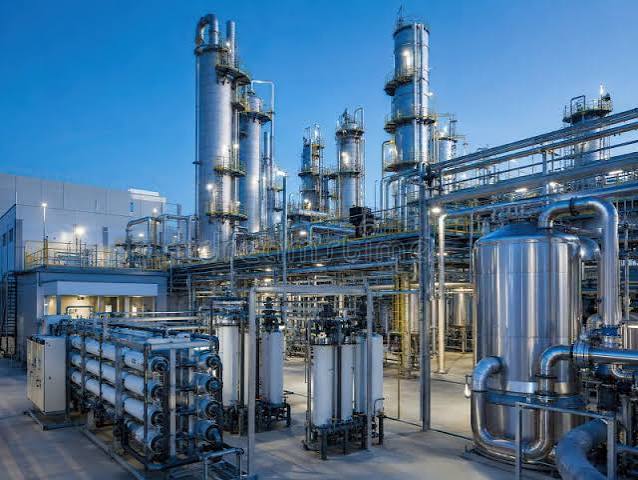
Avantium's production route is based on its YXY technology, which catalytically converts plant-based sugars into FDCA. The commercial plant in Delfzijl represents the company's move from demonstrated technology toward industrial-scale production.
The process involves several stages, including sugar dehydration, oxidation and purification. Avantium's 2025 annual report states that the Delfzijl facility is designed for annual FDCA production of up to 5 kilotonnes, with high-fructose syrup derived from wheat identified as the current main feedstock.
The use of renewable feedstock gives FDCA a different positioning from conventional petrochemical building blocks. For buyers, however, the commercial value will ultimately depend on consistent quality, reliable supply, competitive economics and compatibility with downstream manufacturing processes.
What Product Qualification Means for Procurement Teams
The first production batch does not represent the end of the commercialisation process. Avantium is moving into product qualification, which is designed to ensure that FDCA meets customer specifications before broader commercial deliveries begin.
This stage matters because downstream manufacturers need materials that perform consistently within their own processes. A procurement team evaluating FDCA should therefore look beyond the headline production milestone and examine practical purchasing requirements.
Key areas to assess include:
Product specifications: Buyers should establish the required purity and other technical parameters for their intended polymer or chemical application.
Qualification requirements: New material suppliers may require technical trials, sample testing and internal approval before routine purchasing begins.
Supply continuity: Procurement teams should understand expected production ramp-up, available volumes and delivery schedules.
Commercial terms: Pricing, contract structures, minimum order quantities and logistics will become increasingly important as commercial sales begin.
Downstream compatibility: Manufacturers need to confirm that FDCA integrates effectively with their existing polymerisation and processing systems.
These considerations will help buyers distinguish between an emerging material opportunity and a procurement-ready supply relationship.
Where FDCA Could Create New Chemical Demand
FDCA's strongest immediate connection is with PEF, a plant-based polymer developed for applications where performance and renewable feedstocks both matter. Avantium describes FDCA as the key building block for PEF and highlights opportunities across packaging, films and other material applications.
The potential market extends beyond one polymer. FDCA can also support the development of other furan-based materials, including polyesters, copolyesters, polyamides, polyurethanes and coating resins.
This creates several potential demand channels:
Packaging materials: PEF can target packaging applications that require strong barrier properties and lightweight material performance.
Films: FDCA-based polymers can support development work in flexible and specialty film applications.
Textiles: PEF and related materials may create opportunities for new polymer formulations in fibre applications.
Specialty polymers: FDCA's chemical structure provides a platform for exploring additional polymer and resin systems.
The speed of adoption across these applications will influence future FDCA demand and determine how quickly the market develops beyond early commercial customers.
What the Netherlands Plant Changes for Global Trade
The Delfzijl facility represents a new potential node in the international supply chain for renewable polymer building blocks. Avantium describes it as the world's first commercial-scale FDCA plant, giving the Netherlands a prominent position in the emerging FDCA market.
For international buyers, the development introduces another factor into sourcing decisions. European production could become particularly relevant for companies seeking regional supply of renewable chemical inputs or looking to reduce dependence on conventional feedstock routes.
Exporters and distributors will also need to monitor how commercial volumes develop. Early supply may remain closely connected to qualification programs and existing offtake relationships before wider spot-market availability becomes significant.
That means traders should focus on market access and supplier relationships as much as headline production capacity. Understanding which grades, quantities and commercial arrangements become available will be essential as the plant moves toward regular operations.
Sustainability Gives FDCA a Different Market Position
The strongest strategic attraction of FDCA comes from its renewable carbon pathway. Avantium's YXY technology uses plant-based sugars as the starting point for FDCA production, creating a route toward plant-based PEF.
This positioning aligns with growing interest in chemical materials that can reduce reliance on fossil carbon. It also gives polymer producers another option when responding to customer demand for renewable and circular material solutions.
However, sustainability alone will not determine commercial success. Buyers still need predictable quality, sufficient volumes, competitive economics and reliable logistics.
The ability to combine these commercial requirements with renewable feedstock credentials will determine how effectively FDCA moves from an emerging specialty chemical into a broader industrial feedstock.
What Procurement Teams Should Watch Through 2027
The next stage of the FDCA market will depend heavily on the performance of the Delfzijl plant during its ramp-up and qualification period. Avantium has stated that additional FDCA production and qualification activities are underway ahead of anticipated commercial deliveries toward the end of 2026.
Procurement teams should track several signals as the market develops:
Commercial delivery timing: The transition from initial batches to regular shipments will show how quickly the new supply chain becomes operational.
Available volumes: Actual market availability will determine whether FDCA can support larger procurement programs.
Customer qualification: Broader customer approvals would indicate stronger downstream acceptance.
PEF adoption: Growth in PEF production will directly influence demand for FDCA.
Alternative production routes: Additional technology and licensing developments could increase future global supply.
Pricing competitiveness: The relationship between renewable FDCA pricing and conventional polymer feedstocks will remain central to purchasing decisions.
Avantium is also pursuing licensing opportunities around its YXY technology, which could eventually expand FDCA and PEF production beyond the Netherlands.
The Next Procurement Opportunity in Renewable Chemicals
The first FDCA batch from Delfzijl marks a shift from demonstration toward commercial chemical production. For the market, the key question is no longer simply whether FDCA can be produced at industrial scale, but how quickly supply, qualification and downstream demand can develop together.
Chemical buyers should therefore begin treating FDCA as an emerging procurement category rather than only a research-stage material. Companies involved in sustainable packaging, polymers, films and specialty materials can benefit from early supplier engagement and technical evaluation as commercial availability expands.
For traders and distributors, the opportunity lies in understanding specifications, end-use demand and regional supply requirements before the market becomes more established. Early knowledge of customer qualification needs and supply routes can help businesses respond as renewable polymer demand develops.
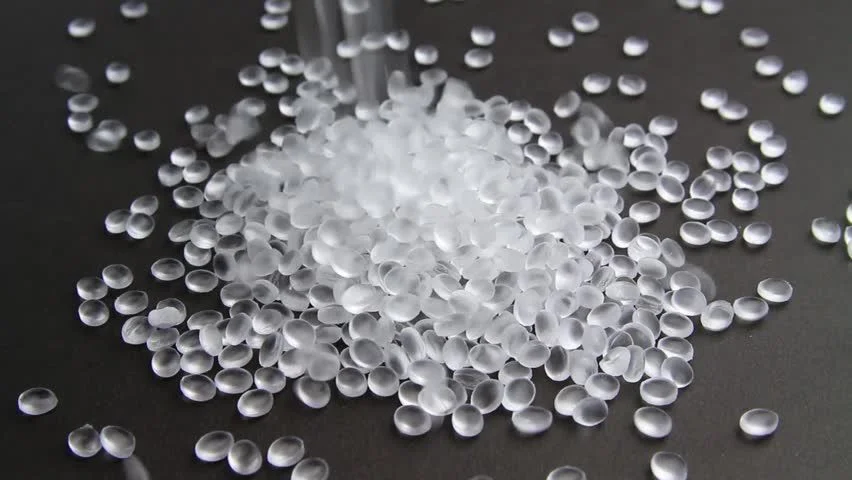
Polyethylene Terephthalate (PET)
Found this useful?