Five-Country Fertilizer Concentration Puts Outsized Weight on China's Trade Decisions
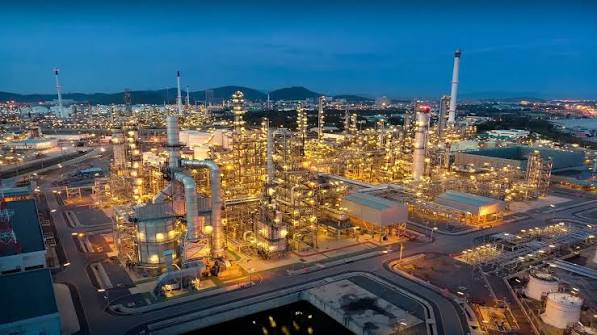
Global fertilizer trade remains heavily concentrated among five major suppliers—China, Russia, Morocco, Saudi Arabia, and the United States. Together, these countries account for a significant share of global phosphate and nitrogen fertilizer production and exports. As a result, policy decisions made by any one of these suppliers, particularly China, can have an immediate impact on international fertilizer markets.
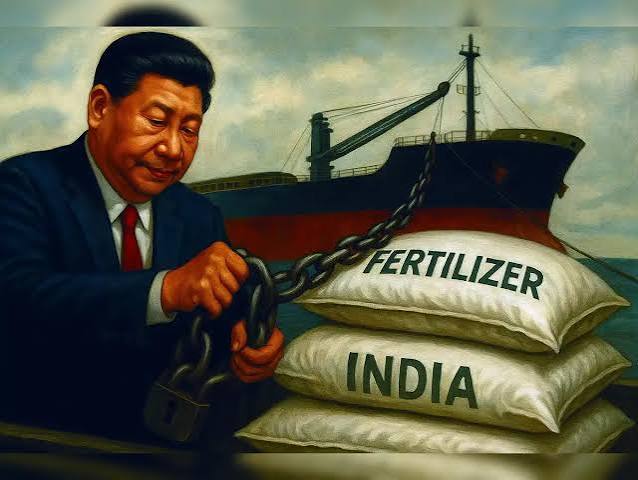
China's recent decision to temporarily halt phosphate exports, following earlier restrictions on urea shipments, demonstrates how export policy can influence global pricing, product availability, and procurement strategies. For fertilizer producers, distributors, and agricultural buyers, this concentration of supply highlights the importance of supplier diversification and proactive risk management.
Why Fertilizer Supply Concentration Matters
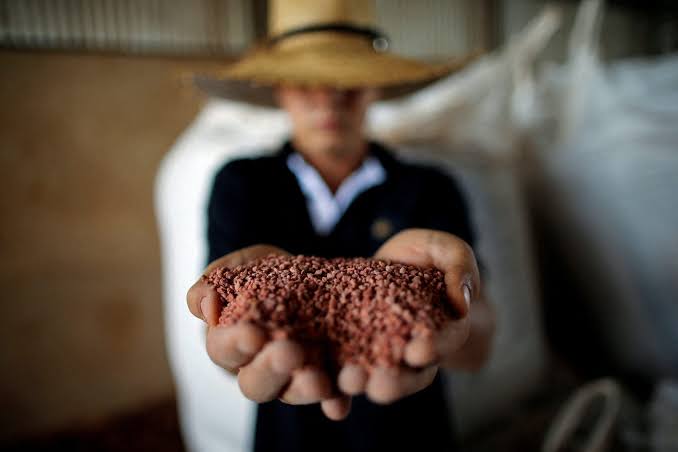
A limited number of exporting countries dominate the global supply of essential fertilizer products used in agriculture and food production.
Key products affected include:
Urea
Urea (Granular) - Egypt
Ammonia
Phosphoric Acid
Phosphate Rock
Mono Ammonium Phosphate (MAP)
Di-Ammonium Phosphate (DAP)
When one major exporter adjusts its trade policy or export schedule, global buyers can experience tighter supply, longer lead times, and increased price volatility.
Market Implications
The concentration of fertilizer production could contribute to:
Greater sensitivity to export policy changes
Increased fertilizer price volatility
Supply shortages in import-dependent markets
Higher procurement costs
Increased demand for alternative suppliers
Stronger focus on regional production capacity
Markets with diversified supplier networks are generally better positioned to absorb temporary disruptions.
Procurement Considerations
Procurement professionals should strengthen sourcing strategies by:
Diversifying supplier portfolios
Expanding multi-country sourcing
Securing long-term supply agreements
Building strategic inventory buffers
Monitoring government trade policies
Tracking global fertilizer market developments
Reducing dependence on a single supplier or region can improve supply chain resilience during periods of market uncertainty.
Looking Ahead
As fertilizer production remains concentrated among a small group of exporting nations, trade policy decisions will continue to play a major role in shaping global supply and pricing. China's recent export restrictions reinforce the importance of monitoring policy developments alongside production trends and logistics conditions.
For buyers, a balanced procurement strategy that combines diversified sourcing, long-term supplier relationships, and continuous market intelligence will be essential to managing future supply chain risks.
Key Takeaways
Global fertilizer exports remain concentrated among five major producing countries.
China's export decisions have a significant influence on global fertilizer markets.
Supply concentration increases exposure to policy-driven disruptions.
Procurement teams should diversify suppliers and strengthen risk management.
Long-term sourcing strategies improve resilience against market volatility.
Found this useful?