Food-Grade Desiccants: Moisture Control in Packaged Food Products
Moisture can quickly reduce the quality of packaged food products, causing crackers to soften, powders to clump and sensitive ingredients to lose their desired characteristics. Food-grade desiccants help control excess moisture inside suitable packaging, supporting product quality during storage, handling and transportation.
For food manufacturers, importers and procurement managers, selecting the right desiccant involves evaluating moisture absorption capacity, packaging compatibility, safety requirements and supplier reliability. The correct choice can help minimise moisture-related losses and maintain consistent product quality across the supply chain.
Understanding the different desiccant materials, their applications and purchasing requirements helps businesses make informed sourcing decisions and select moisture-control solutions suited to their products.
What Are Food-Grade Desiccants and How Do They Work?
Food-grade desiccants are moisture-control materials designed for use in food packaging applications under specified safety and handling conditions. They capture water vapour from the surrounding environment, helping maintain appropriate humidity levels inside a package or shipping unit.
Unlike conventional preservatives, desiccants primarily manage moisture rather than directly preventing microbial growth. Their performance depends on the material, package design, environmental conditions and the amount of moisture entering the packaging system.
Adsorption and Absorption Mechanisms
Desiccants control moisture through two main mechanisms:
Adsorption: The material attracts and holds water molecules on its surface. Silica gel is a common example because its porous structure provides a large surface area for capturing moisture.
Absorption: The material takes moisture into its structure or incorporates it into a liquid phase. Calcium chloride can absorb substantial moisture under suitable conditions.
These mechanisms provide different performance characteristics. Buyers should compare moisture uptake at relevant humidity levels instead of relying solely on general product descriptions.
Why Moisture Control Matters
Excess moisture can affect food texture, appearance, flowability and storage stability. A suitable desiccant can help limit these effects when manufacturers combine it with appropriate packaging materials and reliable sealing.
However, the desiccant must remain safely contained and compatible with the intended application. A food-grade designation alone does not establish suitability for every food product or packaging system.
Common Types of Desiccants Used in Food Packaging
Different desiccant materials provide different moisture-control capabilities. Selecting the right option depends on the food product, storage conditions and required shelf life.
Silica Gel
Silica gel is a porous form of silicon dioxide that adsorbs water vapour onto its internal surface. Manufacturers commonly use silica gel sachets to protect moisture-sensitive products during storage and distribution.
Its performance depends on particle characteristics, humidity conditions and the quantity used. Buyers should verify the product grade, packaging specifications and suitability for the intended application.
Molecular Sieves
Molecular sieves contain porous crystalline materials with defined pore structures. They can provide strong moisture adsorption at low humidity, making them useful for applications that require precise moisture control.
Procurement teams should evaluate the specific grade, adsorption characteristics and applicable food-contact requirements before purchasing.
Clay-Based Desiccants
Clay-based desiccants use natural or processed mineral materials to capture moisture. Their performance varies according to mineral composition, processing methods and surrounding humidity.
These materials may offer a practical option for certain packaging applications when suppliers demonstrate consistent quality and suitable absorption performance.
Calcium Chloride
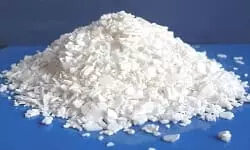
Calcium chloride attracts and absorbs moisture under suitable environmental conditions. Its moisture uptake can be substantial, but the material may form brine as it absorbs water.
This behaviour makes containment especially important. Buyers should confirm that the packaging system prevents leakage and remains compatible with the food package and surrounding materials.
Applications of Food-Grade Desiccants Across the Food Industry
Food-grade desiccants support moisture management across several food categories. They offer particular value when moisture can compromise product texture, handling or storage performance.
Dry Snacks and Bakery Products
Biscuits, crackers and other crispy snacks can lose their characteristic texture when they absorb moisture. Suitable desiccants may help preserve crispness when the packaging also provides an effective moisture barrier.
Powdered Ingredients and Seasonings
Milk powders, seasoning blends, drink mixes and other powdered ingredients may develop lumps or lose flowability under humid conditions. Moisture-control solutions can help maintain handling properties and support consistent manufacturing operations.
Nuts, Dried Fruits and Specialty Foods
Nuts and dried fruits require careful moisture management during storage and distribution. Desiccants may support product quality, although manufacturers must also manage oxidation, microbiological risks and other factors that influence shelf life.
Nutritional Products and Ingredient Shipments
Nutritional powders and specialised ingredients may require controlled humidity throughout transportation. Appropriate desiccant systems can help protect these materials during long-distance shipments, particularly when environmental conditions fluctuate.

How to Select the Right Food-Grade Desiccant
Choosing an appropriate desiccant requires a clear understanding of product sensitivity, packaging characteristics and expected storage conditions. Procurement teams should establish these requirements before comparing supplier quotations.
Evaluate Moisture Sensitivity and Packaging
Start by determining how much moisture the food product can tolerate before its quality deteriorates. Consider the package size, internal air volume, packaging permeability and effectiveness of the seals.
A desiccant cannot compensate for packaging that continuously allows excessive moisture to enter. High-barrier packaging and reliable sealing remain essential parts of the overall moisture-control strategy.
Compare Moisture Absorption Capacity
Request technical data showing moisture uptake under relevant humidity and temperature conditions. Compare products using equivalent test conditions because headline absorption figures may not reflect actual performance in food packaging.
Consider the following factors when reviewing supplier specifications:
Moisture absorption capacity at relevant relative humidity levels.
Recommended dosage for the intended package size.
Sachet strength, sealing quality and containment performance.
Storage requirements before use.
Compatibility with packaging materials and the intended application.
Conduct Packaging Trials
Pilot testing helps determine whether the selected desiccant provides adequate protection throughout the intended storage period. Trials should reflect realistic transportation conditions, including expected humidity, temperature changes and storage duration.
Monitor product characteristics such as texture, appearance, moisture content and flowability. Use the results to adjust the desiccant quantity or packaging design when necessary.
Food Safety and Regulatory Compliance Requirements
Food-grade desiccants must meet applicable safety and regulatory requirements for their intended use. Buyers should examine material composition, containment systems and supplier documentation rather than relying on general marketing claims.
European Union Requirements
Regulation (EC) No 1935/2004 establishes general requirements for materials and articles intended to come into contact with food. Regulation (EC) No 2023/2006 addresses good manufacturing practices for these materials.
Additional requirements may apply depending on the material and whether the application qualifies as active or intelligent food packaging. Buyers should confirm which rules apply to the exact product and intended use.
United States Requirements
In the United States, food-contact substances must have an appropriate regulatory basis for their intended conditions of use. Buyers should verify applicable authorisations and restrictions for the specific material and application.
Regulatory suitability should be established for the actual product supplied rather than assumed from the properties of a similar material.
Essential Supplier Documentation
Before confirming an order, procurement teams should request the following documents:
Technical Data Sheet (TDS): Details material properties, recommended applications and performance specifications.
Safety Data Sheet (SDS): Provides relevant handling, storage and safety information.
Compliance declaration: Identifies applicable requirements and the conditions under which the supplier supports the product's use.
Certificate of Analysis (CoA): Records batch-specific results against agreed quality specifications.
Packaging specifications: Describe sachet materials, sealing integrity and containment characteristics.
Traceability records: Support batch identification and investigation of quality issues.
For international shipments, confirm that documentation meets the requirements of the destination market and the food manufacturer's quality management system.
Pricing, Procurement and Supply Chain Risks
The cost of food-grade desiccants depends on more than the price of the raw material. Desiccant type, absorption performance, sachet design, order volume, documentation and delivery terms all influence purchasing decisions.
Factors That Influence Desiccant Prices
Material availability and manufacturing costs can affect supplier quotations. Custom packaging, specialised grades and additional quality requirements may also increase the final purchase price.
Procurement teams should compare offers against consistent specifications, including absorption capacity, package dimensions, product grade and required documentation. This approach makes it easier to identify genuine cost advantages.
Common Sourcing Challenges
Buyers should pay attention to several potential risks:
Inconsistent quality: Variations between batches may affect moisture-control performance. Clear specifications and batch-level testing help reduce this risk.
Inadequate containment: Weak sachet seals can allow leakage or compromise product protection. Evaluate the packaging system as carefully as the desiccant itself.
Supply interruptions: Extended lead times can disrupt production and packaging schedules. Forecasting demand and qualifying alternative suppliers can improve continuity.
Unclear compliance claims: General statements about food safety may not establish suitability for a particular application. Request documentation linked to the exact product.
Improper storage: Exposure to ambient humidity before use can reduce the available moisture capacity of some desiccants. Follow supplier instructions for storage and handling.
Reliable sourcing combines competitive pricing with consistent product quality, transparent documentation and dependable delivery.
Improving Moisture Control Through Packaging Design
Effective moisture management depends on the entire packaging system, not just the desiccant. Packaging films, seal integrity, headspace and storage conditions influence how much moisture reaches the product.
Match Desiccant Dosage to the Application
An undersized desiccant sachet may become saturated before the end of the intended shelf life. An oversized sachet can increase costs without providing meaningful additional protection.
Manufacturers should determine the required quantity using product sensitivity, package characteristics, expected humidity and performance testing.
Establish Quality-Control Procedures
Packaging teams should follow consistent procedures for sachet placement, package sealing and storage. They should also inspect sachets for damage and ensure that desiccants remain contained throughout handling and distribution.
Periodic performance reviews can identify opportunities to improve packaging efficiency, reduce waste and maintain product quality.
What Procurement Teams Should Prioritise When Buying Desiccants
Successful desiccant procurement begins with clearly defined technical requirements and a reliable supply partner. Buyers should evaluate performance, safety documentation, packaging compatibility and delivery reliability together.
Essential Purchasing Checklist
Before placing an order, procurement teams should:
Define the target humidity conditions and required protection period.
Specify the desiccant type, quantity and moisture absorption performance.
Verify applicable regulatory requirements for the destination market.
Request samples and conduct packaging trials where necessary.
Compare supplier quotations using equivalent specifications.
Confirm batch traceability, storage instructions and delivery schedules.
For importers and distributors, maintaining relationships with qualified suppliers can improve sourcing flexibility and reduce the risk of supply interruptions. Food manufacturers can strengthen results by coordinating procurement decisions with packaging engineering and quality assurance teams.
The most suitable desiccant is one that meets the application's moisture-control requirements, works with the packaging system and comes with appropriate technical documentation.
Calcium Chloride (E509)
Found this useful?