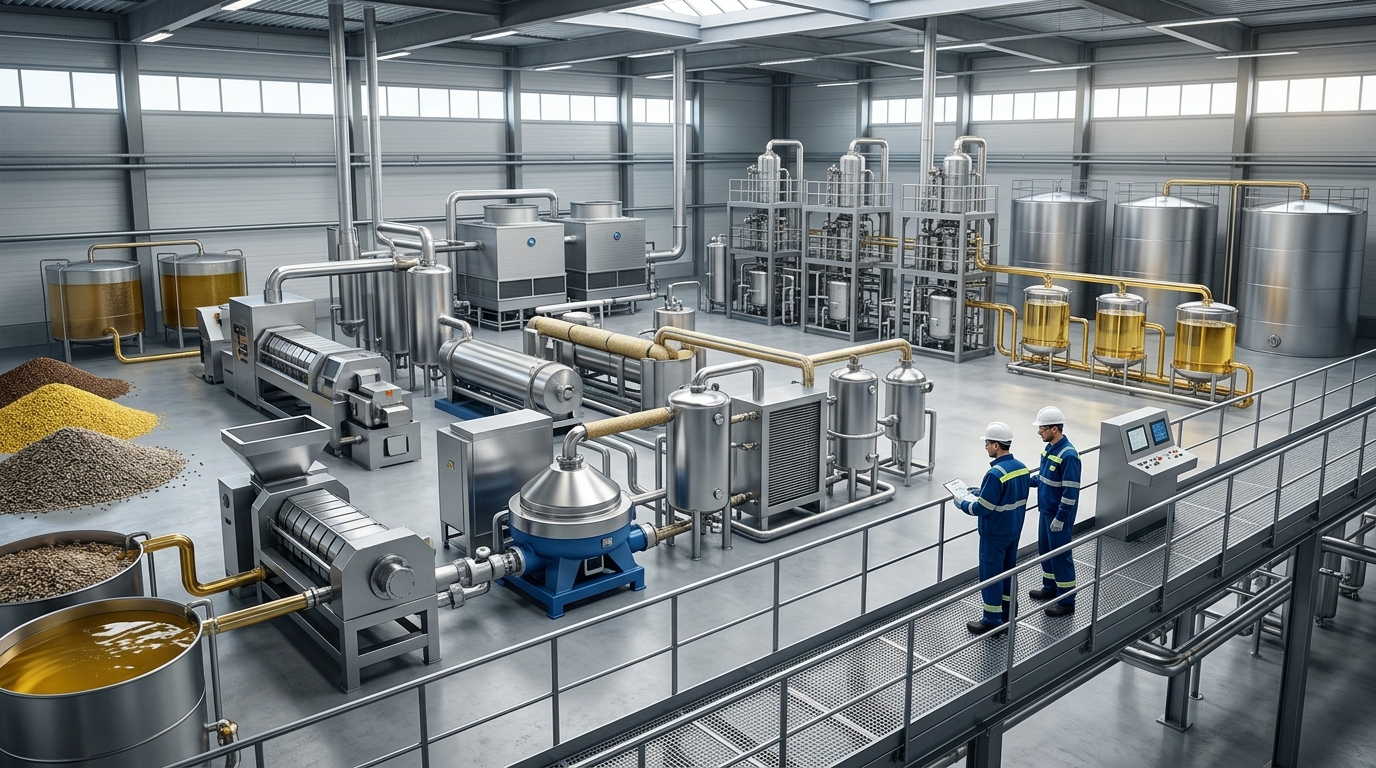
Food-Grade vs. Industrial-Grade Chemicals: Differences Every Buyer Should Know
Chemical buyers can encounter two products with identical chemical names but very different quality specifications, intended uses and regulatory requirements. The distinction between food-grade and industrial-grade chemicals plays a critical role in procurement, particularly for businesses operating across food processing, pharmaceuticals, manufacturing and chemical distribution.
Although both grades may contain the same primary chemical compound, their impurity limits, production environments, testing procedures and handling requirements can vary considerably. Selecting the wrong grade can introduce contamination risks, create compliance problems and affect the quality of finished products. For importers, exporters and procurement managers, understanding these differences helps prevent costly sourcing mistakes and ensures that every chemical meets its intended application requirements.
What Are Food-Grade and Industrial-Grade Chemicals?
Food-grade chemicals meet specific purity and safety requirements for applications involving food production, processing, preservation or handling. Manufacturers formulate and process these chemicals to comply with applicable food safety regulations and established identity and purity specifications.
Common examples include food-grade sodium bicarbonate, citric acid, sodium benzoate and calcium carbonate. Depending on the substance, these chemicals may function as acidity regulators, preservatives, raising agents or processing ingredients.
Industrial-grade chemicals serve manufacturing and technical applications where the required specifications depend on process performance rather than suitability for food use. Industries purchase these materials for applications such as metal treatment, cleaning, water treatment, construction and chemical manufacturing.
For example, sodium bicarbonate can serve as a food ingredient or as an industrial material for cleaning and other technical processes. The chemical identity remains the same, but the specifications and manufacturing controls determine whether a particular supply is suitable for a given application.
Purity and Impurity Limits: The Most Important Difference
Purity represents one of the most significant differences between food-grade and industrial-grade chemicals. However, buyers should understand that a higher stated purity percentage does not automatically make a chemical suitable for food applications.
Food-grade specifications address the overall quality of a substance, including its identity, permitted impurities and potential contaminants. Depending on the chemical, these requirements may cover heavy metals, residual solvents, microbial contamination and other unwanted substances.
Industrial-grade specifications generally focus on the chemical properties that influence performance in a particular manufacturing process. A buyer purchasing a chemical for metal treatment, for example, may prioritize concentration, reaction efficiency and physical characteristics.
Consider these important differences:
Heavy metal limits: Food-grade chemicals may require strict limits for lead, arsenic, mercury and cadmium because these contaminants can create risks when they enter the food chain.
Residual impurities: Food-grade materials must meet relevant specifications for unwanted substances originating from raw materials or manufacturing processes.
Chemical composition: Industrial buyers may prioritize concentration and functional performance, while food manufacturers must also evaluate compliance with food-related purity requirements.
Microbiological quality: Certain food-grade ingredients require additional controls to prevent microbial contamination during production, packaging and storage.
The correct purchasing decision therefore depends on the complete specification rather than one headline purity figure.
Manufacturing Standards and Quality Control Requirements
Food-grade chemical production requires additional attention to hygiene, contamination prevention and traceability. Manufacturers must establish suitable production and handling controls to protect product integrity throughout manufacturing, packaging, storage and transportation.
Good Manufacturing Practices (GMP) play an important role in this process. They help manufacturers maintain consistent quality, prevent contamination and ensure that the chemical retains its required characteristics before reaching the customer.
Industrial-grade chemical manufacturers also implement quality management systems, but their controls typically reflect the technical risks and requirements of their intended applications. A material designed for industrial cleaning may require strong concentration control and consistent performance without meeting the specifications necessary for direct food-related use.
Quality assurance procedures can include:
Raw material inspection and supplier qualification.
Batch testing against established product specifications.
Contamination prevention during manufacturing and packaging.
Equipment cleaning and process monitoring.
Proper storage conditions and transportation controls.
Batch identification and documentation for traceability.
These procedures help buyers distinguish between suppliers that simply offer a chemical product and those that maintain reliable quality systems.
Regulatory Compliance and Certification Across Markets
Food-grade chemical procurement involves regulatory requirements that extend beyond the chemical's physical composition. Authorities regulate which substances businesses can use in food, the conditions under which they can use them and the specifications those substances must satisfy.
The US Food and Drug Administration (FDA) provides requirements and guidance for food ingredients and additives. Depending on the substance and its intended application, buyers must consider its regulatory status, identity, purity specifications and permitted conditions of use.
International buyers also refer to standards developed by the Codex Alimentarius Commission, established by the Food and Agriculture Organization (FAO) and the World Health Organization (WHO). Its General Standard for Food Additives outlines permitted uses of additives across different food categories.

For international trade, requirements can differ between importing countries. A product accepted under one country's regulatory framework may require additional documentation, testing or authorization before another market allows its use.
Buyers should check the following documents when evaluating food-grade chemical suppliers:
Certificate of Analysis (COA): Provides batch-specific test results, including purity, chemical composition and relevant impurity levels.
Safety Data Sheet (SDS): Explains chemical hazards, handling precautions, storage requirements and emergency procedures.
Food-grade compliance documentation: Identifies applicable food-related specifications and confirms the product's suitability for its declared application.
Manufacturing certifications: Documents such as ISO 22000 or other relevant food safety management certifications can demonstrate that a supplier maintains structured quality controls.
Origin and traceability documents: Help buyers identify the manufacturing source, production batch and supply chain history.
A certificate or management system alone does not automatically authorize a chemical for every food application. Procurement teams must verify the actual substance, applicable regulatory approval and intended conditions of use.
Where Food-Grade and Industrial-Grade Chemicals Are Used
Different industries purchase chemical grades according to their production requirements. Understanding these applications helps procurement teams identify the correct product before requesting quotations.
Food-grade chemicals commonly serve:
Food and beverage manufacturing: Citric acid regulates acidity, sodium bicarbonate supports baking applications and sodium benzoate helps preserve certain products.
Dairy processing: Selected food-grade acids, stabilizers and processing ingredients support product consistency and manufacturing operations.
Pharmaceutical and nutraceutical production: Suitable chemical ingredients support the manufacture of products that must meet relevant purity and regulatory requirements.
Food preservation: Approved preservatives and acidity regulators help manufacturers maintain product quality and shelf life.
Animal feed production: Certain approved chemical ingredients and mineral compounds contribute to nutritional formulations.
Industrial-grade chemicals commonly serve:
Textile manufacturing: Chemicals support bleaching, dyeing, finishing and fabric treatment.
Water treatment: Industrial chemicals help control pH, remove impurities and manage water quality.
Metal processing: Acids, alkalis and specialty compounds support surface preparation, cleaning and metal treatment.
Construction: Chemical materials contribute to cement production, coatings, adhesives and other construction products.
Detergent manufacturing: Surfactants, builders and alkaline compounds support cleaning formulations.
Some chemicals serve both food-related and industrial markets. However, their suitability depends on the grade, specification and permitted application, not simply their chemical name.
Why Chemical Buyers Must Not Substitute One Grade for Another
Choosing an industrial-grade chemical for a food-related application can create serious quality and compliance problems. Even when the product looks identical and has a similar assay result, its impurity profile or manufacturing history may not meet food safety requirements.
The reverse substitution also deserves attention. Purchasing food-grade chemicals for applications that only require industrial specifications may increase procurement costs without delivering additional operational benefits.
Consider three common purchasing situations:
1. A food manufacturer purchasing sodium bicarbonate
A bakery needs sodium bicarbonate for a food formulation. The procurement team should request a suitable food-grade product with documented purity specifications and supporting batch documentation rather than selecting a cheaper industrial alternative.
2. A water treatment company purchasing citric acid
A water treatment operation may use industrial-grade citric acid for descaling and process cleaning. If the application does not involve food production or another regulated use, an appropriate industrial specification may provide the required performance at a more competitive cost.
3. A chemical distributor importing calcium carbonate
A distributor serving multiple customer segments may need both food-grade and industrial-grade calcium carbonate. Maintaining separate product specifications, batch records and inventory identification helps prevent accidental substitution during storage and distribution.
The key purchasing principle is simple: match the chemical grade to the final application before comparing prices.
Pricing, Availability and Global Sourcing Considerations
Food-grade chemicals often carry higher procurement costs because suppliers must meet additional requirements involving purity, testing, manufacturing controls and documentation. These requirements can influence production expenses, quality assurance costs, packaging decisions and transportation arrangements.
Industrial-grade chemicals may offer more economical options for large-scale technical applications, particularly when buyers require substantial volumes and the intended use does not demand food-related specifications.
Several factors influence international purchasing decisions:
Raw material availability: Changes in feedstock supply and production capacity can affect prices across both chemical grades.
Manufacturing capabilities: Suppliers with suitable production facilities and quality management systems may command higher prices for specialized food-grade products.
Testing requirements: Additional analytical testing and batch verification can increase the cost of food-grade materials.
Packaging and logistics: Food-grade products may require protective packaging and more controlled handling to maintain product integrity.
Import regulations: Customs requirements, product registrations and documentation obligations can influence landed costs and delivery schedules.
Supplier reliability: Consistent specifications, dependable delivery schedules and transparent documentation help reduce procurement risks.
International buyers should compare quotations using the same product grade, specification, packaging type and delivery terms. Comparing a food-grade offer against an industrial-grade quotation can produce misleading cost savings.
How Procurement Teams Can Verify Chemical Grade Before Ordering
A structured supplier verification process helps businesses avoid incorrect purchases and protect their supply chains. Buyers should establish clear technical requirements before approaching manufacturers, exporters or distributors.
The following steps provide a practical starting point:
1. Define the intended application. Identify whether the chemical will enter food, contact food during processing or serve an entirely industrial purpose. This distinction determines the specifications and regulatory requirements that apply.
2. Request detailed technical specifications. Review purity, assay, moisture content, impurity limits, particle size and other relevant parameters. Make sure the specifications match the intended application rather than relying on a general product description.
3. Review batch-specific documentation. Request a current COA and compare its results against the agreed specification. Check whether the supplier can provide additional test reports when the application requires them.
4. Verify the manufacturing source. Identify whether the supplier manufactures the product directly or sources it from another producer. Establishing the origin improves traceability and helps buyers assess supply chain reliability.
5. Confirm packaging and storage conditions. Check that the supplier uses suitable packaging and maintains appropriate storage and transportation practices. Damaged packaging or unsuitable storage can compromise even a product that originally met the required specification.
6. Evaluate commercial terms. Compare minimum order quantities, lead times, payment conditions and shipping arrangements. A competitive price only provides value when the supplier can deliver the correct grade consistently.
For distributors and importers, maintaining separate records for food-grade and industrial-grade products is equally important. Clear warehouse identification and purchasing controls reduce the possibility of supplying the wrong material to downstream customers.
Building a More Reliable Chemical Procurement Strategy
The difference between food-grade and industrial-grade chemicals goes beyond purity percentages. It involves manufacturing controls, impurity specifications, regulatory compliance, documentation and the suitability of a chemical for its intended application.
For businesses purchasing chemicals across international markets, supplier selection should consider both technical quality and commercial reliability. A supplier offering competitive prices but inconsistent specifications can create higher costs through rejected shipments, production interruptions and compliance issues.
Procurement managers should prioritize suppliers that can demonstrate:
Consistent product specifications across multiple shipments.
Transparent manufacturing origin and batch traceability.
Complete technical and safety documentation.
Appropriate quality certifications and testing capabilities.
Reliable export arrangements and international logistics support.
Chemical distributors should also maintain clear distinctions between product grades in their purchasing systems. This helps them serve food manufacturers and industrial customers without compromising application requirements.
As global chemical supply chains become increasingly interconnected, buyers need sourcing partners who understand the technical and regulatory expectations of different markets. Making grade verification part of the purchasing process helps businesses protect product quality, manage risks and build stronger supplier relationships.
Ready to source Sodium Bicarbonate Food Grade from verified global suppliers? Explore competitive offers on our platform today.
Sources:
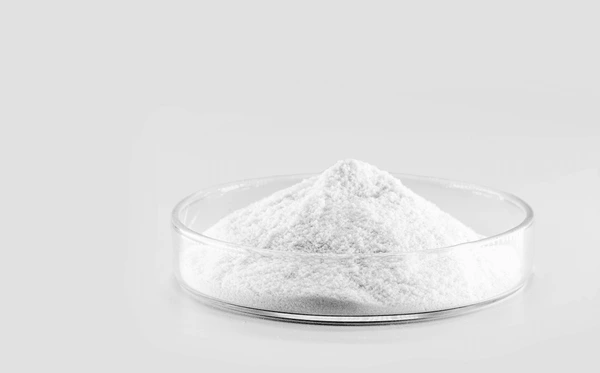
Sodium Bicarbonate Food Grade (E500(ii))
Found this useful?