The global petrochemical industry is entering a new phase. What began as an acute disruption linked to the Strait of Hormuz is increasingly being viewed as a structural transformation that could influence sourcing decisions for years to come. Rather than preparing only for the next supply interruption, chemical companies are redesigning procurement strategies around long-term resilience.
This shift reflects a broader change in market thinking. Supply chain resilience, geographic diversification and operational flexibility are no longer temporary responses to geopolitical events. They are becoming permanent elements of procurement and investment planning.
Why the Industry Is Moving Beyond Crisis Management
Early in the Hormuz disruption, most companies focused on immediate operational priorities such as maintaining inventories, securing freight capacity and communicating with suppliers.
As the situation evolved, businesses began recognising that repeated geopolitical disruptions could become a recurring feature of global trade. This has encouraged organizations to move from short-term crisis management toward permanent structural changes.
Instead of asking how to recover from one disruption, procurement leaders are asking how to build supply chains that remain competitive during future disruptions.
Sourcing Strategies Are Being Redesigned
One of the most significant changes is the way procurement teams evaluate suppliers.
Traditional sourcing often prioritised cost and delivery performance. Today's purchasing decisions increasingly include broader risk factors such as:
Geographic concentration of production.
Exposure to strategic shipping corridors.
Feedstock security.
Manufacturing flexibility.
Supplier business continuity planning.
These considerations are influencing supplier selection across commodity chemicals, polymers and specialty chemical markets.
Diversification Is Becoming a Core Procurement Strategy
Supplier diversification has evolved from a risk mitigation exercise into a competitive advantage.
Rather than depending heavily on one production region, many organizations now distribute purchasing across multiple manufacturing locations. This approach can reduce operational exposure if geopolitical events, natural disasters or transportation disruptions affect one region.
Diversification strategies may include:
Qualifying suppliers across different continents.
Building relationships with secondary suppliers before disruptions occur.
Increasing regional procurement where commercially practical.
Maintaining strategic inventory for critical raw materials.
Reviewing supplier resilience alongside pricing.
The objective is not to eliminate risk entirely but to reduce dependence on any single source of supply.
Inventory Policies Are Also Changing
For many years, lean inventory management dominated industrial procurement. Recent disruptions have encouraged companies to reconsider whether extremely low inventory levels remain appropriate for strategic raw materials.
Organizations increasingly assess inventory based on product criticality rather than applying a single policy across all materials.
Some companies are maintaining higher inventory levels for feedstocks and intermediates that would be difficult to replace quickly if international supply chains were interrupted.
Digital Visibility Is Supporting Better Decisions
Technology is becoming an important part of supply chain resilience.
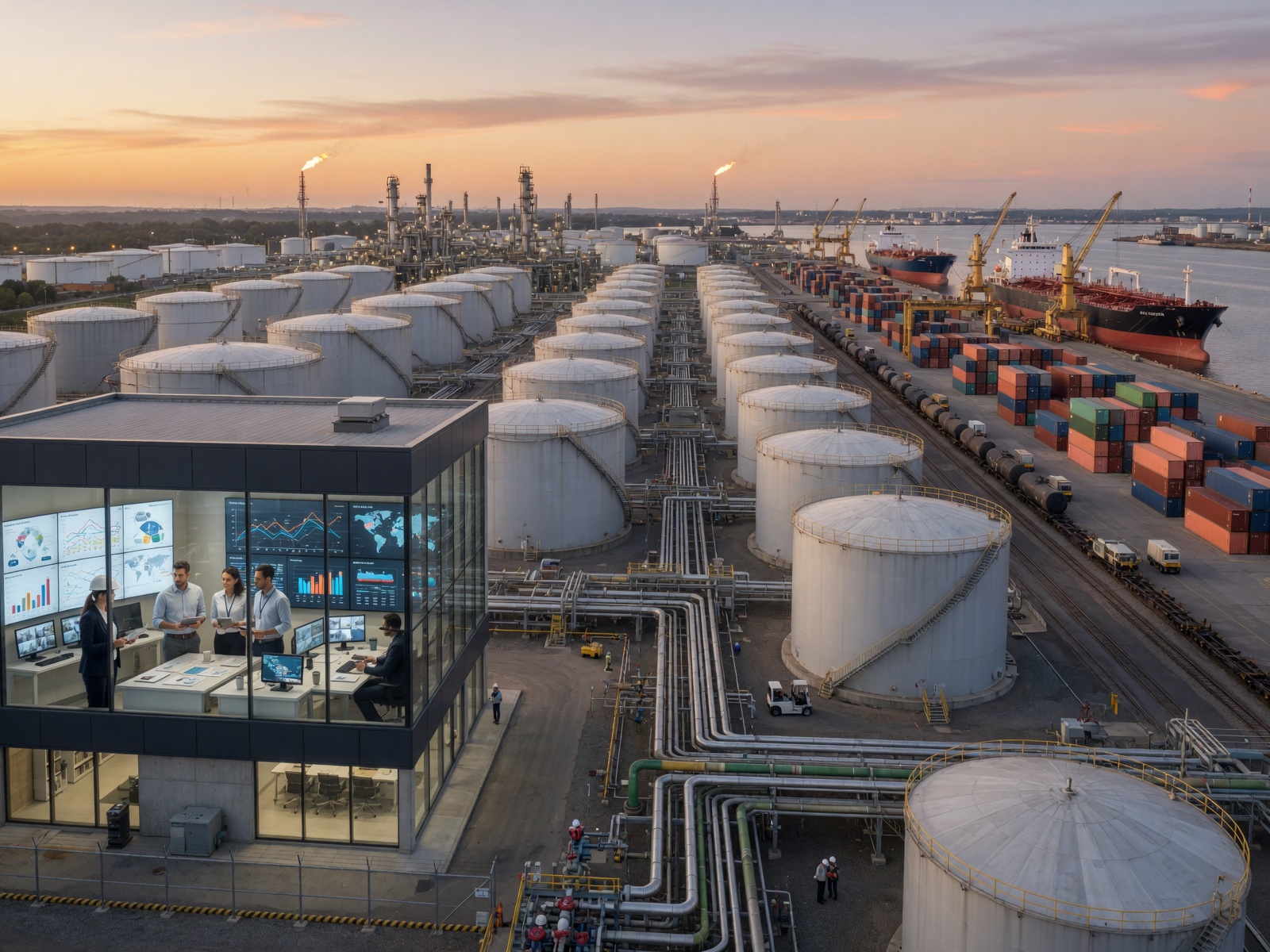
Many chemical companies are investing in systems that provide greater visibility into supplier locations, transportation networks and inventory movement.
These digital capabilities allow procurement teams to:
Monitor supplier performance in real time.
Identify potential disruptions earlier.
Improve demand forecasting.
Coordinate inventory across multiple facilities.
Strengthen communication with logistics providers.
Better visibility enables faster decision making when market conditions change unexpectedly.
Procurement Will Influence Competitive Advantage
As petrochemical markets become more complex, procurement departments are taking on a more strategic role within chemical organizations.
Success increasingly depends on balancing multiple priorities, including:
Companies that integrate these factors into sourcing decisions are likely to build stronger supply chains than organizations focused primarily on purchase price.
What Buyers Should Do Now
The petrochemical industry is moving beyond temporary crisis management into a period of long-term structural adjustment. Procurement strategies that were effective before the Hormuz disruption may no longer provide sufficient resilience in an increasingly uncertain global trading environment.
Chemical buyers should review supplier concentration, strengthen regional diversification, improve supply chain visibility and develop sourcing strategies designed for long-term flexibility rather than short-term recovery. Organizations that adapt to this new operating environment will be better positioned to maintain reliable supply while responding effectively to future market disruptions.
Ready to source petrochemical products from verified global suppliers? Explore competitive offers on our platform today.