Fungal Enzymes Show Promise for Breaking Carbon-Fluorine Bonds in PFAS Molecules
Fungal Enzymes Show Promise for Breaking Carbon-Fluorine Bonds in PFAS Molecules
Introduction
Per- and polyfluoroalkyl substances (PFAS) remain among the most difficult classes of industrial contaminants to destroy because their structures contain exceptionally strong carbon-fluorine (C–F) bonds. This chemical stability gives PFAS their resistance to heat, water, oils and degradation, but also makes conventional environmental treatment challenging.
Against this backdrop, researchers are increasingly investigating biological and enzymatic approaches that could transform or ultimately break down PFAS. Fungal enzymes, particularly oxidative enzymes such as laccases and peroxidases, are attracting attention because fungi naturally produce powerful extracellular enzymes capable of attacking chemically resistant organic compounds. A 2026 review of PFAS biodegradation highlights fungi and enzymes as an emerging area of research, although the field remains at an early stage.
Why the Carbon-Fluorine Bond Is So Difficult to Break
The central challenge in PFAS destruction is the stability of the C–F bond. Fluorine's high electronegativity creates a particularly strong bond with carbon, allowing many PFAS molecules to persist in environmental conditions where other organic contaminants would naturally degrade.
This means that simply removing PFAS from contaminated water is not equivalent to destroying them. Adsorption and filtration can transfer PFAS from water into another concentrated waste stream, while true destruction requires chemical transformation and, ideally, substantial defluorination.
For biological technologies, the challenge is therefore twofold: an enzyme must first interact effectively with the PFAS molecule and then initiate reactions capable of weakening or breaking its fluorinated structure.
The Role of Fungal Enzymes
Fungi are already known for their ability to produce extracellular enzymes that break down complex and persistent organic materials. White-rot and related fungi, for example, produce enzymes including laccases, lignin peroxidases and manganese peroxidases as part of their natural lignin-degradation systems.
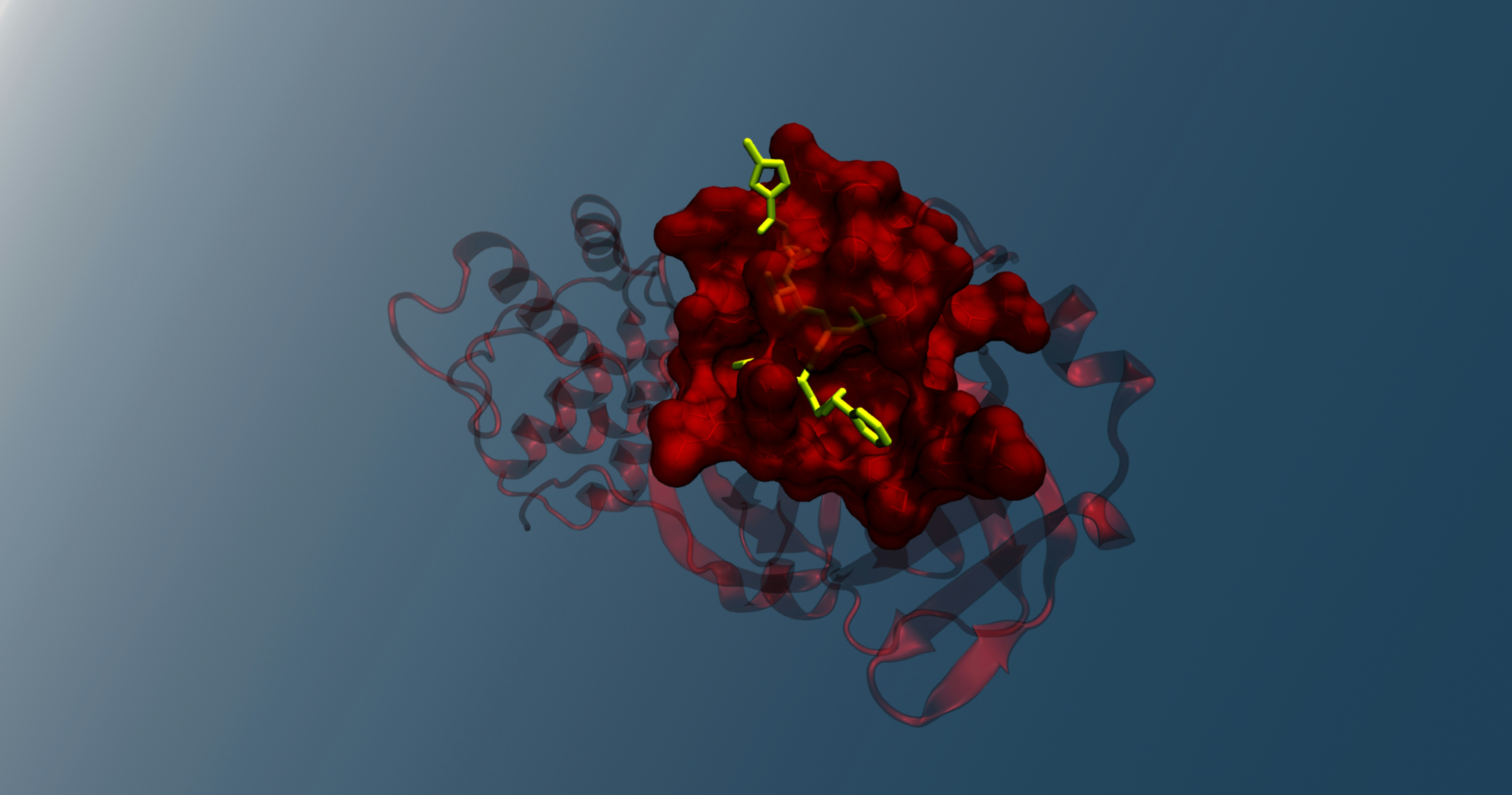
Laccases have received particular attention in PFAS research. These copper-containing oxidoreductases can transfer electrons during oxidation reactions and, with suitable mediator compounds, may generate reactive species capable of attacking otherwise resistant molecules. Research reviews have identified laccase-based systems as a potential route for PFAS degradation and defluorination.
The potential advantage is that enzymes can operate under comparatively mild conditions and may require less energy and fewer harsh chemicals than some conventional destruction technologies. Reviews of extracellular enzymatic PFAS treatment describe enzymes as potentially biodegradable and recyclable catalysts with relatively low energy and chemical requirements.
From PFAS Transformation to Actual Defluorination
One of the most important distinctions in this research is the difference between PFAS removal, transformation and destruction.
A reduction in the measured concentration of a PFAS molecule does not necessarily mean that its fluorinated structure has been eliminated. PFAS may be transformed into shorter-chain compounds or other intermediates that remain environmentally relevant.
Researchers therefore increasingly emphasize evidence such as fluoride release and identification of transformation products when evaluating whether a biological process is genuinely breaking C–F bonds.
Studies of laccase-based systems have reported potential PFAS degradation and defluorination, but the reaction can be relatively slow and native laccases may have insufficient activity to achieve complete defluorination.
There is also an important scientific caution. A study examining laccase and laccase-mediator mixtures found that interactions between the enzyme system and perfluoroalkyl acids could create an apparent transformation signal without demonstrating the proposed oxidation mechanism. This illustrates why future research needs rigorous mass balances, fluoride measurements and transformation-product analysis.
Enzyme Engineering Could Improve Performance
Natural fungal enzymes may not have evolved specifically to destroy modern synthetic PFAS. Their activity, selectivity and stability can therefore be limiting factors.
This is creating interest in enzyme engineering and computational design. Researchers are investigating whether enzyme structures can be modified to improve their ability to interact with fluorinated molecules and promote reactions involving C–F bonds.
The broader enzymatic PFAS field is also examining dehalogenases and other enzyme families. Research into C–F bond-cleaving enzymes has traditionally focused on a relatively small group of naturally occurring microbial enzymes, creating an opportunity to identify and engineer new catalysts with activity against commercially important PFAS structures.
Computational enzyme design could eventually accelerate this process by screening potential mutations or enzyme structures before laboratory testing. This could reduce the time and cost required to identify promising biological catalysts.
Why This Matters for PFAS Remediation
If enzyme-based destruction can be made sufficiently effective, fungal enzymes could eventually become part of treatment systems for contaminated water, industrial wastewater and concentrated PFAS waste streams.
One possible model would involve concentrating PFAS first and then applying an enzymatic treatment step. This could be more practical than attempting to treat extremely dilute PFAS concentrations directly with biological systems.
Enzymes could also potentially be incorporated into hybrid remediation systems, working alongside adsorption, membrane separation, electrochemical treatment or other destruction technologies. Instead of relying on a single treatment method, operators could use different technologies sequentially to concentrate, transform and ultimately destroy PFAS.
Key Challenges Before Commercial Deployment
Despite the promise, fungal enzymes should not yet be considered a proven commercial solution for complete PFAS destruction.
The 2026 literature continues to characterize microbial and enzymatic PFAS treatment as an emerging field with substantial mechanistic and practical uncertainties.
Several challenges remain:
Low reaction rates: Enzymatic PFAS reactions can be substantially slower than conventional catalytic processes.
Incomplete defluorination: Breaking down the parent molecule does not necessarily mean complete removal of fluorine.
PFAS diversity: Thousands of PFAS structures exist, and an enzyme effective against one compound may not work effectively against another.
Transformation products: Shorter-chain PFAS or other fluorinated intermediates must be identified and evaluated.
Enzyme stability: Temperature, pH, salts and contaminants can reduce enzymatic activity.
Mediator requirements: Some oxidative enzyme systems may require additional compounds to initiate useful reactions.
Scale-up: Laboratory performance does not automatically translate into continuous industrial treatment.
Cost: Enzyme production, recovery and replacement must be economically competitive.
Verification: Treatment systems must demonstrate genuine destruction rather than simple transfer or apparent disappearance.
These challenges mean that commercial adoption is likely to depend on improvements in enzyme engineering, reaction efficiency and process integration.
Implications for Environmental Technology Markets
The development of fungal and engineered enzymes could create a new segment within the PFAS remediation market.
Potential commercial opportunities include engineered enzyme suppliers, fungal biotechnology companies, specialized treatment reactors, enzyme immobilization technologies, PFAS monitoring services and hybrid remediation platforms.
For industrial buyers, the evaluation criteria would need to extend beyond headline removal percentages. Procurement teams should examine which PFAS compounds have been tested, whether defluorination has been demonstrated, what transformation products are generated, how long treatment takes and whether the process has been tested in real wastewater rather than laboratory-grade water.
This could also increase demand for analytical services capable of verifying fluoride release, residual PFAS concentrations and transformation products.
Outlook
Fungal enzymes represent a promising but still experimental direction in the effort to address PFAS contamination. Their greatest value may ultimately come from providing a biological component within integrated treatment systems rather than replacing every existing PFAS-remediation technology.
The most important research milestone will be moving from evidence of PFAS transformation toward reliable, measurable and scalable C–F bond cleavage and mineralization. At the same time, enzyme engineering and computational design could expand the range of PFAS structures that biological catalysts can target.
For chemical and environmental technology markets, this emerging research is significant because it could eventually shift part of PFAS remediation from energy-intensive destruction toward more selective biological processing.
Conclusion
Fungal enzymes such as laccases and peroxidases are emerging as interesting candidates for PFAS treatment because of their ability to catalyze powerful oxidation reactions. Early research suggests that some enzyme systems may contribute to PFAS transformation and defluorination, but significant limitations remain around reaction speed, incomplete C–F bond cleavage and proof of complete destruction.
The next phase of development will likely combine fungal biotechnology, enzyme engineering, computational design and advanced analytical monitoring. If researchers can convert promising laboratory mechanisms into stable and economically viable treatment processes, fungal enzymes could become an important component of the future PFAS remediation toolbox.
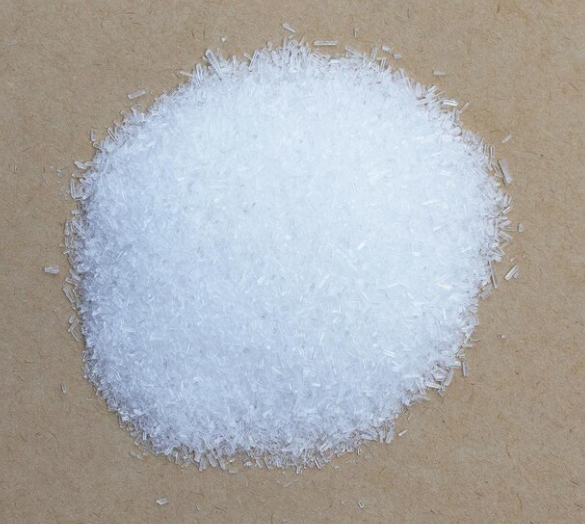
Benzoic Acid (E210)
Found this useful?