US gasoline prices have surged above $4 a gallon for the first time in a month, creating a fresh warning signal for chemical buyers watching energy-linked supply chains. The timing matters because the crisis has intensified just as summer fuel markets tighten, putting additional pressure on refined products and the feedstocks that support petrochemical production.
Gasoline above $4 is not simply a retail fuel story. When refined product markets tighten, the effects can move through refinery operations, naphtha availability, chemical production costs, freight economics and purchasing decisions across multiple industrial sectors.
For chemical traders and procurement teams, the key question is how long the squeeze lasts and whether it spreads from fuels into the broader petrochemical complex.
Why Gasoline Above $4 Matters for Chemical Markets
Gasoline prices provide an important market signal because they reflect several connected forces at once. Crude oil costs matter, but refinery utilization, product inventories, seasonal demand, logistics constraints and regional disruptions can all influence the final price.
The current move above $4 a gallon highlights a market where refined products face rising pressure at a sensitive point in the seasonal cycle. Summer driving demand typically increases competition for refinery output, while tighter operating conditions can make each additional supply disruption more significant.
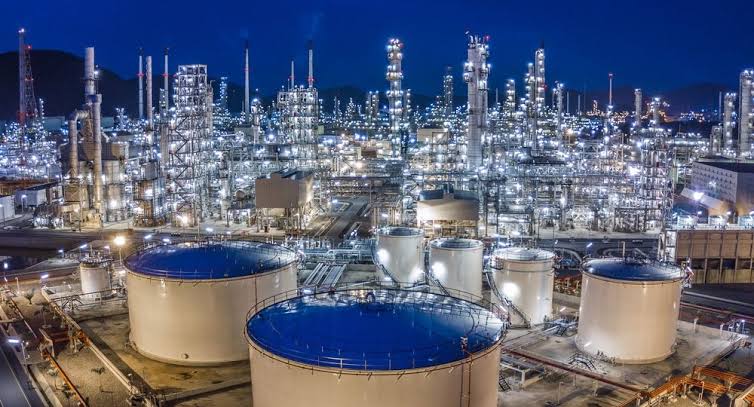
For chemical buyers, the important connection lies between fuel production and petrochemical feedstocks. Refineries and petrochemical plants operate within a closely linked energy system, and stress in one part of the chain can quickly affect costs elsewhere.
The Refinery Connection to Petrochemical Feedstocks
Refineries produce fuels, but their operations also influence the availability and economics of feedstocks used across the chemical industry. Naphtha, light hydrocarbons and other refinery-linked streams support the production of key building blocks for plastics, solvents, coatings and synthetic materials.
When gasoline margins strengthen, refinery economics can shift. Producers may adjust operating priorities based on the relative value of gasoline, diesel, jet fuel and other products, potentially affecting the balance of feedstocks available for downstream chemical production.
This does not mean every rise in gasoline prices immediately creates a shortage of chemical raw materials. The effect depends on refinery configurations, regional supply balances and the degree of integration between refining and petrochemical operations.
Still, the current market creates several procurement risks:
Higher feedstock costs: Stronger competition for refinery-linked streams can raise the cost base for downstream petrochemical production.
Reduced flexibility: Producers may have less room to redirect output between fuels and chemical feedstocks when margins move sharply.
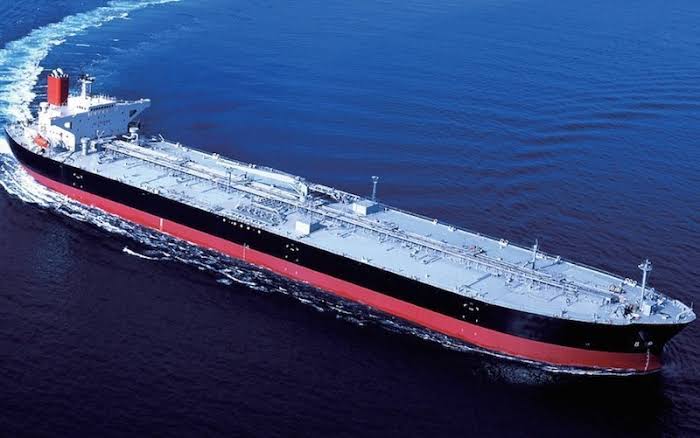
Higher freight exposure: Energy price increases can raise transportation costs for chemical cargoes moving by truck, rail or vessel.
Greater regional price differences: Tight supply in one market can create stronger premiums even when global availability remains adequate.
Summer Fuel Demand Adds Pressure to the Market
The timing of the price move is central to understanding the risk. Summer fuel markets often create stronger demand for gasoline, and that seasonal increase can amplify the impact of disruptions affecting refineries, ports or crude supply.
A market that appears balanced during a lower-demand period can become much tighter when consumption rises. For buyers, this means procurement conditions can change quickly even when long-term supply fundamentals appear stable.
The pressure also extends beyond gasoline itself. Refineries must manage a complex product mix, and changes in the value of one product can influence production decisions across the entire system.
A prolonged period of elevated gasoline prices could therefore increase attention on:
Refinery operating rates and maintenance schedules
Availability of naphtha and other petrochemical feedstocks
Regional inventories of refined products
Crude oil supply routes and shipping costs
Import and export economics for chemical intermediates
How the Refined Product Squeeze Can Reach Chemical Buyers
The transmission from fuel markets to chemical markets usually happens through several cost channels rather than one direct jump. A rise in gasoline prices can affect the broader supply chain through energy costs, feedstock competition and transportation expenses.
The first channel is the cost of producing chemicals. Many industrial chemical processes require significant amounts of energy, while their raw materials may come directly or indirectly from refinery operations.
The second channel involves logistics. Higher fuel costs can raise the expense of moving bulk chemicals from production sites to ports, warehouses and final customers. This matters especially for lower-margin products where freight represents a meaningful share of the delivered price.
The third channel involves buyer behavior. When procurement teams expect further increases, they may bring forward purchases, increase safety stocks or seek alternative origins. Those actions can strengthen demand and create additional pressure in already tight markets.
The biggest risk for buyers often comes from speed. A market can move faster than traditional procurement cycles, especially when supply contracts, shipping schedules and inventory decisions require weeks of planning.
Which Chemical Markets Face the Greatest Exposure?
The impact will not be uniform across all chemical products. Products with strong links to refinery feedstocks or high energy requirements face greater potential exposure than chemicals with more diversified raw material sources.
Petrochemical chains connected to olefins and aromatics may attract particular attention when refinery economics shift. These building blocks support a wide range of downstream products, including polymers, solvents, coatings and intermediates.
Markets with heavy transportation requirements also face additional pressure. Bulk chemicals often travel long distances, so higher freight costs can quickly affect delivered pricing even when the chemical itself remains available at the origin.
Procurement teams should pay close attention to products where several cost pressures appear at the same time:
Feedstock prices are rising.
Producers are entering scheduled maintenance.
Regional inventories are falling.
Freight rates are increasing.
Buyers are competing for limited spot cargoes.
When these factors overlap, replacement costs can rise faster than contract prices.
What Traders and Importers Should Watch Next
The next stage of the market will depend on whether the gasoline price surge remains a short-term seasonal event or develops into a broader refined product squeeze.
Traders should monitor the relationship between retail fuel prices and wholesale market conditions. A sharp retail increase can attract attention, but chemical procurement decisions require a deeper view of refinery margins, feedstock availability and regional trade flows.
Importers should also assess the timing of their purchase requirements. A buyer with a near-term production need may face a different risk profile from a buyer planning inventory several months ahead.
Key indicators include:
Refinery maintenance: Unplanned outages or extended maintenance can reduce available refined products and feedstocks.
Summer demand: Strong consumption can keep pressure on gasoline markets and limit flexibility across refinery output.
Crude supply disruptions: Higher crude costs can add another layer of pressure to refining economics.
Shipping and freight: Fuel price increases can raise the delivered cost of imported chemicals even when supplier quotations remain stable.
Regional arbitrage: Differences between markets can redirect cargoes and change local availability.
Procurement Strategies for a Volatile Refined Product Market
Chemical buyers should avoid relying on a single price signal. Gasoline prices can indicate broader market stress, but procurement decisions should combine energy trends with supplier availability, inventory levels and transportation conditions.
A practical strategy involves reviewing both short-term and medium-term requirements. Buyers with predictable consumption can evaluate whether earlier purchasing offers protection against further cost increases, while buyers with flexible demand may benefit from maintaining purchasing options across multiple origins.
Supplier diversification also becomes more valuable when market conditions tighten. A procurement team that depends on one country, one producer or one shipping route may face greater exposure than a buyer with several qualified supply channels.
The following actions can improve resilience:
Request updated offers from multiple suppliers to understand how quickly replacement costs are moving.
Review alternative origins where product specifications and regulatory requirements allow substitution.
Separate product price from delivered cost by evaluating freight, insurance, port charges and inland transportation.
Track inventory cover so urgent purchases do not become the default procurement strategy.
Maintain supplier communication during periods of rapid market movement to identify allocation or lead-time changes early.
The Petrochemical Outlook Beyond the Pump
The move above $4 a gallon demonstrates how quickly energy market stress can become relevant to chemical buyers. The gasoline market may remain the most visible part of the story, but its wider importance lies in what it reveals about the pressure on the refined product system.
If summer demand remains strong while supply faces disruptions or operational constraints, the squeeze could continue influencing refinery margins and downstream feedstock economics. That environment could create more volatile pricing for chemicals linked to energy-intensive production or refinery-derived raw materials.
The market also reinforces the value of flexible sourcing. Buyers who understand the relationship between fuels, feedstocks, production costs and logistics can react earlier than those who only respond after chemical prices have already moved.
What Buyers Should Do Now
For procurement professionals, the immediate priority should be visibility. Track gasoline and refined product signals alongside chemical supplier offers, freight costs and lead times rather than treating each market as a separate issue.
Buyers should also identify which products in their portfolios carry the highest exposure to energy and refinery-linked costs. This assessment can help teams prioritize alternative suppliers, negotiate supply schedules and protect production continuity.
The current gasoline squeeze may ease, but the underlying lesson remains important. Energy market volatility can reach chemical procurement through several channels at once, and early market intelligence gives buyers more options before costs accelerate.
Ready to source refined products and chemical feedstocks from verified global suppliers? Explore competitive offers on our platform today.