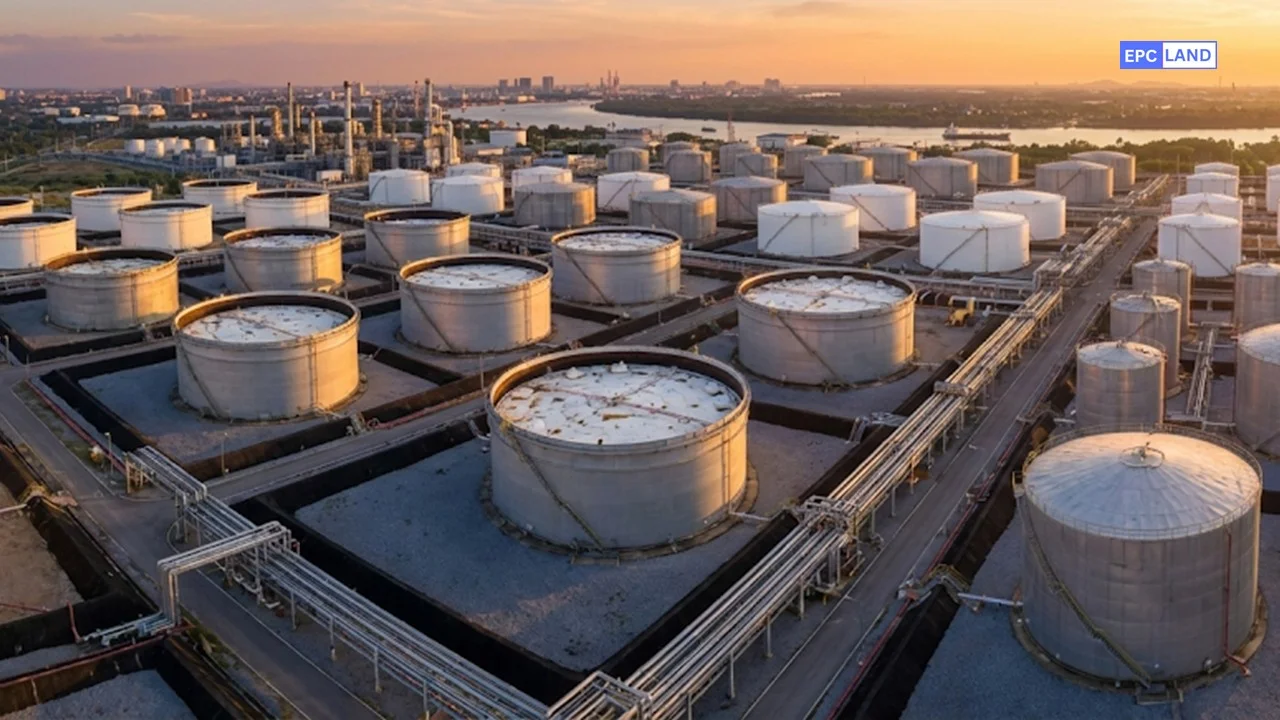
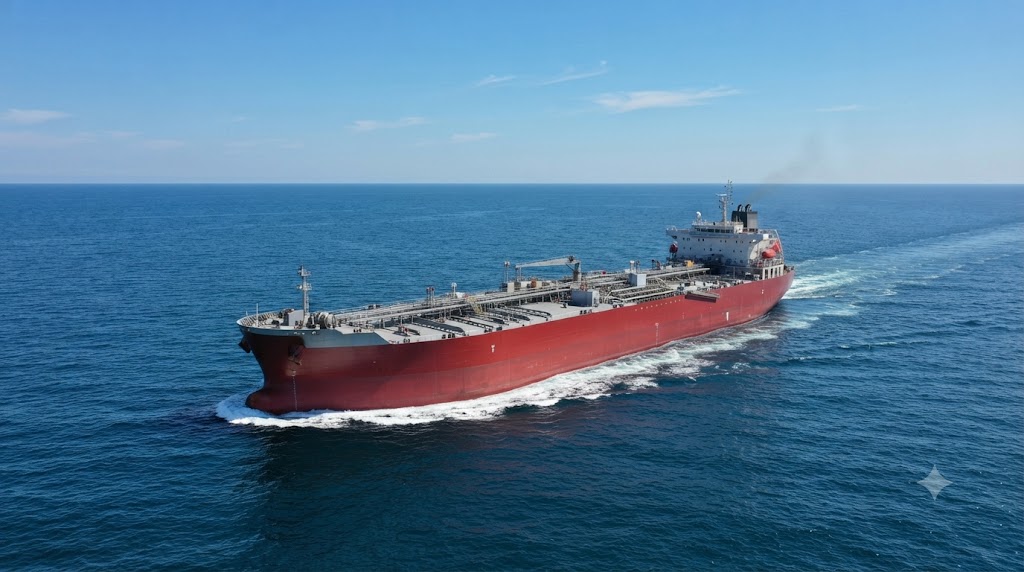
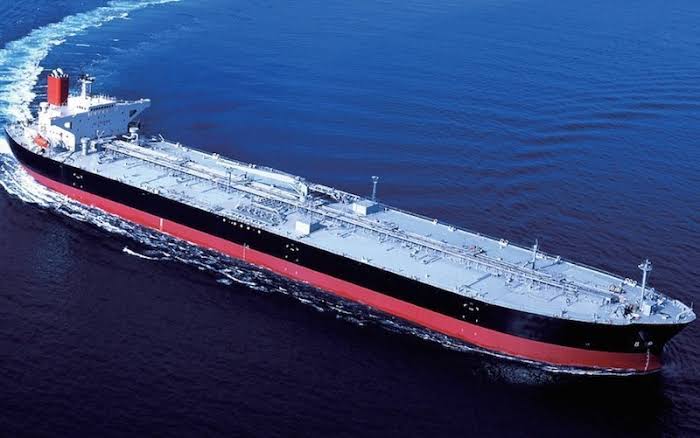
The rise of US gasoline prices above $4 a gallon has once again placed domestic energy policy at the center of economic and political discussion. Higher fuel costs affect far more than motorists. They influence transportation expenses, petrochemical feedstock economics and manufacturing costs across the chemical industry. As policymakers consider possible responses, procurement and compliance professionals should evaluate how future energy decisions could reshape operating conditions.
Energy markets remain closely connected to chemical production. Changes in fuel prices often ripple through logistics networks, raw material sourcing and downstream manufacturing, making energy policy an important area of strategic monitoring for chemical businesses.
Why Fuel Prices Matter to the Chemical Industry
Fuel prices directly influence the movement of raw materials and finished chemical products.
Higher gasoline and energy costs can affect:
Freight expenses.
Distribution costs.
Manufacturing economics.
Inventory planning.
Customer pricing.
Even modest increases in transportation costs can have a noticeable impact on global chemical trade.
Domestic Energy Policy Can Influence Market Conditions
Periods of elevated fuel prices often increase attention on energy policy measures designed to improve supply and stabilize markets.
Potential policy discussions may involve:
Any policy adjustments can shape the operating environment for chemical manufacturers and distributors.
Procurement Teams Should Monitor Energy Trends
Energy markets have become an essential part of procurement planning.
Key areas to monitor include:
Regular market monitoring allows procurement teams to respond more effectively to changing cost structures.
Rising Transportation Costs Require Flexible Sourcing
Higher fuel prices can encourage companies to reassess supply chain strategies.
Organizations should evaluate:
A diversified sourcing strategy helps reduce exposure to sustained transportation cost increases.
Compliance and Procurement Should Work Together
Energy policy developments often affect commercial planning as well as regulatory compliance.
Businesses benefit when:
Procurement tracks cost trends.
Compliance monitors policy changes.
Finance updates budgeting models.
Logistics reviews transportation risks.
Leadership evaluates long-term sourcing strategies.
Cross-functional coordination improves decision-making during periods of market volatility.
Preparing for Long-Term Energy Market Changes
Companies that regularly incorporate energy market intelligence into procurement planning are generally better prepared for future disruptions.
Effective strategies include:
Diversifying supplier networks.
Improving supply chain visibility.
Strengthening cost forecasting.
Reviewing transportation contracts.
Conducting periodic market assessments.
These actions improve resilience while supporting more informed procurement decisions.
What Procurement Teams Should Do Now
Gasoline prices above $4 a gallon reinforce the close relationship between energy markets and the chemical industry. Procurement and compliance teams should continue monitoring fuel costs, evaluating supply chain exposure and preparing for policy developments that could influence feedstock pricing, logistics and manufacturing economics.
Organizations that combine proactive market intelligence with flexible sourcing strategies will be better positioned to manage cost volatility while maintaining reliable chemical supply chains.
Ready to source chemical products from verified global suppliers? Explore competitive offers on our platform today.