US gasoline prices have surged past the $4 per gallon threshold. This milestone acts as a leading indicator for immediate shifts in consumer sentiment and political pressure. For chemical traders and procurement managers, this macroeconomic signal carries profound implications.
Rising pump prices directly reflect tightening crude oil markets and elevated refining margins. These same market forces dictate the baseline cost of naphtha and other critical petrochemical feedstocks. Buyers must anticipate how this political and economic pressure translates into downstream commodity pricing.
The Macroeconomic Signal of $4 Gasoline
The $4 per gallon mark represents a psychological tipping point for the broader economy. Historical data shows that sustained prices above this level trigger measurable changes in consumer behavior.
Motorists reduce discretionary travel and delay major purchases. This reduction in demand creates a ripple effect across multiple manufacturing sectors.
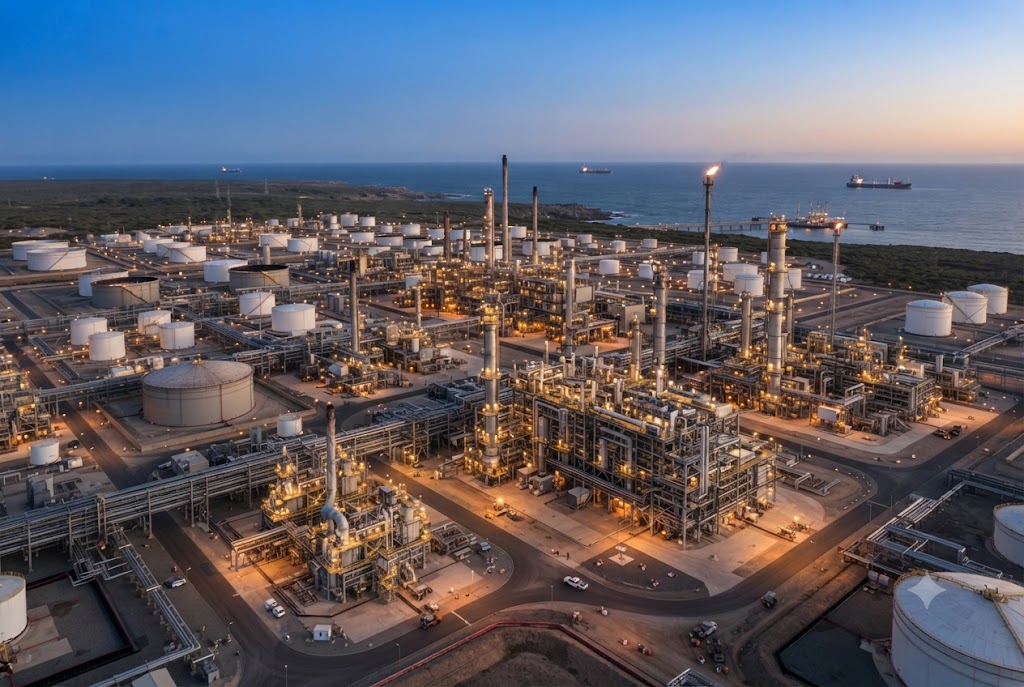
Chemical markets remain inextricably linked to these transportation dynamics. Refineries prioritize gasoline production during peak summer driving seasons.
This operational shift naturally reduces the yield of naphtha, a primary building block for petrochemicals. The resulting supply constraint forces naphtha prices upward rapidly.
Procurement professionals must monitor gasoline benchmarks as a leading indicator for chemical costs. A sustained spike in pump prices guarantees upward pressure on feedstock valuations.
Waiting for official chemical price announcements leaves buyers exposed to sudden margin compression. Proactive monitoring allows teams to secure inventory before suppliers implement broad price increases.
Political Pressure and Petrochemical Supply Chains
Elevated fuel costs invariably attract intense political scrutiny. Policymakers face immediate pressure to lower prices for voters. This political response often manifests as sudden regulatory interventions or strategic reserve releases.
Governments may temporarily restrict crude oil exports to prioritize domestic fuel supplies. Such interventions directly disrupt established petrochemical supply chains.
Exporters face sudden volume caps, forcing them to curtail production or seek alternative domestic buyers. These policy shifts create artificial volatility in chemical markets.
Buyers relying on consistent export flows from major refining nations must prepare for sudden allocation changes. Contracts may face force majeure declarations as suppliers navigate conflicting domestic mandates.
Procurement teams must build flexibility into their sourcing strategies to absorb these political shocks. Strategic petroleum reserve releases also alter market dynamics.
While intended to lower fuel costs, these releases often involve crude grades unsuitable for optimal chemical cracking. Refineries must adjust their processing units, further complicating the yield of high-value chemical intermediates.
Consumer Sentiment and Downstream Demand Shifts
Consumer sentiment deteriorates rapidly when transportation costs consume a larger share of household budgets. This financial strain forces a reallocation of discretionary spending away from durable goods.
The manufacturing sectors producing these goods represent massive consumers of commodity chemicals. Automotive production often slows during periods of high fuel costs.
Consumers delay purchasing new vehicles or opt for smaller, more fuel-efficient models. This shift reduces the overall volume of plastics required for automotive interiors and components.
Packaging manufacturers also face margin pressure as retail volumes soften. Brands may downgauge their packaging or switch to alternative materials to control costs.
This downstream demand destruction eventually feeds back up the supply chain to resin producers. Chemical buyers must adjust their volume forecasts to reflect this muted end-market demand.
Additionally, the construction sector experiences slowdowns as higher fuel costs increase the price of building materials and transportation. This reduction in construction activity directly lowers the demand for polyurethane foams, sealants and specialized coatings.
Chemical buyers serving these industrial segments must proactively adjust their procurement volumes to avoid excess inventory accumulation.
Feedstock Cost Transmission to Key Chemicals
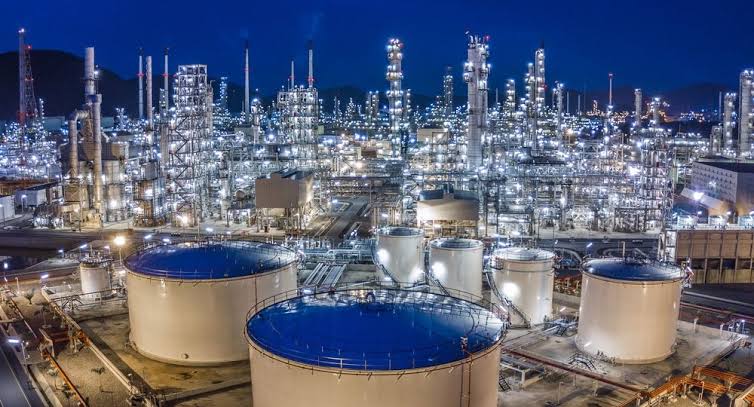
The cost transmission from crude oil to finished chemicals follows a predictable but accelerated path during price spikes. Naphtha crackers operate on thin margins and pass input cost increases directly to derivative markets.
Ethylene and Polyethylene: These fundamental building blocks derive directly from naphtha cracking. Higher crude prices squeeze producer margins unless they successfully pass costs to buyers.
Propylene and Polypropylene: Propylene costs track closely with crude oil movements. This makes polypropylene pricing highly sensitive to fuel market volatility.
Styrene and Polystyrene: Benzene and ethylene serve as primary inputs for these materials. Price increases compound rapidly through this specific value chain.
Polyvinyl Chloride: The ethylene component of PVC remains highly vulnerable to oil price swings. This vulnerability offsets any stability gained from salt-based chlorine production.
Chemical producers with access to alternative feedstocks maintain a competitive advantage. North American manufacturers utilizing shale gas-derived ethane experience less direct pressure from gasoline prices.
This regional divergence creates unique arbitrage opportunities for global procurement teams. Buyers can leverage these geographic differences to secure more stable long-term contracts.
Logistics and Freight Cost Amplification
Rising gasoline prices directly increase distribution expenses across the entire supply chain. Trucking rates climb as diesel prices follow crude oil higher.
Rail and barge transport also become more expensive for bulk chemical movements. These logistics costs ultimately embed themselves in delivered chemical prices.
Buyers managing just-in-time inventory systems must pay close attention to this dynamic. A chemical might show stable ex-works pricing while delivered costs creep up due to freight surcharges.
Procurement teams should request detailed breakdowns separating product costs from logistics fees. Bulk shipments by rail or vessel may offer some protection compared to truckload deliveries.
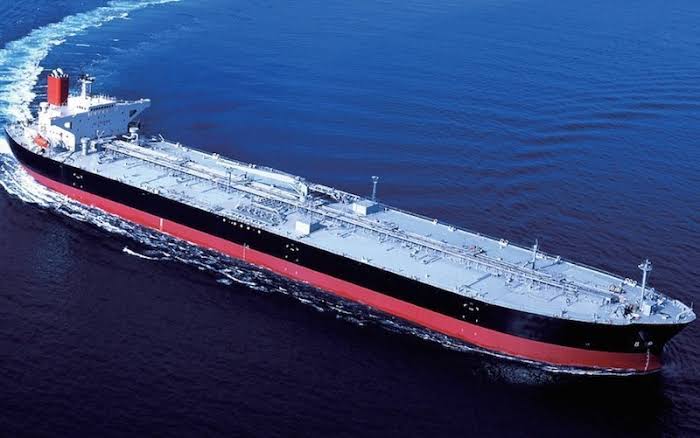
However, bunker fuel adjustments and demurrage charges can erode those advantages quickly in a rising rate environment. Furthermore, intermodal transportation networks face capacity constraints during periods of high fuel demand.
Chemical distributors may prioritize high-margin shipments, leaving bulk commodity buyers with longer wait times. This prioritization exacerbates inventory shortages for essential manufacturing inputs.
Procurement managers must maintain open communication with logistics providers to anticipate these capacity bottlenecks before they halt production lines.
Strategic Sourcing Adjustments for Procurement Teams
Chemical buyers cannot control macroeconomic fuel trends. They must adapt their sourcing strategies to mitigate exposure to this volatility. Several proactive approaches deserve immediate consideration.
Diversify supplier geography. Relying on a single region concentrates risk. Suppliers in areas with favorable feedstock economics maintain more stable pricing during crude market fluctuations.
Negotiate price adjustment mechanisms. Work with suppliers to establish formulas that share risk transparently. This prevents sudden financial shocks when markets move sharply.
Extend contract tenor during volatility. Longer-term agreements at current rates may prove advantageous if the upward price trend continues.
Evaluate alternative specifications. Bio-based solvents or recycled content polymers may offer price stability advantages in specific applications.
Build strategic inventory buffers. Safety stock protects against sudden price jumps or supply disruptions. Calculate the trade-off carefully based on your specific operational needs.
Furthermore, establishing joint business planning sessions with key suppliers fosters mutual resilience. Sharing long-term demand forecasts helps producers optimize their feedstock purchasing and production scheduling.
This collaborative approach builds trust and secures priority allocation during periods of severe market tightness.
The Bottom Line for Procurement Teams
The return of $4 gasoline marks a critical turning point for downstream commodity chemical markets. Procurement professionals must move beyond reactive price negotiations.
Developing comprehensive strategies addressing feedstock volatility and supply chain resilience is now mandatory. Monitor crude oil and naphtha benchmarks closely as leading indicators.
Engage suppliers in transparent discussions about cost pass-through mechanisms. Diversify sources where possible to reduce exposure to volatile regional markets.
Energy market dynamics will continue shaping chemical pricing for the foreseeable future. Building flexibility into procurement strategies now positions your organization to navigate whatever comes next.
Organizations that treat energy market intelligence as a core procurement function will outperform their competitors. Regular cross-functional meetings between procurement, logistics and finance teams ensure alignment on risk mitigation strategies.
This internal collaboration is essential for navigating the complex pricing environment created by sustained high fuel costs.
Ready to source Monoethylene Glycol from verified global suppliers? Explore competitive offers on our platform today.