Genomatica's Three-Decade Track Record Sets It Apart From Younger Biotech Rivals
Most industrial biotechnology companies are still proving they can scale past a pilot plant. Genomatica has been licensing commercial fermentation technology for nearly three decades, a track record that puts it in rare company within a sector still dominated by startups measured in years rather than decades.
That long history became a headline feature again this month as Genomatica joined forces with Again, a five-year-old AI-driven biomanufacturing company. The pairing highlights an unusual asset in industrial biotech: sustained commercial credibility built over time.
What Nearly Three Decades Actually Looks Like
Genomatica was founded in San Diego in 1998, developing and licensing fermentation processes that replace fossil-based chemical production. Its core focus has centered on 1,4-butanediol (BDO) and nylon precursors, chemicals traditionally made from petroleum feedstocks.
That history shows up in a patent portfolio industry sources put at over 1,100 patents, along with decades of proprietary process development data. Few companies in the space can point to that combination of depth and breadth.
What the track record includes:
Commercial-scale BDO technology operating at a Novamont plant in Italy since 2016.
A $360 million BDO plant built in Iowa through the Qore joint venture between Cargill and Helm, using Genomatica's licensed process.
Over 100,000 tons per year of combined renewable BDO production capacity enabled through its licensing network.
Why Longevity Matters in This Sector
Industrial biotechnology has a well-documented scale-up problem. Processes that work in a lab often fail, or become uneconomical, once pushed to commercial volume. Genomatica's licensing model has survived multiple economic cycles while continuing to add commercial deployments.
That matters for buyers because supplier longevity in this field correlates closely with proven reliability. A company that has moved technology from lab bench to industrial-scale licensee plants more than once has already absorbed the operational lessons that younger competitors are still learning.
How Younger Peers Compare
Contrast that with Again itself. Founded in 2021 out of research at the Technical University of Denmark, the company has built its reputation on speed rather than tenure, moving from a pilot plant at a Copenhagen wastewater facility to a commercial CO2-to-acetic-acid operation in Texas within a few years.
That pace is genuinely impressive, and it reflects how AI-driven design tools have compressed development timelines that used to take a decade or more. But speed and depth solve different problems.
A rough comparison of what each company type typically offers buyers:
Long-tenured licensors like Genomatica bring proven commercial deployments, established patent protection and a demonstrated ability to work with large-scale manufacturers over many years.
Younger AI-native platforms like Again bring faster iteration, novel feedstock approaches and the ability to move quickly into new chemistries.
What This Means for Sourcing Decisions
Buyers evaluating bio-based chemical suppliers should weigh operating history alongside technical promise, not instead of it. A younger company's technology may be genuinely superior on paper, but Genomatica's track record demonstrates something that is harder to fake, which is sustained performance at commercial volume over multiple market cycles.
That does not mean younger companies should be discounted. It means procurement teams should ask different questions depending on which type of supplier they are evaluating.
Questions worth asking based on supplier age:
For long-tenured suppliers, ask about current capacity utilization and whether licensing terms have shifted following any ownership changes.
For younger platforms, ask specifically about commercial-scale deployments completed, not just pilot results or capacity potential.
For both, request concrete current production volumes rather than relying on cumulative capacity figures.
Why the Combination May Outperform Either Alone
The recent tie-up between the two companies is instructive precisely because it pairs these different strengths rather than choosing between them. Genomatica's licensing relationships and process depth give the combined entity commercial credibility that a five-year-old company could not build alone. Again's AI-driven design tools give Genomatica's fermentation expertise a faster path to new molecules.
For buyers, that combination suggests the deal is less about replacing an aging model with a faster one, and more about closing the gap between proven execution and rapid innovation.
The Bottom Line for Buyers
Genomatica's nearly 30 years of fermentation licensing history remains a genuine differentiator in an industry where most companies are still building their first decade of commercial track record. That depth of experience, now paired with a younger AI-driven partner, gives buyers a useful case study in what supplier longevity is actually worth.
Procurement teams sourcing bio-based BDO or nylon precursor chemistry should factor operating history into supplier evaluation alongside technical capability, since the two rarely tell the same story on their own.
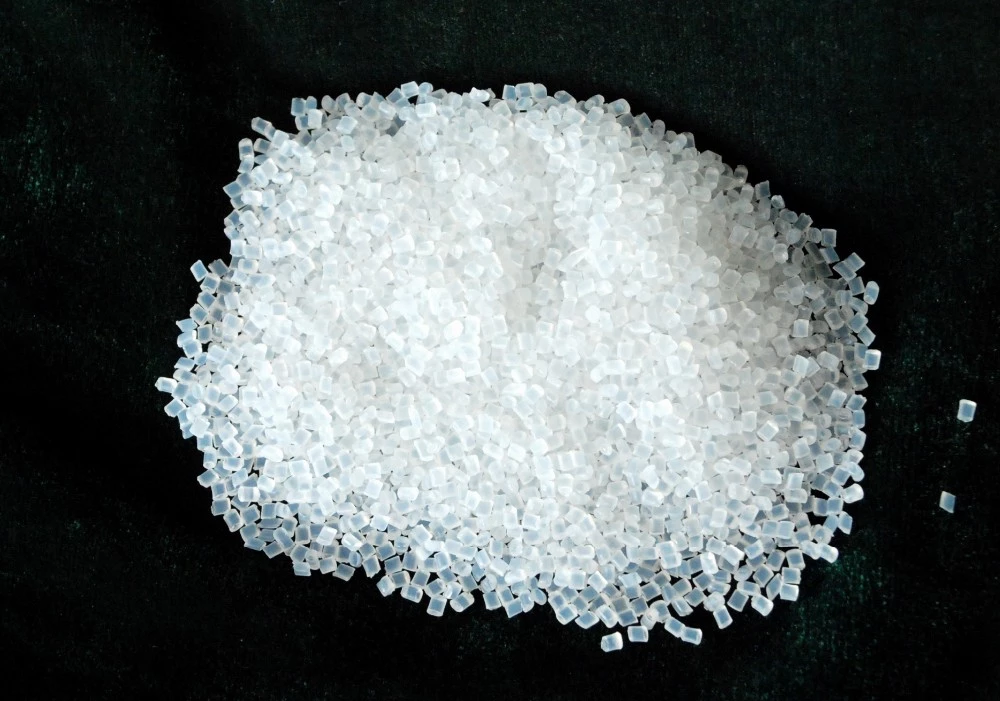
Nylon 6
Found this useful?