Genomatica's Three Decades of Fermentation Data Become Again's Core Asset
The acquisition of San Diego-based Genomatica by Copenhagen startup Again marks a pivotal moment for the biobased chemicals industry. This deal transfers nearly thirty years of proprietary fermentation data into a modern carbon utilization platform.
Genomatica was founded in 1998 and spent decades perfecting the biological production of chemicals traditionally derived from fossil feedstocks. The company successfully licensed processes for high-volume molecules including 1,4-butanediol and various nylon precursors.
This vast repository of process data now becomes the core asset for Again’s expanding operations. Procurement managers and chemical traders must understand how this integration affects supply chain reliability and product availability. The merger combines historical biological expertise with next-generation carbon capture technology.
Buyers of industrial polymers and specialty monomers will see accelerated access to sustainable alternatives. The combined entity leverages proven microbial strains alongside innovative CO2 conversion methods. This strategic alignment addresses both performance requirements and stringent sustainability mandates facing the chemical sector today.
The Value of Thirty Years of Process Data
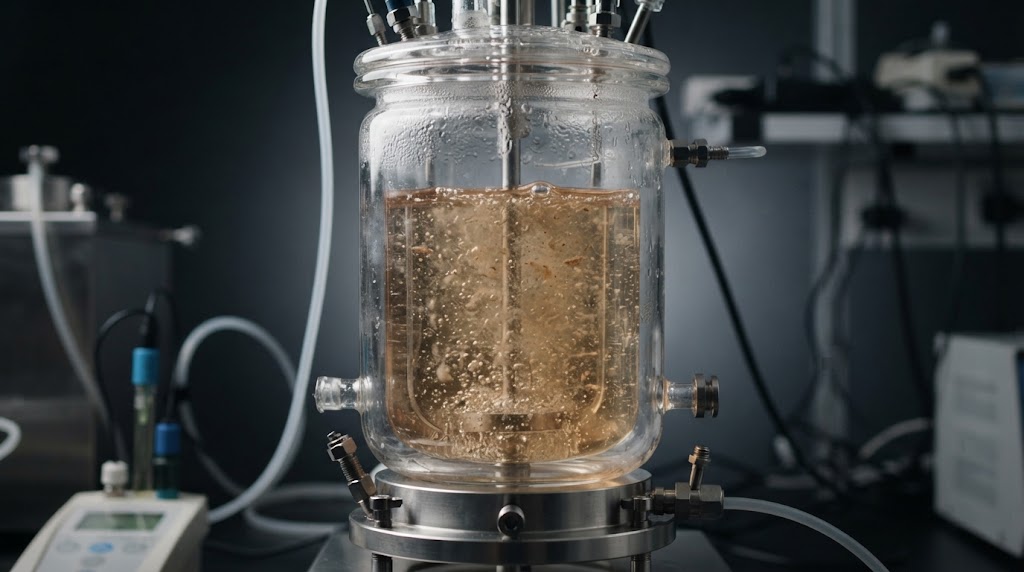
Fermentation is not merely a biological process but a highly complex engineering challenge that requires precise control. Genomatica’s three decades of operation generated an immense amount of data on strain performance and yield optimization. This historical dataset allows for rapid scaling of new molecules without the typical trial-and-error phases.
Again now possesses detailed insights into how specific microorganisms behave under various industrial conditions. This knowledge significantly reduces the time required to bring new biobased products to commercial scale. Procurement teams benefit from this efficiency through more stable supply chains and consistent product quality.
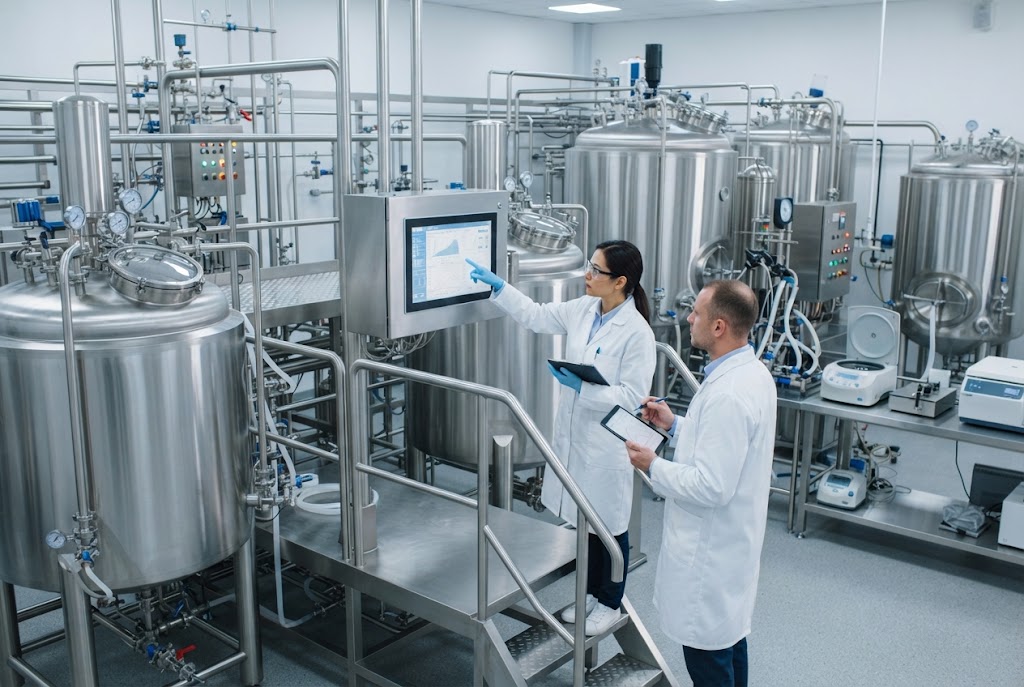
The integration of this data into Again’s platform creates a powerful hybrid manufacturing model. It combines the precision of biological synthesis with the sustainability of carbon utilization. Traders can expect faster innovation cycles and a broader portfolio of low-carbon chemical solutions in the near future.
Key Molecules Driving the Biobased Market
The chemical industry relies heavily on a few key building blocks for producing plastics and fibers. 1,4-butanediol stands out as a critical molecule used extensively in the production of polyurethanes and spandex. Genomatica pioneered the biological production of this chemical, offering a sustainable alternative to petrochemical routes.
Nylon precursors represent another major category where biobased solutions are gaining significant market traction. These materials are essential for the automotive and textile industries which face intense pressure to reduce their carbon footprints. The acquisition ensures continued supply and further development of these high-demand biobased intermediates.
Buyers should evaluate these molecules based on their total lifecycle emissions and performance characteristics. Biobased 1,4-butanediol offers identical physical properties to its fossil-based counterpart while drastically reducing environmental impact. This drop-in capability simplifies the transition for manufacturers seeking to meet corporate sustainability goals.
Integrating CO2 Utilization with Biological Synthesis
Again specializes in converting captured carbon dioxide into valuable chemical feedstocks using advanced catalytic processes. By acquiring Genomatica, the company adds biological synthesis capabilities to its technological toolkit. This integration allows for the production of complex molecules that are difficult to create through pure catalysis.
The hybrid approach leverages the strengths of both technologies to maximize efficiency and sustainability. CO2 serves as a primary carbon source which microorganisms then convert into specific target chemicals. This method reduces reliance on agricultural feedstocks and minimizes competition with food production systems.
Procurement professionals will see a new class of chemicals produced from waste carbon streams. This shift transforms industrial emissions into valuable resources while closing the carbon loop. The combined platform offers a scalable solution for decarbonizing the production of essential industrial chemicals.
Impact on Global Supply Chains and Sourcing
The consolidation of Genomatica’s assets into Again’s platform will reshape global sourcing strategies for biobased chemicals. Manufacturing locations may shift to regions with abundant renewable energy and carbon capture infrastructure. This geographic diversification enhances supply chain resilience against regional disruptions and regulatory changes.
Chemical traders must adapt to new documentation requirements and sustainability certification standards. Buyers will increasingly demand verifiable proof of the carbon footprint for every chemical shipment. The merged entity is well-positioned to provide this transparency through its integrated data platforms.
Importers and exporters should anticipate new trade flows emerging from innovative production hubs. Countries investing heavily in carbon capture technologies will become key suppliers of biobased intermediates. This trend aligns with global efforts to localize chemical production and reduce transportation emissions.
Regulatory Drivers and Corporate Sustainability Mandates
Government policies worldwide are actively promoting the adoption of biobased chemicals over traditional petrochemicals. The European Union and other major economies are implementing stricter regulations on carbon emissions and fossil fuel usage. These regulatory pressures create a favorable market environment for companies like Again and Genomatica.
Corporate buyers face direct mandates from their executive boards to increase the share of sustainable materials in their portfolios. Procurement managers must navigate complex compliance landscapes while maintaining cost competitiveness. The acquisition provides buyers with a reliable partner capable of meeting these dual objectives effectively.
Sustainability reporting requirements are becoming more stringent across all industrial sectors. Companies need accurate data on the environmental impact of their raw materials to comply with these standards. The combined expertise of Again and Genomatica offers robust solutions for tracking and verifying carbon reductions.
Challenges in Commercial Scaling and Market Adoption
Despite the technological advantages, scaling biomanufacturing operations presents significant financial and logistical challenges. Building new facilities requires substantial capital investment and long-term commitment from stakeholders. Investors demand clear pathways to profitability before supporting large-scale expansion projects.
Securing consistent and cost-effective feedstocks remains a critical hurdle for the biobased chemical industry. Agricultural residues and waste sugars often suffer from supply chain inconsistencies and seasonal variations. The merged entity must navigate these complexities to maintain reliable production volumes year-round.
Market adoption also depends on the price competitiveness of biobased alternatives compared to petrochemicals. Volatility in oil prices can influence the economic viability of sustainable production methods. Buyers must consider long-term value propositions rather than just short-term purchase prices when evaluating these materials.
What Procurement Teams Should Do Now
Procurement leaders must update their sourcing strategies to incorporate these emerging biobased supply chains immediately. Engaging with suppliers who offer verified sustainable alternatives will secure priority access to new materials. Building strong relationships with innovators like Again ensures stability in a rapidly evolving market.
Cross-functional collaboration between procurement, sustainability and research departments is essential for success. Companies need to identify which petrochemical ingredients they can replace with biobased equivalents without compromising quality. The transition requires careful testing but offers significant long-term strategic advantages for early adopters.
Investing in digital tools to measure and report the carbon footprint of chemical purchases is also crucial. This data supports regulatory compliance and enhances brand reputation among environmentally conscious consumers. Procurement teams play a vital role in driving the industry toward a more sustainable future.
The Bottom Line for Chemical Buyers
The acquisition of Genomatica by Again signals a mature phase for the biobased chemicals sector. Historical fermentation data now powers next-generation carbon utilization technologies to create sustainable industrial materials. Buyers and traders must adapt to this new reality to remain competitive in the global market.
Biobased molecules like 1,4-butanediol and nylon precursors will increasingly dictate supply chain dynamics and pricing structures. Companies that proactively integrate these sustainable materials into their portfolios will gain a distinct competitive edge. The future of chemical trading belongs to those who embrace biological manufacturing and advanced carbon utilization. Ready to source Lactic Acid from verified global suppliers? Explore competitive offers on our platform today.

Lactic Acid (E270)
Found this useful?