German Chemical Capacity Utilization Concerns Persist Into Mid-2026
The European chemical industry faces a prolonged period of operational strain as domestic production metrics remain subdued. German chemical sector capacity utilization concerns continue to inform petrochemical investment and restructuring decisions at major companies like Evonik. Procurement managers and chemical traders must closely monitor these structural shifts. Persistent low utilization rates signal a fundamental mismatch between regional production capabilities and current market demand. Buyers relying on specialty polymers and base chemicals from this region need to anticipate ongoing supply volatility. Understanding the drivers behind these operational constraints allows sourcing teams to build more resilient procurement models. Ignoring this macroeconomic reality exposes organizations to unexpected allocation limits and pricing fluctuations. Strategic foresight is now essential for navigating the evolving European chemical landscape.
The Mechanics of Low Capacity Utilization in Germany
German chemical producers operate in an environment defined by structural cost disadvantages. High energy prices and stringent environmental regulations erode profit margins significantly. Consequently, companies deliberately run their facilities below maximum capacity to avoid producing at a loss.
This operational restraint directly impacts the availability of key petrochemical intermediates. When utilization rates drop, producers prioritize their most profitable product lines. Standard commodity chemicals often face the deepest production cuts.
Buyers must recognize that this is a calculated financial strategy. Management teams will not restart idled capacity until market conditions guarantee positive returns. This disciplined approach prevents severe oversupply but creates immediate sourcing challenges for downstream manufacturers.
The ripple effects extend to maintenance schedules and capital expenditure plans. Companies defer non-essential upgrades when operating rates remain low. This deferred investment can eventually lead to unexpected equipment failures and further supply disruptions.
Restructuring Decisions at Major Chemical Producers
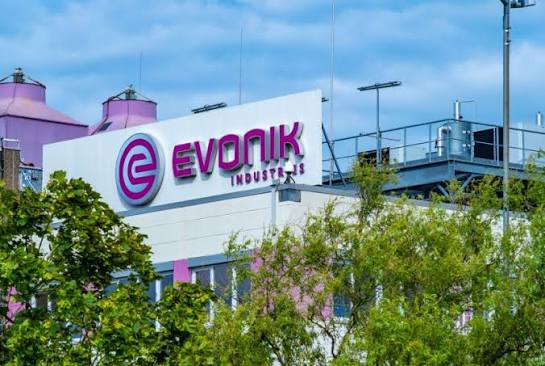
Persistent underutilization forces industry leaders to fundamentally restructure their operations. Companies like Evonik actively evaluate their global asset portfolios for viability. Facilities that consistently operate below target thresholds become prime candidates for closure or divestiture.
This strategic rationalization aims to concentrate capital on high-growth segments. Producers are shifting resources away from bulk commodities toward advanced specialty materials. This pivot permanently alters the regional supply landscape for traditional chemical inputs.
Procurement teams should expect a leaner and more focused supplier base. The era of abundant European capacity for basic petrochemicals is ending. Buyers must proactively identify alternative sources for any materials produced at vulnerable facilities.
Workforce reductions often accompany these facility closures. The loss of specialized technical staff can impact product quality and consistency during the transition period. Buyers should request enhanced quality assurance documentation from remaining production sites.
Impact on Global Petrochemical Supply Chains
Germany serves as a critical manufacturing hub for the broader European market. Production shortfalls here create ripple effects across international supply chains. Importers who traditionally rely on German exports must now seek alternative origins.
This shift increases competition for remaining global capacity. Asian and North American producers may raise prices to capture the displaced European demand. Buyers face a dual challenge of securing new suppliers and managing higher landed costs.
Reduced availability of specific specialty chemical grades. Producers will allocate limited output to long-term contract holders.
Extended lead times for custom formulations. Research and development teams prioritize higher-margin projects.
Increased volatility in spot market pricing. Limited supply naturally drives up baseline costs for uncontracted buyers.
These disruptions require proactive management from procurement professionals. Building relationships with new suppliers is essential for smooth transitions. Early qualification of alternatives prevents last-minute scrambling during critical production cycles.
Strategic Sourcing Amidst Operational Constraints
Procurement professionals must adopt highly disciplined sourcing strategies to mitigate these risks. Relying on short-term spot purchases exposes organizations to severe price volatility. Securing multi-year supply agreements provides essential stability in a constrained market.
Negotiating these contracts requires a deep understanding of current market dynamics. Buyers should leverage their forecasted volume commitments to secure favorable terms. Suppliers value predictable demand when justifying their own operational planning.
Diversifying the supplier base remains a critical risk management tactic. Sourcing from multiple geographic regions prevents total supply chain paralysis. Buyers should actively qualify alternative vendors before a crisis occurs.
Engaging regional distributor networks can also provide a vital buffer. Distributors often hold safety stock that independent manufacturers cannot access. However buyers must weigh this reliability against the additional margin layers.

Regional Market Dynamics and Trade Flow Shifts
The restructuring of German chemical assets will disproportionately affect specific regional hubs. Neighboring European countries may experience secondary supply shocks as cross-border trade adjusts. This reality increases the region reliance on imported chemical volumes.
Import dependency exposes European markets to global freight volatility. Geopolitical tensions or shipping disruptions can instantly inflate landed costs. Procurement teams must factor these logistical risks into their total cost of ownership calculations.
Asian exporters may redirect volumes to capture higher regional premiums. This arbitrage activity further tightens supply in traditional importing markets. Buyers must monitor global shipping rates and vessel availability closely.
Sustainability and the Green Chemistry Angle
Despite severe cost reductions, sustainability remains a corporate priority. Companies continue to invest in green chemistry and circular economy initiatives. These efforts align with customer demands for environmentally friendly products.
Buyers should not assume that restructuring compromises sustainability goals. The industry views these investments as essential for future competitiveness. Sourcing sustainable materials supports corporate ESG targets and mitigates regulatory risks.
Procurement teams should continue to prioritize suppliers with strong environmental records. Certifications and sustainability reports provide valuable insights into vendor performance. Partnering with innovative companies drives long-term value and compliance.
What Buyers Should Do Now
Procurement managers must act decisively to protect their supply chains immediately. Conduct a thorough audit of all current purchases from German chemical producers. Identify any single-source dependencies that pose significant operational risks.
Initiate conversations with alternative suppliers without delay. Qualify backup vendors for critical materials before further restructuring occurs. This proactive approach prevents panic buying during potential transition disruptions.
Review existing contracts for change-of-control clauses carefully. Ensure that your organization retains the right to renegotiate terms if service levels decline. Building a diversified and resilient supply base is the ultimate defense against market consolidation.
Ready to source Monoethylene Glycol from verified global suppliers? Explore competitive offers on our platform today.

Monoethylene glycol
Found this useful?