German Chemical Turnover Fell 2.9% Last Year, 22% Since the 2022 Record
The German chemical industry faces another year of crisis as recent data confirms a sustained downturn. Turnover fell 2.9% last year according to chemeurope.com's ongoing industry tracking. This decline adds to a staggering 22% drop since the record highs of 2022. The cumulative effect of these losses is reshaping the European chemical landscape. Procurement managers and global buyers must understand the root causes of this contraction. It is not merely a cyclical dip but a structural shift in competitiveness. High energy costs regulatory burdens and weak global demand are converging to squeeze margins. Suppliers in Germany are adjusting their operations to survive this prolonged pressure. Buyers need to anticipate how these changes affect supply reliability and pricing. Strategic sourcing decisions made now will define supply chain resilience for years to come.
Understanding the Scale of the Decline
A 22% reduction in turnover over two years represents a massive contraction in industrial output. This figure indicates that many facilities are operating well below their historical capacity. The drop from the 2022 peak was driven by exceptional post-pandemic demand and high inflation. However the continued 2.9% fall last year suggests deeper structural issues.
Production volumes have decreased as manufacturers idle less efficient plants.
Export orders have weakened due to slower growth in key Asian markets.
Domestic consumption remains sluggish as downstream industries like automotive and construction struggle.
This trend is not uniform across all chemical segments. Basic chemicals and energy-intensive intermediates have suffered the most. Specialty chemicals with high value-added properties have shown more resilience. Yet even premium segments feel the pressure of reduced overall industrial activity. Buyers should segment their portfolios to identify which products are most at risk of supply disruption. Understanding the specific dynamics of each chemical category helps in negotiating better terms.
Energy Costs and Competitive Disadvantages
Energy intensity is a primary driver of the German chemical industry's struggles. Natural gas prices remain significantly higher than those in the United States or the Middle East. This disparity makes producing bulk chemicals like ammonia ethylene and chlorine economically challenging. Many companies have reduced output to avoid selling at a loss.
The lack of affordable baseload power forces difficult operational choices. Some firms have shifted production to overseas facilities where energy is cheaper. This offshoring reduces the domestic manufacturing base further. For buyers relying on German-made basics this creates long-term supply risks.
Electricity prices for industrial users remain elevated compared to global competitors.
Carbon compliance costs add another layer of expense under the EU Emissions Trading System.
Infrastructure limitations hinder the rapid integration of cheaper renewable alternatives.
Procurement teams must evaluate whether their suppliers can sustain domestic production. Ask about long-term energy contracts and efficiency upgrades. Suppliers without a clear path to cost competitiveness may eventually exit certain product lines. Diversifying sources outside of Europe becomes a prudent risk mitigation strategy.
Regulatory Pressures and Environmental Compliance
Germany enforces some of the strictest environmental regulations in the world. While these policies aim for sustainability they also increase operational complexity and cost. The European Green Deal and local implementation rules require significant capital investment. Facilities must upgrade equipment to meet lower emission thresholds.
These compliance costs come at a time when cash flows are shrinking. Smaller and mid-sized chemical producers find it particularly hard to fund these transitions. Some may choose to merge or sell assets to larger entities with deeper pockets. This consolidation could reduce the number of independent suppliers in the market.
REACH regulations continue to restrict certain substances requiring reformulation efforts.
Packaging laws impose new recycling and reporting obligations on chemical distributors.
Supply chain due diligence acts require extensive documentation of upstream practices.
Buyers must ensure their suppliers remain compliant despite financial pressures. A supplier cutting corners on environmental safety poses a reputational risk. Request updated compliance certificates and audit reports regularly. Proactive verification prevents unexpected disruptions from regulatory enforcement actions.
Impact on Global Supply Chains
The contraction in German chemical output has ripple effects across global supply chains. Europe is a major exporter of specialty chemicals and pharmaceutical intermediates. A reduction in availability drives up prices for these critical inputs. Buyers in Asia and North America feel the impact through longer lead times and higher costs.
Some global manufacturers are accelerating their search for alternative sources. Countries with lower energy costs and growing chemical sectors are gaining market share. India China and the United States are expanding capacity to fill the gap. This shift offers buyers more options but also introduces new quality and logistical variables.
Logistical complexity increases when switching from regional European suppliers to distant ones.
Quality consistency must be rigorously verified when onboarding new international vendors.
Currency fluctuations add financial risk when purchasing from non-euro zones.
Procurement professionals should use this transition to build a more diversified supplier base. Relying heavily on a single region exposes the business to localized shocks. A balanced portfolio including European Asian and American suppliers enhances resilience.
Strategic Sourcing in a Contracting Market
Navigating a declining market requires a proactive and strategic approach. Buyers cannot simply assume that traditional suppliers will maintain past service levels. Engagement with account managers and sales directors is essential. Discuss their long-term viability and investment plans openly.
Negotiating contracts requires flexibility. Fixed-volume agreements may be difficult for suppliers to honor if production cuts deepen. Consider index-linked pricing or volume-flexible clauses. These arrangements share the risk between buyer and seller. They also encourage transparency about production capabilities.
Long-term partnerships provide stability for suppliers struggling with short-term volatility.
Joint forecasting helps align production schedules with actual demand reducing waste.
Technical collaboration can identify opportunities for material substitution or efficiency gains.
Building trust is crucial during uncertain times. Suppliers prioritize customers who offer predictability and fair terms. Being a partner rather than just a buyer secures better access to limited supplies.
Opportunities in Specialty and Sustainable Segments
Despite the overall downturn some segments show promise. Specialty chemicals used in electronics healthcare and renewable energy technologies continue to grow. German producers are pivoting toward these high-value areas to offset losses in basics.
Sustainability-driven products also attract premium pricing. Biobased polymers and recycled materials see strong demand from brand owners. Suppliers investing in these green technologies may offer more stable long-term prospects. Buyers aligned with sustainability goals should prioritize these innovative partners.
Circular economy initiatives create new markets for recycled chemical feedstocks.
Bio-based solvents and additives replace petroleum-derived alternatives in many applications.
Energy-efficient formulations help downstream users reduce their own carbon footprints.
Identifying these growth pockets within the broader decline allows for strategic advantage. Procurement teams can support their company’s sustainability targets while securing supply. It turns a market challenge into an opportunity for innovation.
The Bottom Line for Procurement Teams
The 22% drop in German chemical turnover since 2022 signals a fundamental market shift. Energy costs and regulatory pressures are driving a structural contraction in basic chemical production. Buyers must adapt by diversifying sources and strengthening supplier relationships.
Relying on historical supply patterns is no longer sufficient. Active monitoring of supplier financial health and operational status is mandatory. Embracing flexibility in contracting and sourcing strategies mitigates risk. The market is evolving and only agile procurement teams will thrive.
Stay informed about regional developments and global alternatives. Use this period of transition to build a more resilient and sustainable supply chain. The future belongs to those who plan ahead and act decisively.
Ready to source chemicals from verified global suppliers? Explore competitive offers on our platform today.
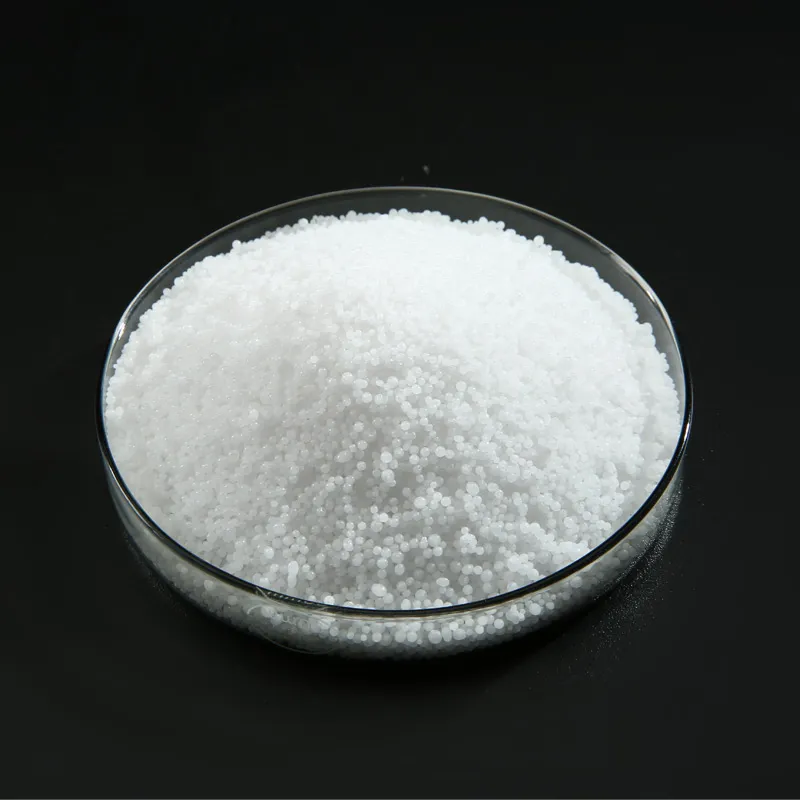
Caustic Soda Pearls - China
Found this useful?