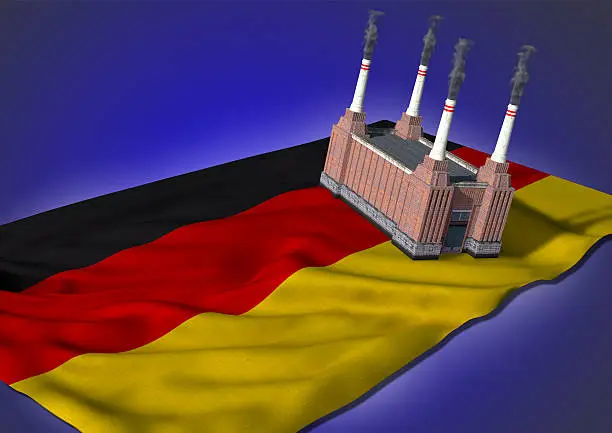
Germany's Chemical Industry: Challenges and Global Trade Outlook
Germany's Chemical Manufacturing Sector: An Overview
Germany has long been one of the world's leading chemical manufacturing centres. Its chemical industry supplies essential raw materials and specialized products to automotive, pharmaceutical, construction, agriculture, electronics and manufacturing industries.
The country is particularly known for its advanced chemical production facilities, research capabilities, industrial clusters and strong international trade connections. Major manufacturers such as BASF, Covestro, Evonik and Wacker Chemie contribute to its position in the global chemical supply chain.
However, Germany's chemical manufacturing sector is experiencing considerable pressure. High electricity and natural gas prices, weak industrial demand, rising production costs and competition from international manufacturers have affected production and investment decisions.
According to the European Chemical Industry Council (Cefic), Germany's chemical and pharmaceutical industry generated approximately €220.4 billion in turnover in 2025, making it the country's third-largest industrial sector. The industry accounted for around 22% of EU chemical and pharmaceutical production.
As the industry moves through 2026, energy affordability, export competitiveness and investment in modern manufacturing technologies remain important factors shaping its future.
Rising Energy Costs and Their Impact on Chemical Manufacturing
Energy is one of the most important cost factors in Germany's chemical industry. Chemical manufacturing requires substantial electricity, natural gas, steam and other energy inputs for processes such as heating, separation, refining and chemical reactions.
Natural gas also serves as a feedstock for producing important chemicals, including ammonia and hydrogen.
Why Energy Prices Matter to German Chemical Producers
Germany's chemical manufacturers have historically benefited from an established industrial infrastructure and access to European energy markets. However, the energy crisis following Russia's invasion of Ukraine significantly changed the industry's cost structure.
Although energy markets have adjusted since the initial crisis, German manufacturers continue to face higher energy costs than several international competitors.
The German Chemical Industry Association (VCI) reported in November 2026 that the chemical and pharmaceutical industry accounted for almost 8% of Germany's total energy consumption in 2024.
High electricity and gas prices can affect manufacturing costs, particularly for energy-intensive products such as ammonia, chlorine, basic petrochemicals and industrial gases.
Impact on Production and Investment
Rising energy expenses can make certain chemical production processes less economically attractive.
Manufacturers may respond by reducing production rates, postponing investment projects, improving energy efficiency or shifting some production activities to regions with more competitive operating costs.
These decisions can affect domestic manufacturing capacity, employment and the availability of chemical products across European supply chains.
Germany's Chemical Export Performance and International Trade
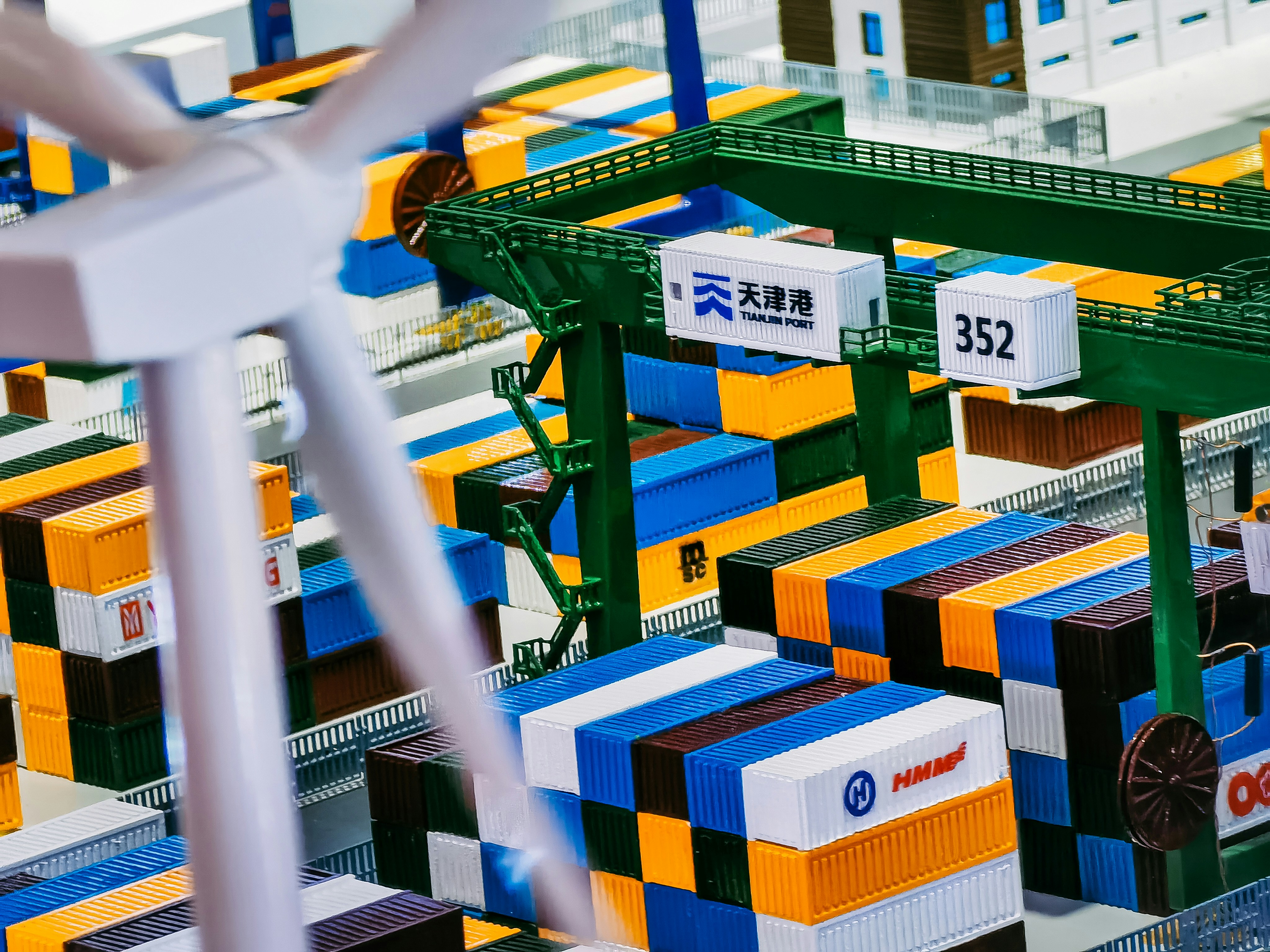
Exports are a major part of Germany's chemical manufacturing business. German producers supply industrial chemicals, polymers, specialty materials, pharmaceutical products and advanced chemical solutions to customers worldwide.
According to Cefic's 2025 industry data, approximately 62% of Germany's chemical and pharmaceutical industry sales were generated in international markets.
Major Export Markets
Germany's chemical manufacturers maintain strong commercial relationships across several international markets:
European Union: Neighbouring European countries remain important destinations for industrial chemicals, polymers and specialty materials.
United States: German companies supply specialty chemicals, pharmaceutical ingredients and advanced industrial materials.
China: China remains an important trading partner, although increasing domestic manufacturing capacity is creating stronger competition.
United Kingdom: Industrial chemicals, pharmaceutical products and specialty materials support ongoing trade relationships.
Asia-Pacific: Growing manufacturing industries create demand for German specialty chemicals, advanced materials and industrial inputs.
Products Supporting Germany's Chemical Exports
Germany exports a broad range of chemical products, including:
Basic organic and inorganic chemicals.
Pharmaceuticals and pharmaceutical intermediates.
Specialty chemicals and industrial additives.
Plastics, polymers and synthetic materials.
Industrial coatings, adhesives and resins.
Agricultural chemicals and advanced chemical formulations.
Specialty chemicals and high-performance materials are particularly important because they serve industries requiring technical expertise, consistent quality and specialized product specifications.
Global Competition and Germany's Industrial Competitiveness
Germany's position in the international chemical market is being influenced by increasing competition from major manufacturing economies.
Competition from China and the United States
China has expanded its chemical manufacturing capabilities through large-scale investments in petrochemicals, polymers and specialty chemicals. Its growing production capacity allows manufacturers to compete across several international product categories.
The United States also benefits from access to natural gas and petrochemical feedstocks, which can provide cost advantages in certain energy-intensive manufacturing processes.
German manufacturers, meanwhile, must manage higher operating costs while maintaining their established standards of quality, innovation and technical performance.
Pressure on Domestic Production
The German chemical industry has experienced declining production and reduced capacity utilization in recent years.
According to VCI's first-half 2026 review, chemical and pharmaceutical industry production was approximately 3% lower than in the same period of 2025. Sales declined by 1% to €106 billion.
VCI also reported that investment in property, plant and equipment had fallen approximately 15% below its 2023 level.
These developments highlight the challenges facing manufacturers as they balance domestic production costs against international competition.
Major Growth Opportunities in Germany's Chemical Industry
Despite these challenges, Germany maintains important opportunities in advanced manufacturing, specialty chemicals and sustainable industrial technologies.
1. Specialty Chemicals and High-Performance Materials
Specialty chemicals offer opportunities for German manufacturers because of their importance in technically demanding applications.
Products such as advanced polymers, industrial additives, coatings, adhesives and specialty resins are used in automotive manufacturing, electronics, construction and industrial equipment.
Companies can strengthen their market positions by investing in customized formulations, improved product performance and application-specific research.
2. Pharmaceutical and Life Science Chemicals
Germany has an established pharmaceutical and life sciences industry that creates demand for high-quality chemical ingredients and specialized manufacturing materials.
Pharmaceutical intermediates, fine chemicals, laboratory chemicals and advanced chemical compounds represent important business segments.
Increasing investment in pharmaceutical research and biotechnology can create further opportunities for suppliers of specialized chemical inputs.
3. Sustainable and Green Chemicals
Environmental sustainability is becoming increasingly important in European manufacturing.
German chemical companies are exploring renewable feedstocks, biodegradable materials, chemical recycling and low-carbon production technologies.
These developments can create opportunities for manufacturers supplying sustainable polymers, bio-based ingredients and environmentally improved industrial formulations.
4. Advanced Materials for Electric Vehicles
The transition towards electric mobility is creating demand for advanced chemical materials.
Battery components, electrolyte materials, specialty polymers, thermal management materials and lightweight automotive compounds are important areas of development.
German manufacturers can use their existing automotive and chemical industry expertise to develop materials for next-generation mobility applications.
5. Industrial Digitalization and Automation
Digital transformation provides opportunities to improve chemical production efficiency.
Artificial intelligence, automated manufacturing systems, predictive maintenance and digital process monitoring can help companies reduce operational expenses and improve product consistency.
Digital supply chain systems can also improve procurement planning, inventory management and communication between international suppliers and buyers.
Sustainability and Germany's Energy Transition
Germany's energy transition, commonly known as the Energiewende, is an important factor shaping the future of chemical manufacturing.
The country aims to reduce greenhouse gas emissions while expanding renewable energy and developing lower-carbon industrial production.
Renewable Energy and Green Hydrogen
Renewable electricity and green hydrogen could help reduce the carbon footprint of selected chemical production processes.
Hydrogen is particularly important for ammonia manufacturing, industrial chemicals and other applications that currently depend on fossil-based feedstocks or energy.
However, the availability and cost of renewable electricity and hydrogen remain important considerations for large-scale industrial adoption.
Carbon Capture and Chemical Recycling
Carbon capture technologies may help reduce emissions from certain industrial processes, while chemical recycling can support the recovery of valuable materials from plastic waste.
Manufacturers are also exploring circular production systems that reduce dependence on virgin raw materials.
These technologies require substantial investment, infrastructure and commercially viable operating models.
Challenges Facing Germany's Chemical Manufacturing Sector
Several factors could continue to influence the industry's performance and international competitiveness.
High Energy Prices: Electricity and natural gas costs remain important competitive disadvantages for energy-intensive chemical manufacturers.
Weak Industrial Demand: Slow growth in downstream industries such as automotive, construction and manufacturing can reduce demand for chemical products.
International Competition: Increasing production capacity in China and other regions creates pricing pressure for German manufacturers.
Regulatory Requirements: Environmental, chemical safety and sustainability regulations can increase compliance costs and require additional investment.
Investment Decline: Reduced capital expenditure can delay modernization, production expansion and the development of new manufacturing technologies.
Raw Material Availability: Dependence on imported energy resources and chemical feedstocks can expose manufacturers to international price fluctuations and supply chain disruptions.
Addressing these challenges will be essential for maintaining Germany's position in international chemical markets.
What International Chemical Buyers Should Know
Germany remains an important sourcing destination for international chemical buyers, particularly those seeking high-quality specialty chemicals, advanced materials and technically demanding industrial products.
However, procurement decisions should consider more than product pricing.
Businesses sourcing chemicals from German manufacturers should evaluate:
Supplier reliability: Review manufacturing capabilities, business credentials and production consistency.
Product quality: Verify CAS numbers, purity, grade and technical specifications.
Regulatory compliance: Confirm REACH, CLP and other applicable European chemical requirements.
Documentation: Request Safety Data Sheets (SDS), Certificates of Analysis (COA) and relevant technical documentation.
Logistics: Compare transportation costs, delivery schedules, packaging and international shipping arrangements.
Total procurement costs: Consider energy-related pricing changes, freight expenses and currency fluctuations.
Digital B2B chemical marketplaces can also help buyers compare suppliers, explore product specifications and identify alternative sourcing opportunities.
Germany's Chemical Manufacturing Outlook: What Comes Next?
Germany's chemical manufacturing sector is entering a period of industrial adjustment. Although the country retains strong technological capabilities, established manufacturers and international trade relationships, high energy costs and global competition continue to influence production and investment decisions.
VCI's July 2026 review projected a 1.5% decline in full-year chemical and pharmaceutical industry production, reflecting the difficult operating environment.
The industry's future competitiveness will depend on several factors, including affordable energy, modern manufacturing infrastructure, investment in research and development, digitalization and the development of higher-value chemical products.
For international buyers, distributors and investors, Germany will remain an important market for specialty chemicals, advanced materials and industrial chemical technologies.
TradeChem Perspective: Germany's chemical industry demonstrates how energy costs and international competition can reshape global manufacturing strategies. While cost pressures create challenges for traditional chemical production, opportunities remain in specialty chemicals, advanced materials, sustainable manufacturing and high-performance industrial products. Businesses that monitor these developments can identify new suppliers, evaluate alternative sourcing markets and make more informed chemical procurement decisions.
Source Links

Acrylic Acid (99.5%) - China
Found this useful?