Germany's Chemical Corridor Logistics Infrastructure Faces Cumulative Summer Disruption Costs
Repeated Rhine-related disruptions across the summer are exposing a structural weakness in one of Europe's most important chemical logistics corridors. For Germany's chemical industry, the issue is not simply the cost of one delayed shipment or one interrupted production schedule. The cumulative effect can spread across manufacturers, transport operators, warehouses and downstream buyers.
The Rhine connects major industrial and chemical production centres with inland terminals and international trade routes. When disruptions occur repeatedly, companies face a growing combination of freight delays, inventory pressure, production uncertainty and additional logistics expenses.
For chemical procurement teams, this makes Rhine logistics resilience an increasingly important part of supply planning rather than a transportation issue that can be handled separately from sourcing.
Why Rhine Disruptions Matter to Germany's Chemical Industry
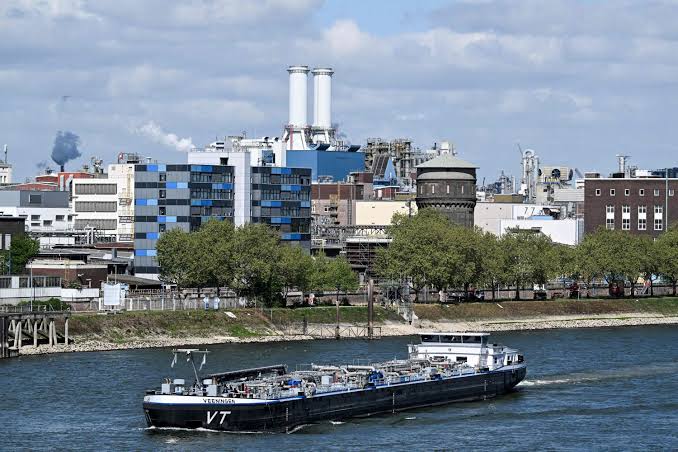
The Rhine functions as a critical transport artery for Germany's industrial economy. Chemical manufacturers depend on reliable movement of raw materials, intermediates and finished products through a network that links production sites with ports, storage facilities and customers.
A disruption can therefore affect several stages of the supply chain at once. When interruptions occur repeatedly during the same season, companies have less opportunity to recover between individual events.
The commercial consequences can include:
Higher transport costs: Companies may need to use alternative modes or routes when normal Rhine transport becomes constrained.
Longer delivery times: Delays can push deliveries outside planned production and inventory windows.
Additional inventory requirements: Buyers may hold more material to protect against further disruption.
Production scheduling pressure: Chemical plants often depend on continuous availability of specific feedstocks and intermediates.
Downstream service risk: Delayed chemical deliveries can eventually affect customers that depend on those materials for their own production.
The important factor is the cumulative effect. Several smaller disruptions can create a larger financial burden than any single incident suggests.
Cumulative Disruption Changes the Cost Calculation
A chemical producer can often absorb an isolated logistics problem. A recurring disruption creates a different operating environment because every subsequent interruption arrives before the previous costs have fully disappeared.
Companies may first incur additional freight expenses. They can then face warehouse charges, overtime, schedule changes and higher working-capital requirements as they attempt to rebuild supply buffers.
This creates a cumulative disruption premium that may not appear directly on an individual freight invoice.
For procurement professionals, the full cost of Rhine disruption therefore needs to include more than transportation rates. The relevant calculation can also include emergency sourcing, inventory carrying costs, production adjustments and the commercial consequences of delayed deliveries.
The Chemical Corridor Depends on More Than River Capacity
The Rhine's importance extends beyond the waterway itself. Germany's chemical corridor depends on an interconnected logistics system involving barges, railways, roads, pipelines, ports, terminals and storage infrastructure.
A constraint on one part of the network can transfer pressure to another. If inland waterway capacity becomes unreliable, alternative transport modes can experience increased demand and tighter availability.
This creates a difficult balancing problem for chemical manufacturers. Moving material by road or rail may provide an alternative, but those options can involve different costs, capacity limitations and handling requirements.
The resilience of the corridor therefore depends on whether companies can shift between logistics modes without creating another bottleneck.
Low-Water and Rhine Disruption Risk Can Reshape Procurement
Chemical procurement traditionally focuses heavily on supplier price, product quality, payment terms and production reliability. Inland logistics conditions increasingly deserve similar attention.
A supplier may offer a competitive material price while facing a logistics route with elevated disruption exposure. Once transport risk is incorporated into the total delivered cost, the apparent price advantage can become smaller.
Procurement teams should therefore evaluate:
Origin and destination: Understand how much of the journey depends on Rhine transport.
Alternative routing: Determine whether suppliers can shift shipments to rail, road or alternative waterways.
Storage flexibility: Establish how long critical materials can be buffered near production sites.
Supplier redundancy: Avoid excessive dependence on one logistics corridor where practical.
Emergency freight options: Clarify whether suppliers can respond quickly when normal transport becomes constrained.
This approach turns logistics resilience into a measurable procurement criterion.
How Repeated Disruptions Affect Chemical Inventory Strategy
The traditional objective of minimizing inventory can become harder to maintain when logistics reliability deteriorates. Chemical manufacturers need enough stock to keep plants operating, but excessive inventory ties up capital and can create storage challenges.
Repeated Rhine disruptions can shift that balance toward higher safety stocks for selected materials.
The most important candidates are usually materials with limited substitution options, long replenishment times or direct links to continuous production processes. Buyers may also prioritize materials that face concentrated sourcing or limited alternative transportation routes.
Inventory strategy should therefore reflect logistics exposure, not simply average supplier lead time.
A supplier with a nominally short lead time may still represent a high-risk source if its deliveries depend heavily on a corridor vulnerable to repeated disruption.
Alternative Transport Becomes More Valuable During Disruption
Road and rail capacity can provide important contingency options when Rhine transportation faces disruption. However, switching modes at scale is not always straightforward for chemical products.
Certain materials require specialized equipment, controlled handling or dedicated storage arrangements. A sudden move from barge to road transport can therefore create operational constraints even when trucks are technically available.
Chemical companies need contingency plans before disruption occurs. Waiting until a major logistics problem emerges can expose buyers to higher freight rates and limited capacity.
A resilient strategy can include pre-qualified alternative carriers, approved routes and defined escalation procedures. This reduces the time required to shift logistics arrangements when normal transportation becomes unreliable.
What the Summer Pattern Means for Chemical Corridor Infrastructure
The broader issue is whether repeated disruptions should be treated as isolated operating events or as a signal for infrastructure planning.
Germany's chemical industry depends on infrastructure that supports large-scale movement of materials at competitive cost. When disruption repeatedly affects the same corridor, the resulting costs can accumulate across multiple manufacturers and logistics providers.
That creates a case for evaluating resilience across the entire corridor rather than focusing on individual companies.
Infrastructure planning can benefit from examining:
Alternative inland transport capacity.
Rail and road connections serving major chemical clusters.
Storage capacity near critical production locations.
Port and terminal flexibility.
Coordination between chemical producers and logistics providers.
Contingency routes for essential feedstocks and intermediates.
The objective is not to eliminate every disruption. It is to reduce the economic impact when disruptions occur.
Procurement Teams Need a Broader Logistics Risk Model
Chemical buyers can incorporate Rhine exposure directly into supplier assessments. Instead of treating transportation as a final-stage procurement consideration, teams can evaluate logistics resilience during sourcing decisions.
A practical risk model can combine supplier concentration, transport dependency, inventory coverage and substitution potential.
Suppliers with strong production capabilities may still present elevated supply risk if they depend on a single vulnerable logistics corridor. Conversely, a slightly higher-cost supplier with diversified transportation options may provide a lower total supply-chain risk.
This makes delivered reliability more useful than purchase price alone when evaluating critical chemical inputs.
What Buyers Should Do Now
The summer pattern of Rhine-related disruption highlights a procurement issue that extends beyond Germany's waterways. Repeated logistics interruptions can create costs across manufacturing, freight, inventory and customer delivery, making infrastructure resilience an increasingly important part of chemical sourcing strategy.
Procurement teams should map which critical materials depend on Rhine transportation and identify where alternative routes remain commercially and operationally viable. They should also review safety-stock levels for materials where replenishment depends heavily on the corridor.
The strongest response combines supplier diversification with logistics diversification. Buyers that understand both the chemical source and the physical route to their facility will be better positioned to manage recurring disruption costs.
For Germany's chemical corridor, the central question is no longer simply whether the Rhine can support industrial logistics under normal conditions. It is whether the wider infrastructure can absorb repeated disruptions without transferring escalating costs to manufacturers and their customers.

Calcium Chloride (E509)
Found this useful?