MOL Group Solar Park and Battery Storage Strengthen Renewable Power for Hungary’s Chemical Operations
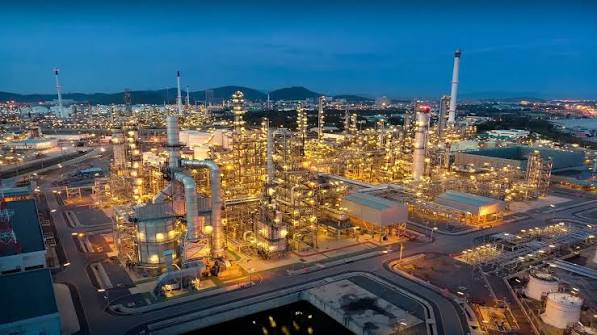
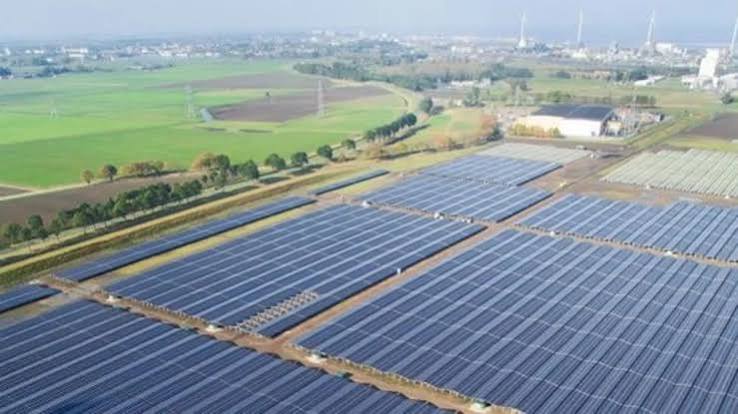
MOL Group’s opening of a 37.4 MWp solar installation with 40 MWh of battery storage at Algyő, Hungary, highlights a growing shift in how energy-intensive industrial sites manage electricity. The project combines renewable generation with energy storage to support MOL’s refinery and chemical operations.
For chemical producers, refineries and industrial buyers, the development matters beyond renewable energy targets. Electricity availability, power costs and supply resilience directly affect production economics, especially across energy-intensive processes that operate continuously.
The Algyő project shows how large industrial companies can integrate solar generation and storage into existing production ecosystems. This approach can influence future investment decisions across chemical manufacturing, refining and related industrial supply chains.
MOL’s Algyő Solar Project Connects Renewable Power With Industry
The new solar installation provides 37.4 MWp of renewable generation capacity at Algyő. Its location within an established industrial environment allows MOL to connect renewable electricity development with the power requirements of its refinery and chemical operations.
The addition of 40 MWh of battery storage gives the project another operational component. Instead of relying only on generation when sunlight is available, the integrated system can store electricity and provide greater flexibility around when renewable power is used.
For industrial operations, that flexibility can become increasingly important as companies add more renewable electricity to their energy portfolios.
Why Battery Storage Matters for Chemical Operations
Solar power produces electricity according to weather and daylight conditions, while chemical and refining facilities often require power around the clock. Battery storage can help bridge the timing difference between renewable generation and industrial electricity demand.
A storage system can support several operational objectives:
Energy timing: Stored electricity can help shift renewable power availability toward periods when industrial demand is higher.
Grid flexibility: Storage can give large facilities another tool for managing changes in electricity supply and demand.
Renewable integration: Batteries can make onsite or nearby solar generation more compatible with industrial consumption patterns.
Operational planning: Combining generation and storage provides companies with more flexibility when managing their overall electricity portfolio.
These factors make storage increasingly relevant to chemical companies evaluating renewable power investments.
What the Project Means for Refining and Chemical Manufacturing
Refineries and chemical plants typically require substantial amounts of energy across processing, separation, compression, pumping and other operations. Electricity is therefore an important component of production economics even when a facility also relies heavily on fuels or other energy sources.
MOL’s Algyő development connects renewable electricity infrastructure directly with this industrial demand. The project supports the company’s broader renewable-power buildout while maintaining a connection to its existing refinery and chemical activities.
For chemical procurement teams, the wider implication is that energy strategy increasingly forms part of industrial competitiveness. Changes in electricity sourcing can influence operating costs, investment planning and the long-term structure of production sites.
Solar and Storage Could Reshape Industrial Energy Procurement
Industrial companies have traditionally managed energy procurement through combinations of grid electricity, fuels, long-term contracts and other supply arrangements. Renewable generation and storage add further options to that mix.
A solar-plus-storage model can allow an industrial operator to consider electricity generation and timing together rather than treating them as separate issues. This becomes particularly relevant as manufacturers seek greater control over energy costs and exposure to changing electricity markets.
For chemical traders and industrial buyers, several factors deserve attention:
Energy-intensive production may create stronger demand for structured renewable power solutions.
Battery storage can become an important part of industrial electricity planning rather than a standalone technology.
Renewable projects located close to production assets can strengthen the link between power investment and manufacturing operations.
Electricity sourcing decisions can increasingly influence the competitiveness of chemical and refining facilities.
Implications for Chemical Supply Chains
Energy infrastructure does not operate separately from the broader chemical supply chain. Electricity availability affects production continuity, manufacturing costs and the economics of downstream products.
When major industrial producers invest in renewable power and storage, they can potentially improve the resilience of their energy supply while reducing dependence on conventional electricity sources. The effects can extend across procurement, production planning and commercial strategy.
Chemical buyers should therefore consider energy developments when evaluating suppliers with energy-intensive production footprints. A producer’s electricity strategy can form part of the wider assessment of its operating environment.
This does not mean renewable power automatically changes the commercial value of a chemical product. Instead, it adds another factor to the operating conditions that procurement teams may monitor alongside feedstock availability, logistics, production capacity and regional demand.
Hungary’s Industrial Energy Transition Gains a New Dimension
Hungary has an established industrial base spanning refining, chemicals and manufacturing. Projects such as the Algyő solar installation demonstrate how renewable generation can become connected with this existing industrial infrastructure.
The combination of 37.4 MWp of solar capacity and 40 MWh of storage also illustrates the move toward integrated energy systems. Renewable generation provides the electricity source while storage adds flexibility to the system.
For industrial companies operating across Central Europe, this type of development can provide a reference point for future energy investment. Companies may increasingly examine how renewable assets can work alongside established manufacturing facilities rather than treating clean power as a separate corporate initiative.
What Procurement Teams Should Watch Next
The expansion of renewable power at industrial sites could affect procurement planning in several ways. Chemical buyers should track developments that influence production reliability, operating costs and supplier capacity.
Key areas to monitor include:
Supplier energy strategies: Major chemical producers may increasingly disclose renewable electricity projects connected with their manufacturing assets.
Storage deployment: Battery systems could become more common at energy-intensive industrial locations as companies seek greater flexibility.
Production economics: Changes in electricity sourcing can interact with feedstock, transportation and other production costs.
Regional investment: Renewable projects connected with industrial clusters may strengthen the attractiveness of established manufacturing locations.
Long-term supply planning: Buyers may need to consider energy infrastructure alongside conventional measures of supplier reliability.
For traders, these developments also provide useful market intelligence. Understanding where producers are investing in power infrastructure can help place future capacity, production and sourcing decisions in a broader industrial context.
Renewable Electricity Becomes Part of Industrial Competitiveness
MOL Group’s Algyő project demonstrates how renewable generation and battery storage can become part of an established refinery and chemical operating environment. The 37.4 MWp solar installation and 40 MWh storage system connect electricity generation with the practical needs of industrial production.
The significance for chemical markets lies in this integration. Energy strategy increasingly intersects with manufacturing economics, supply reliability and long-term investment decisions.
As industrial companies expand renewable power portfolios, chemical procurement teams can benefit from tracking these projects alongside traditional market indicators. Understanding the energy infrastructure behind major production assets can provide additional context when evaluating suppliers, regional capacity and future sourcing opportunities.
Ammonia Anhydrous
Found this useful?