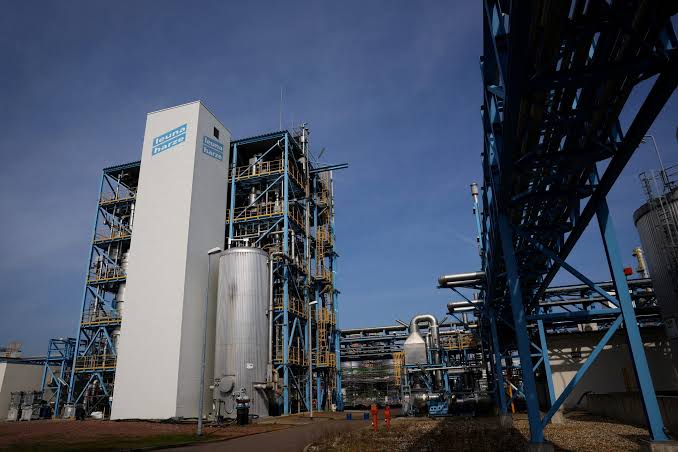
Germany's Chemical Transition Debate Touches Food-Adjacent Specialty Ingredient Competitiveness
Germany's chemical-sector competitiveness debate extends beyond commodity chemicals and large industrial producers. It also affects food-adjacent specialty ingredient manufacturers, which can face many of the same pressures around energy costs, regulation, production economics, and investment conditions.
The Spotlights 2026 discussion provides a useful lens for understanding how Germany's broader chemical transition could influence specialty ingredient producers serving food, nutrition, and related markets.
For these manufacturers, maintaining competitive production economics is increasingly important as European companies face pressure from both high operating costs and international competition.
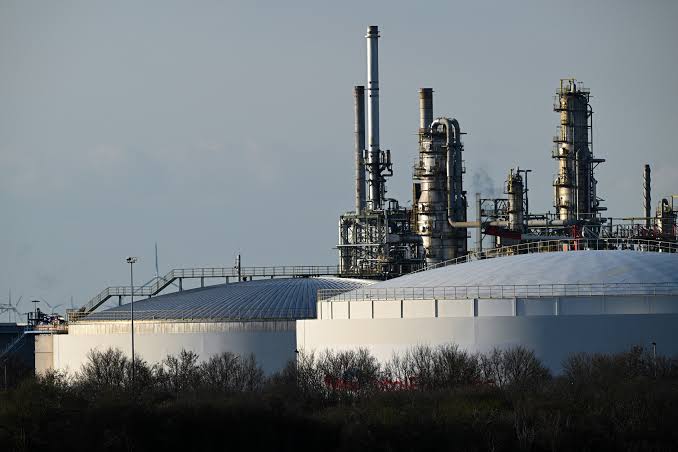
Why Chemical Competitiveness Matters to Food Ingredients
Many specialty food and nutrition ingredients rely on chemical processing, energy-intensive manufacturing, purification, drying, blending, or other industrial production steps.
Higher operating costs can therefore affect:
Ingredient production costs
Processing margins
Plant utilization
Investment decisions
Regional sourcing strategies
Supplier competitiveness
While food ingredients have different market dynamics from commodity chemicals, they remain connected to the broader industrial environment.
Food and nutrition manufacturers rely on specialty ingredients such as Citric Acid, Glycerin, Sorbitol, Xanthan Gum, Propylene Glycol, and Sodium Benzoate, whose production and processing economics can also be affected by energy, regulatory, and supply-chain costs.

Citric Acid Anhydrous (E330)
Energy Costs and Ingredient Manufacturing
Energy can represent an important component of manufacturing costs for specialty ingredients, particularly where production involves heating, cooling, evaporation, drying, purification, or other energy-intensive processes.
German manufacturers may therefore face pressure from:
Electricity costs
Natural-gas prices
Carbon-related costs
Infrastructure expenses
Environmental compliance requirements
If European production becomes structurally more expensive than competing regions, manufacturers may reassess where future capacity should be located.
Regulatory Complexity
Energy costs are only one part of the competitiveness equation.
Food-adjacent specialty ingredient manufacturers also have to manage:
Chemical regulations
Food-contact requirements
Food-safety standards
Environmental regulations
Product documentation
Traceability requirements
Import and export rules
Regulatory compliance is essential, but differences between European and international production environments can influence investment decisions and supplier economics.
Market Implications
Germany's chemical transition could create both challenges and opportunities for specialty ingredient producers.
Potential effects include:
Greater pressure on manufacturing margins
Increased focus on energy efficiency
More investment in low-carbon production
Greater interest in process optimization
Potential capacity relocation
Increased reliance on international sourcing
Stronger demand for efficient supply chains
Specialty producers with differentiated products and strong customer relationships may have greater ability to absorb cost pressures than commodity manufacturers.
Competitive Intelligence
Food ingredient companies can monitor Germany's chemical transition through several indicators:
1. Energy Costs
Track electricity and natural-gas prices relative to competing manufacturing regions.
2. Plant Investment
Monitor new specialty ingredient facilities and capacity expansions.
3. Plant Closures
Closures or production reductions can signal deteriorating regional economics.
4. Regulatory Changes
Track policies affecting chemical production, emissions, food safety, and product approvals.
5. International Competition
Compare European production economics with suppliers in Asia, the Middle East, and North America.
Procurement Considerations
Food ingredient buyers should evaluate how European competitiveness pressures could affect supplier reliability and pricing.
Procurement teams should:
Monitor German and European production capacity
Track energy-related cost pressures
Maintain alternative international suppliers
Review long-term supply agreements
Monitor plant closure announcements
Evaluate inventory requirements
Track regulatory changes affecting ingredients
A diversified sourcing strategy can reduce exposure to regional manufacturing disruptions.
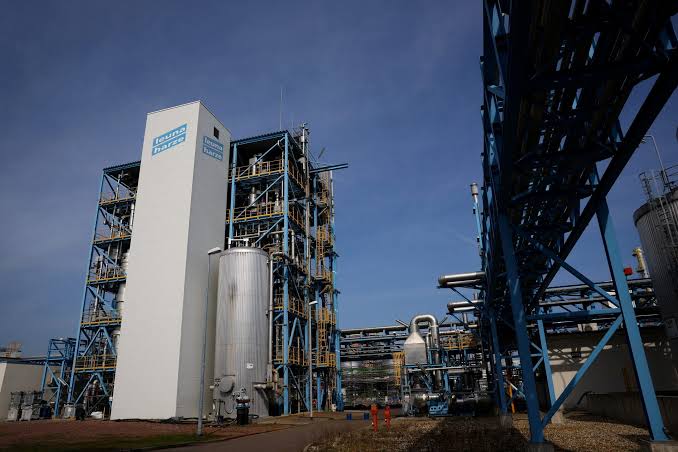
Looking Ahead
Germany's chemical transition debate increasingly has implications beyond traditional chemical subsectors.
Food-adjacent specialty ingredient producers operate within the same broader industrial environment and can be affected by energy prices, regulatory requirements, infrastructure costs, and international competition.
The key question for the sector is whether Germany and the wider European market can combine decarbonization with competitive manufacturing economics.
For food ingredient companies and procurement teams, monitoring this transition will remain important for understanding future European supply capacity, pricing, and sourcing opportunities.
Key Takeaways
Germany's chemical competitiveness challenges extend into food-adjacent specialty ingredients.
Energy costs can influence specialty ingredient manufacturing economics.
Regulatory complexity adds another layer of cost and operational requirements.
Specialty producers may respond through efficiency improvements, investment, diversification, or geographic changes.
Food ingredient buyers should monitor European plant capacity and policy developments.
International supplier diversification can improve resilience against regional cost pressures.
Found this useful?