Germany's Munich Site Anchors Again's European Biomanufacturing Operations
Germany’s Munich Site Anchors Again’s European Biomanufacturing Operations
Introduction
Danish industrial biotechnology company Again is expanding its European footprint with Munich serving as its commercial headquarters in Germany. The move adds a dedicated commercial base to the company's existing research and development operations in Copenhagen and engineering presence in Texas.
Again's official company profile confirms Munich as its Commercial HQ, while Copenhagen serves as its R&D base and Texas City as its engineering headquarters.
The development is significant because Munich places Again within one of Europe's established biotechnology and technology ecosystems while giving the company a strategic base for commercial growth across the region.
Munich Becomes Again’s Commercial Headquarters
Again lists Again Bio GmbH in Munich as its commercial headquarters. The company's current organizational structure separates commercial, research, and engineering functions across different locations.
This creates a three-part operating model:
Copenhagen: Research, biological development, and technology innovation
Munich: Commercial activities and European business development
Texas City: Engineering and industrial project execution
Again is also actively recruiting across Munich, Copenhagen, and Houston, indicating that the three-office structure is part of its continuing expansion rather than simply a nominal geographic presence.
Why Munich Matters for Industrial Biotechnology
Munich offers access to a mature life-sciences and innovation ecosystem.
The wider Munich-Martinsried area hosts biotechnology incubators, research institutions, startups, and specialized infrastructure. BioM highlights the region's biotechnology cluster and the role of organizations such as the Biotechnology Innovation and Start-up Centers in providing laboratory and office infrastructure for emerging companies.
For an industrial biotechnology company such as Again, this ecosystem can provide access to:
Biotechnology and computational talent
Research organizations
Industrial partners
Investors
Engineering expertise
Potential chemical customers
European business networks
The location therefore supports Again's commercial ambitions while keeping the company connected to a broader scientific and technology ecosystem.
From Copenhagen Research to European Commercialization
Again's scientific foundation remains strongly connected to Copenhagen.
Its first facility, CPH-1, has been operational since April 2023. The facility uses industrial CO₂ from a large-scale wastewater treatment plant operated by Biofos and has demonstrated the capacity to capture and convert up to approximately one tonne of industrial CO₂ per day. Again says the facility has provided operational data, process insights, and products that have supported its scale-up journey.
The Copenhagen operation therefore provides the technical foundation, while Munich can help translate those capabilities into commercial relationships and European market opportunities.
Again’s Biomanufacturing Model
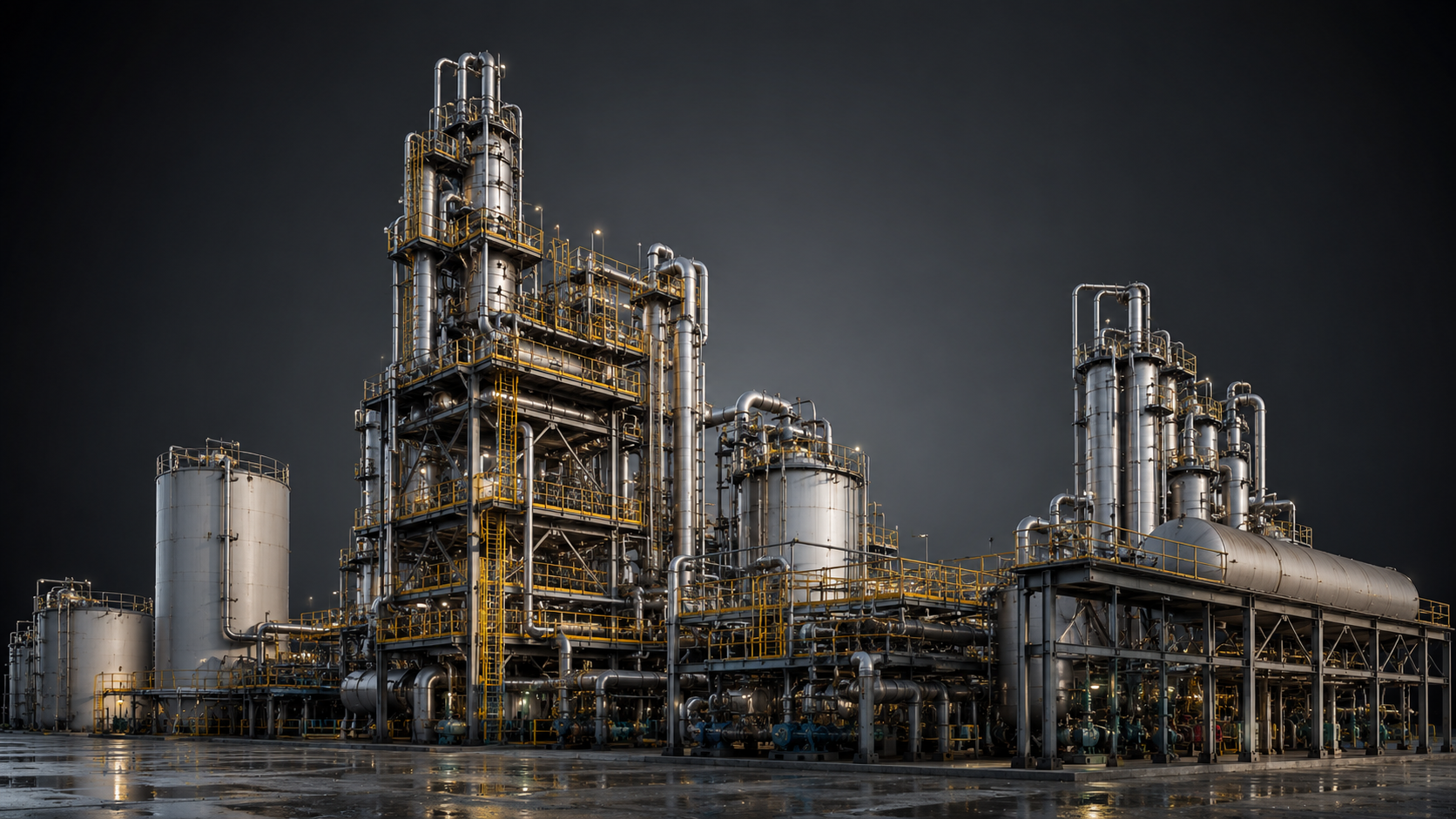
Again is developing an alternative approach to chemical manufacturing based on industrial CO₂ as a carbon feedstock.
The company's platform combines biological conversion with industrial fermentation to transform captured or waste CO₂ into chemical products. Its broader strategy is aimed at connecting biological innovation with existing industrial infrastructure rather than treating carbon utilization as a standalone laboratory technology.
The underlying concept can be summarized as:
Industrial CO₂ → Biological Conversion → Chemical Products
This approach attempts to turn carbon emissions into a useful raw material for chemical manufacturing.
Munich’s Role in European Expansion
The Munich headquarters becomes particularly relevant as Again moves from technology development toward broader commercial deployment.
Again's European operations already extend beyond Denmark. The company identifies NOR-1 in Norway as its second European facility, while CPH-1 provides operational experience from an existing industrial CO₂ utilization facility.
A commercial headquarters in Germany gives Again a central European base from which it can develop relationships with customers, industrial partners, investors, and other stakeholders.
This is particularly relevant for a company whose future projects may need to be located close to both concentrated CO₂ sources and chemical markets.
Building a Global Biomanufacturing Network
Again's operating footprint is becoming increasingly international.
Its structure can be viewed as:
Denmark → Germany → Norway → United States
Each location contributes to a different part of the company's development.
Copenhagen provides research and development capabilities. Munich supports commercial activity. Norway represents European project deployment, while Texas provides an engineering base for commercial-scale U.S. operations.
Again's Texas City operation is associated with TXS-1, its first commercial facility on U.S. soil, developed in partnership with Dow Chemical and HELM AG.
This geographically distributed model could become increasingly important as carbon-utilization projects are developed close to industrial emissions sources and downstream chemical markets.
The Texas Connection
Again's European commercial expansion is occurring alongside its U.S. development.
The company's TXS-1 project in Texas City is designed to demonstrate carbon-to-chemical production at commercial scale while integrating into existing industrial infrastructure. Again describes the project as its first commercial facility in the United States.
HELM AG is involved in product offtake and distribution, creating a connection between the Texas production site and chemical customers in local, regional, and international markets.
The combination of Munich and Texas therefore gives Again important commercial and engineering capabilities on both sides of the Atlantic.
Munich’s Growing Biotechnology Ecosystem
The choice of Munich also reflects the strength of the region's broader innovation environment.
Germany has continued to attract biotechnology investment, scientific talent, and commercial activity. Munich in particular benefits from established connections between academic research, startups, investors, and life-science companies.
Although Again operates primarily in industrial biotechnology rather than pharmaceutical biotechnology, many of the underlying capabilities overlap.
Industrial biotechnology increasingly depends on areas such as:
Computational biology
AI-assisted biological design
Synthetic biology
Fermentation engineering
Process optimization
Industrial chemistry
Data-driven R&D
Munich's broader technology ecosystem can therefore provide a useful talent and partnership pool for Again's expansion.
Commercialization Is the Next Challenge
For Again, establishing a Munich commercial headquarters is important, but the larger challenge remains commercial scale-up.
Industrial biotechnology companies must demonstrate more than biological feasibility. They need to prove that their processes can deliver:
Reliable production
Competitive costs
Consistent product quality
Efficient carbon utilization
Scalable operations
Long-term customer demand
Attractive economics for industrial partners
CPH-1 provides Again with operating experience, while projects such as NOR-1 and TXS-1 are intended to extend the technology into larger industrial applications.
The Munich commercial operation can help connect those technical developments with customers and markets.
Implications for the European Chemical Industry
Again's expansion could become relevant to European chemical manufacturers looking for alternatives to conventional fossil-derived feedstocks.
Carbon-utilization technologies could eventually provide new sources of carbon for products such as:
Acetic acid and acetate derivatives
Acetone
Organic intermediates
Specialty chemicals
Lower-carbon materials
The commercial significance will depend heavily on economics. Lower-carbon production must ultimately compete with established fossil-based routes on price, availability, quality, and reliability.
However, companies seeking to reduce product carbon footprints may create additional demand for alternative production pathways.
Implications for Chemical Buyers
For procurement teams, Again's European expansion could eventually create new sourcing opportunities.
As commercial production develops, buyers may increasingly evaluate chemicals based not only on traditional factors such as price and specifications but also on carbon origin and production pathway.
Potential procurement considerations include:
Recycled or alternative carbon content
Product carbon footprint
Origin of CO₂ feedstock
Supply reliability
Certification
Price competitiveness
Geographic availability
Lifecycle emissions
A Munich commercial headquarters could help Again establish closer relationships with European chemical buyers evaluating lower-carbon alternatives.
Why the Munich Office Is Strategically Important
The Munich site should not be viewed simply as another corporate office.
It represents part of Again's transition from a primarily research-driven biotechnology company toward a globally integrated industrial platform.
The structure separates and strengthens three critical functions:
Scientific innovation → Commercial development → Industrial execution
Copenhagen develops the technology, Munich connects it with commercial markets, and Texas supports engineering and industrial deployment.
This model could become increasingly valuable as Again expands its portfolio of carbon-derived chemical projects.
Outlook
Again's Munich operation gives the company a strategic foothold in one of Europe's important biotechnology and technology regions.
Its importance will ultimately depend on how effectively the commercial team can turn the company's technology and growing project portfolio into long-term industrial partnerships and customer demand.
With CPH-1 already operational, additional European development underway, and TXS-1 supporting U.S. commercial expansion, Again is building a broader international platform rather than relying on a single European facility.
The Munich headquarters could therefore become an important bridge between Again's Scandinavian research base and the wider European chemical market.
Conclusion
Germany's Munich site represents an important component of Again's growing international biomanufacturing strategy.
By establishing Munich as its commercial headquarters, Again gains a strategic base within a strong European biotechnology ecosystem while maintaining its R&D operations in Copenhagen and engineering capabilities in Texas.
The broader strategy reflects the changing structure of industrial biotechnology. Scientific discovery alone is not enough; companies must connect biological innovation with engineering, commercial partnerships, financing, and large-scale manufacturing.
If Again successfully integrates these capabilities across Copenhagen, Munich, Norway, and the United States, its German commercial operation could play an important role in transforming the company from a Danish biotechnology venture into a global platform for CO₂-based chemical manufacturing.

Acrylic Acid (99.5%) - China
Found this useful?