Germany's Petrochemical Output Decline Forecast Deepens Industry Concern
The Verband der Chemischen Industrie (VCI) forecasts a 1.5 percent decline in German chemical output for 2026. This stark projection intensifies existing concerns regarding the long term competitiveness of the European petrochemical sector.
Procurement managers and chemical traders must urgently reassess their European sourcing strategies to mitigate upcoming disruptions. A sustained contraction in Germany directly impacts the reliable availability of essential base chemicals and advanced polymer precursors.
Buyers relying heavily on Central European supply chains now face mounting risks of volume shortages and severe pricing volatility. Proactive supply chain diversification is no longer an optional strategy for modern industrial consumers.
Navigating this structural shift requires immediate strategic planning and robust supplier relationship management. Key intermediates such as ethylene, propylene and benzene face the most severe production constraints.
Understanding the 2026 German Petrochemical Output Decline
The VCI data highlights a persistent structural challenge for the German chemical industry. High energy costs continue to erode the profit margins of domestic manufacturers.
Many facilities operate at a competitive disadvantage compared to regions with abundant natural resources. Regulatory burdens further complicate operational planning for large scale chemical plants.
Strict environmental mandates require massive capital investments that delay production expansions. Consequently, manufacturers are scaling back output or relocating production facilities to more favorable jurisdictions.
This 1.5 percent decline represents a continuation of a multi year downward trend. The German chemical sector has struggled to regain its pre pandemic production volumes.
Buyers must recognize this contraction as a permanent market shift rather than a temporary cyclical downturn. The Verband der Chemischen Industrie represents over 1,800 chemical companies across the region.
Their collective data provides a highly reliable indicator of broader industrial health. This sustained contraction directly threatens the employment of thousands of skilled chemical engineers and plant operators.
Key Price Drivers Impacting European Chemical Competitiveness
Several macroeconomic factors directly influence the pricing and availability of European petrochemicals. Procurement teams must monitor these variables closely to forecast budget impacts accurately.
Elevated energy costs: Industrial electricity and natural gas prices in Europe remain significantly higher than in North America or the Middle East. This disparity forces manufacturers to pass utility costs directly to buyers. Energy intensive processes like steam cracking become economically unviable under current market conditions.
Feedstock scarcity: Naphtha and other primary petrochemical feedstocks face tight global supply. Limited regional refining capacity exacerbates this shortage and drives up raw material expenses. Importers must compete with Asian buyers for every available cargo of light hydrocarbons.
Carbon pricing mechanisms: The European Union Emissions Trading System imposes strict financial penalties on high carbon operations. These compliance costs inflate the final price of domestically produced chemicals. Facilities must purchase expensive carbon credits to offset their unavoidable industrial emissions.
Logistical bottlenecks: Inland waterway disruptions and rail network constraints frequently delay chemical shipments. These transportation hurdles add unexpected freight premiums to already strained supply chains. Low water levels on the Rhine River routinely halt barge traffic during summer months.
Supply Chain Risks for Global Chemical Buyers
A shrinking domestic output creates immediate vulnerabilities for downstream manufacturers. Companies relying on just in time inventory models face severe disruption risks.
German suppliers may enforce strict allocation protocols during periods of peak demand. Buyers without long term contractual commitments risk sudden order reductions.
Chemical distributors often prioritize long standing clients during periods of extreme scarcity. New or smaller buyers may find themselves completely excluded from the spot market.
Force majeure declarations become more frequent when facilities operate below optimal capacity. Quality consistency may also face pressure as producers attempt to maximize throughput from aging infrastructure.
Rushed maintenance schedules increase the likelihood of off specification batches reaching the market. Procurement professionals must update their supply risk registers to reflect this new reality.
Identifying single points of failure within the European supply chain is a critical first step. Organizations must develop comprehensive contingency plans to handle potential material shortages.
Regional Market Deep Dive: Shifting Production Hubs
Global chemical production is actively migrating toward regions with structural cost advantages. The United States continues to attract major investments due to abundant shale gas resources.
Middle Eastern producers leverage low cost hydrocarbon feedstocks to maintain dominant export positions. Asian markets are rapidly expanding their petrochemical capacities to serve local demand.
Countries like China and India are building world scale facilities with integrated supply chains. This geographic shift fundamentally alters global trade flows for essential chemical intermediates.
Asian producers benefit from massive domestic demand and supportive government industrial policies. European buyers must increasingly look beyond regional borders to secure reliable volumes.
Importing chemicals from Asia or the Americas requires careful logistical planning and robust customs expertise. Buyers must factor extended transit times and maritime freight volatility into their total procurement budgets.
Strategic Sourcing Alternatives for Procurement Teams
Adapting to the German output decline requires decisive action from purchasing departments. Procurement leaders must diversify their supplier portfolios across multiple geographic regions.
Relying on a single country for critical chemical inputs introduces unacceptable operational risk. Establishing direct relationships with producers in emerging chemical hubs provides a viable alternative.
These regions often offer competitive pricing and aggressive capacity expansion plans. Buyers should evaluate the total cost of ownership when comparing domestic and international suppliers.
Long term offtake agreements provide essential stability in a tightening market. Locking in volume allocations and index based pricing protects organizations from sudden market spikes.
These contracts should include clear force majeure definitions to protect both parties during unforeseen disruptions. Regular business reviews ensure both parties remain aligned on evolving market conditions.
Open communication channels help resolve minor logistical issues before they escalate into major supply failures.
The Role of Regulatory Compliance in Sourcing Decisions
Sourcing chemicals internationally introduces complex regulatory considerations for European buyers. Importers must ensure all products comply with strict REACH registration requirements.
Failure to maintain proper documentation can result in severe customs delays and financial penalties. The Carbon Border Adjustment Mechanism will soon impose additional costs on imported carbon intensive goods.
Procurement teams must request detailed lifecycle emission data from all potential suppliers. Accurate reporting protects the buying organization from future regulatory liabilities and unexpected tax burdens.
Third party sustainability certifications provide necessary validation for these environmental claims. Buyers should prioritize suppliers who demonstrate transparent and auditable green chemistry practices.
This proactive approach safeguards corporate reputation and ensures seamless market access across all global jurisdictions.
What Buyers Should Do Now
Chemical procurement teams must execute immediate strategic reviews of their European supply chains. The window for securing favorable long term agreements with alternative suppliers is narrowing rapidly.
Audit your current vendor portfolio to identify critical vulnerabilities and single points of failure. Engage alternative producers in North America and Asia to build redundant supply pathways.
Update internal forecasting models to reflect sustained market tightness and higher baseline material costs. Collaborate closely with internal research and development teams to explore formulation optimizations.
Substituting scarce European chemicals with alternative global equivalents can maintain product performance while reducing supply risk. Reducing chemical consumption per unit of final product directly mitigates supply chain exposure.
Proactive planning will separate resilient organizations from those caught off guard by market volatility. Secure your supply chain and optimize your manufacturing operations today.
Ready to source propylene oxide from verified global suppliers? Explore competitive offers on our platform today.
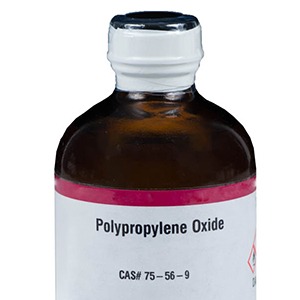
Propylene Oxide
Found this useful?