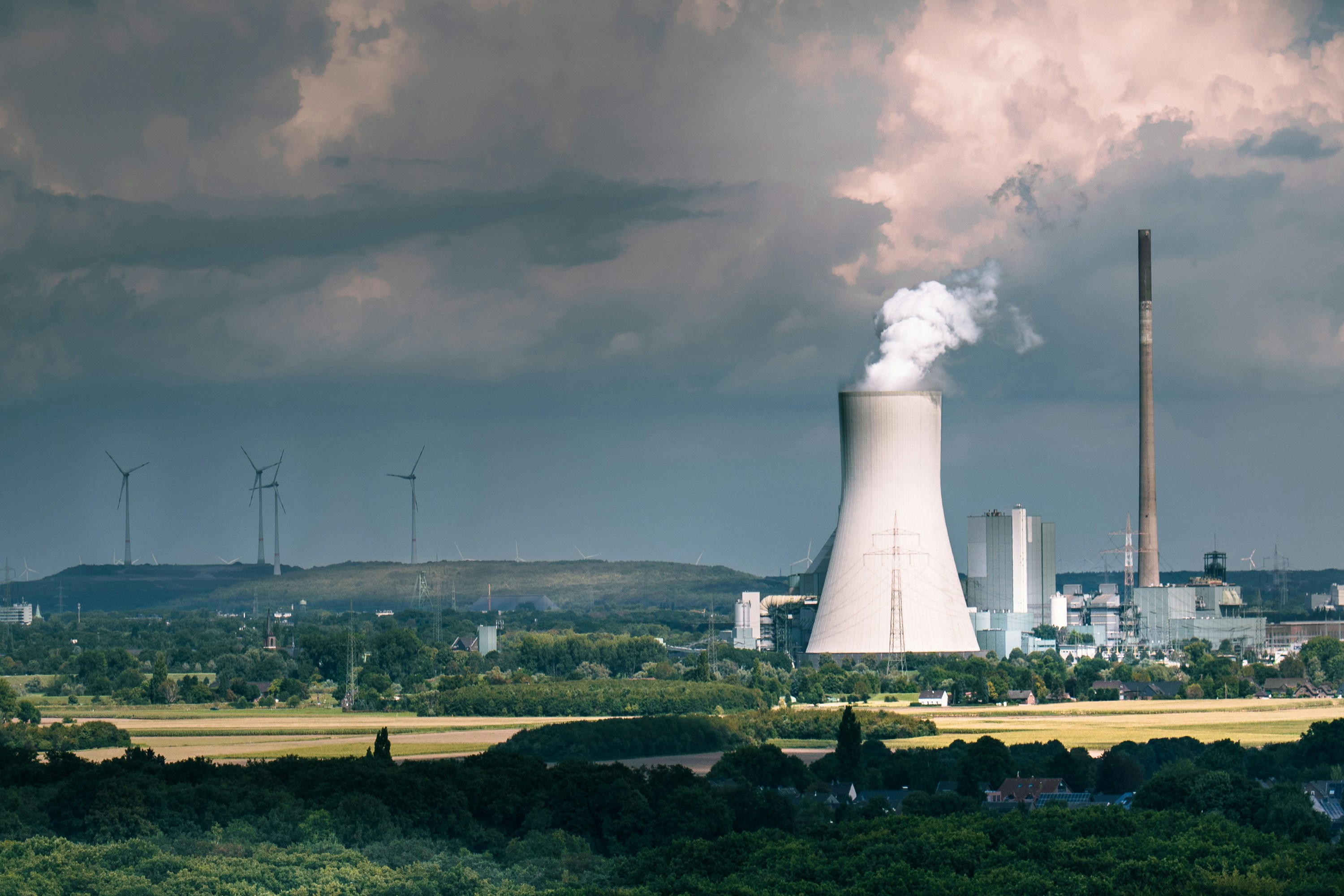
Germany's VCI Continues Forecasting Chemical Sector Stagnation
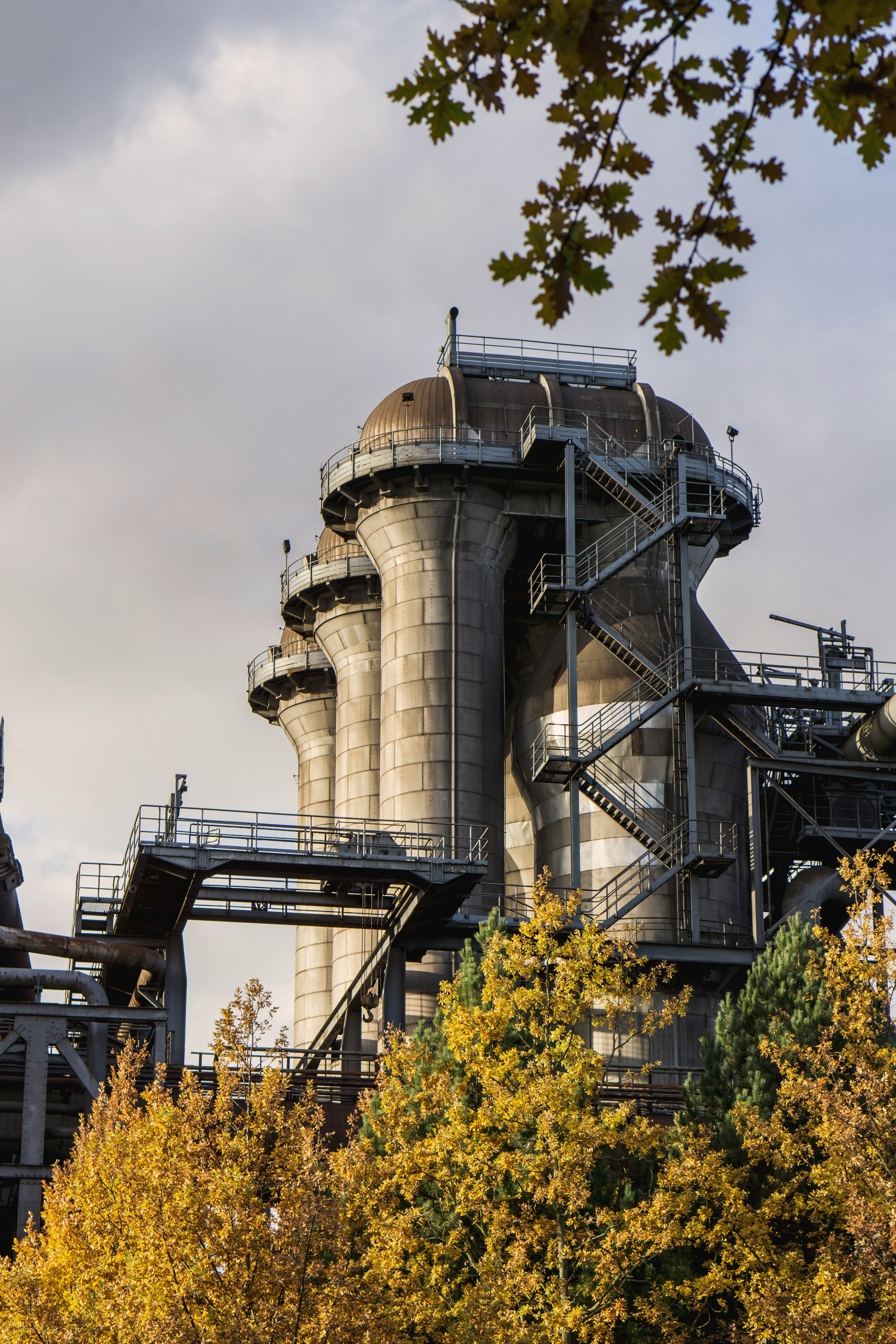
Germany’s VCI Continues Forecasting Chemical Sector Stagnation
Introduction
Germany’s chemical industry continues to face a difficult operating environment, with the German Chemical Industry Association (VCI) warning that a sustained recovery remains out of sight. The latest industry assessment points to weak production, declining sales, falling investment, high operating costs, and intense international competition.
The chemical sector is particularly important to Germany because it supplies critical materials to industries including automotive, construction, agriculture, pharmaceuticals, packaging, and manufacturing. Prolonged weakness in chemicals therefore has implications well beyond the sector itself.
VCI Sees No Sustainable Recovery
According to the VCI’s latest first-half 2026 review, Germany’s chemical and pharmaceutical industry has not yet achieved a sustainable recovery. Production during the first half of 2026 remained around 3% below the previous year, while industry sales declined by 1% to €106 billion.
Although the first half was somewhat better than the second half of 2025, the VCI considers the improvement temporary rather than the beginning of a structural turnaround.
The association expects production for the full year, including pharmaceuticals, to decline by approximately 1.5% in 2026.
High Costs Continue to Pressure Producers
One of the biggest challenges facing German chemical manufacturers is the high cost of operating in Europe.
Energy and raw-material costs remain elevated, while transportation expenses have also increased. These pressures are particularly important for chemical producers because many manufacturing processes are energy-intensive and depend heavily on feedstocks such as natural gas and oil-derived materials.
The situation has been further complicated by geopolitical instability and disruptions affecting global energy and logistics markets. The VCI reported that the Middle East conflict has increased costs for energy, raw materials, and transportation.
Weak Demand and Low Capacity Utilization
Cost pressure is occurring at the same time as weak demand.
Many German chemical plants continue to operate below economically attractive utilization levels. During the first quarter of 2026, capacity utilization in the chemical and pharmaceutical industry was only 75.1%, which the VCI described as remaining below a profitable level.
Low utilization makes it more difficult for producers to spread fixed costs across larger production volumes. As a result, companies can face margin pressure even when their plants remain operational.
Weak sales volumes are therefore becoming just as important as energy costs in determining the industry's profitability.
Investment Declines for a Third Consecutive Year
Perhaps the most concerning development is the continued decline in investment.
The VCI reported that investment in the German chemical and pharmaceutical industry fell for the third consecutive year. Capital expenditure is now around 15% below its 2023 level, according to the association.
This trend raises concerns about Germany’s long-term industrial competitiveness.
Chemical companies require significant investment in production facilities, energy efficiency, digitalization, research, and decarbonization. If companies increasingly choose to invest outside Germany, the country could gradually lose production capacity and technological advantages.
Asia Increasingly Attracts Investment
Another major concern for the VCI is the changing geography of global chemical investment.
The association says that international competition, particularly from Asia, continues to weigh on German producers. Investment and research activities are increasingly being located outside Germany, while European producers face competition from lower-cost production regions.
This shift is important because chemical companies tend to build new capacity where energy, feedstock, labor, infrastructure, and regulatory conditions provide the strongest long-term economics.
For Germany, maintaining an attractive investment environment is therefore becoming increasingly important.
Exports Remain Weak
Germany’s chemical industry has historically relied heavily on exports, making international demand a critical source of growth.
However, the VCI reported that exports remain weak despite some stabilization in domestic business during the first half of 2026. Production and sales volumes also remain significantly below their 2021 levels.
This creates a difficult combination for producers: domestic demand is not strong enough to compensate for weak export markets, while international competitors continue to pressure prices.
Geopolitical Events Provide Only Temporary Relief
Interestingly, some recent geopolitical developments have temporarily changed competitive conditions.
The VCI noted that companies increased inventories because of concerns about supply disruptions linked to the conflict in the Gulf region. At the same time, competition from Asia temporarily eased because disruptions around the Strait of Hormuz affected international supply chains.
However, the VCI does not consider these developments evidence of a lasting recovery.
Instead, they have created a temporary improvement in certain areas while introducing additional uncertainty and costs elsewhere.
Rhine River Disruptions Add Another Challenge
Germany’s chemical sector is also facing immediate logistical pressure from historically low water levels on the Rhine River, one of Europe’s most important industrial transport routes.
Recent disruptions have made the movement of chemicals, fuels, and raw materials more difficult, forcing companies to consider more expensive alternatives such as road and rail transportation. Covestro has declared force majeure for some products, while Evonik has also experienced reduced cargo movements.
For chemical manufacturers, these logistics problems can translate directly into higher freight costs, delayed deliveries, and supply-chain uncertainty.
Implications for Chemical Buyers
The prolonged weakness in Germany’s chemical industry could have important implications for procurement teams.
Buyers should closely monitor:
Production cuts and plant closures
Capacity-utilization rates
Energy and feedstock costs
Rhine logistics and freight availability
European import competition
Investment and capacity relocation
Changes in export volumes
Potential supply disruptions
A prolonged period of low production could eventually tighten availability for certain products if producers reduce capacity or permanently close less competitive facilities.
At the same time, weak demand can create opportunities for buyers to negotiate competitive prices for products where supply remains abundant.
What This Means for Europe’s Chemical Industry
Germany is Europe's largest chemical manufacturing base, meaning its problems have broader implications for the European chemical sector.
If high energy costs, regulation, weak demand, and international competition continue to discourage investment, European chemical producers could increasingly shift new capacity toward regions with lower production costs.
This could gradually alter global supply chains and increase Europe's dependence on imported chemicals and intermediates.
The VCI is therefore calling for structural reforms aimed at strengthening Germany as an industrial location rather than relying on temporary improvements in market conditions.
Outlook
The outlook for Germany’s chemical sector remains cautious.
The VCI expects production to fall by 1.5% in 2026, while many companies anticipate difficult business conditions in the coming months. Rising costs, weak sales volumes, international competition, and geopolitical uncertainty continue to weigh on profitability.
The association has also indicated that it is difficult to provide additional forecasts because of the highly volatile geopolitical environment.
A meaningful recovery will likely depend on several factors, including stronger European industrial demand, improved energy competitiveness, greater investment, stable supply chains, and improved competitive conditions for German manufacturers.
Conclusion
Germany’s chemical industry remains caught between weak demand, high costs, international competition, and declining investment. The VCI’s latest assessment suggests that the modest improvement seen during the first half of 2026 is not yet enough to signal a genuine recovery.
With production expected to decline by around 1.5% for the full year and investment falling for a third consecutive year, the sector faces a structural challenge rather than simply a temporary downturn.
For chemical producers and buyers alike, Germany’s industrial competitiveness will remain an important market indicator. The direction of energy costs, investment, production capacity, logistics, and global trade flows will determine whether the sector can eventually move from stagnation toward sustainable growth.
Beet Pulp
Found this useful?