Global Caustic Soda Market Report: Demand, Production and Trade Analysis
Caustic soda is one of the most widely used industrial chemicals, supporting essential manufacturing activities across aluminium, textiles, pulp and paper, detergents, water treatment and chemical processing. Also known as sodium hydroxide, this versatile alkali plays a central role in converting raw materials into products used throughout modern industrial supply chains.
The global caustic soda market continues to evolve as production capacity, electricity costs, downstream consumption and international trade patterns influence supply availability. Asia-Pacific, particularly China, holds a significant position in global manufacturing, while North America, Europe and the Middle East remain important production and trading regions.
For chemical importers, exporters, distributors and procurement managers, understanding these developments helps identify competitive sourcing opportunities and manage purchasing risks. Production economics, chlor-alkali plant operating rates, shipping costs and regional demand differences all influence the commercial attractiveness of caustic soda.
What Is Caustic Soda and Why Is It Important?
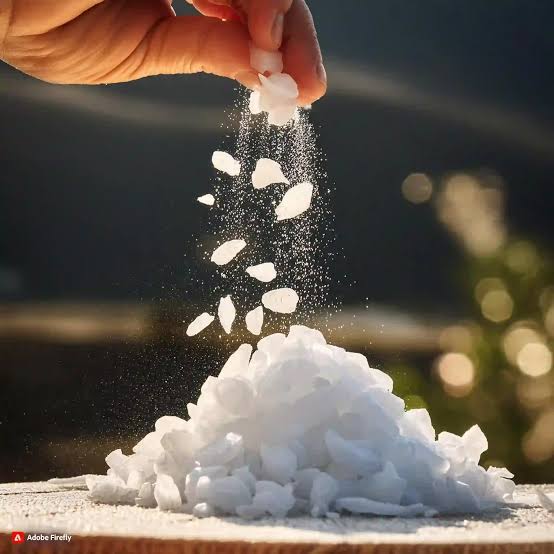
Caustic soda, chemically known as sodium hydroxide, has the formula NaOH and CAS number 1310-73-2. It is a highly alkaline inorganic compound available in liquid and solid forms.
Industrial buyers generally purchase caustic soda as liquid sodium hydroxide, flakes, pearls or solid blocks. Concentration and physical form depend on the application, transportation arrangements and handling requirements.
Major Commercial Forms
Liquid Caustic Soda: Commonly supplied as an aqueous solution, particularly at 32% and 50% concentrations. It is widely used in large-scale industrial processes where liquid chemical handling infrastructure exists.
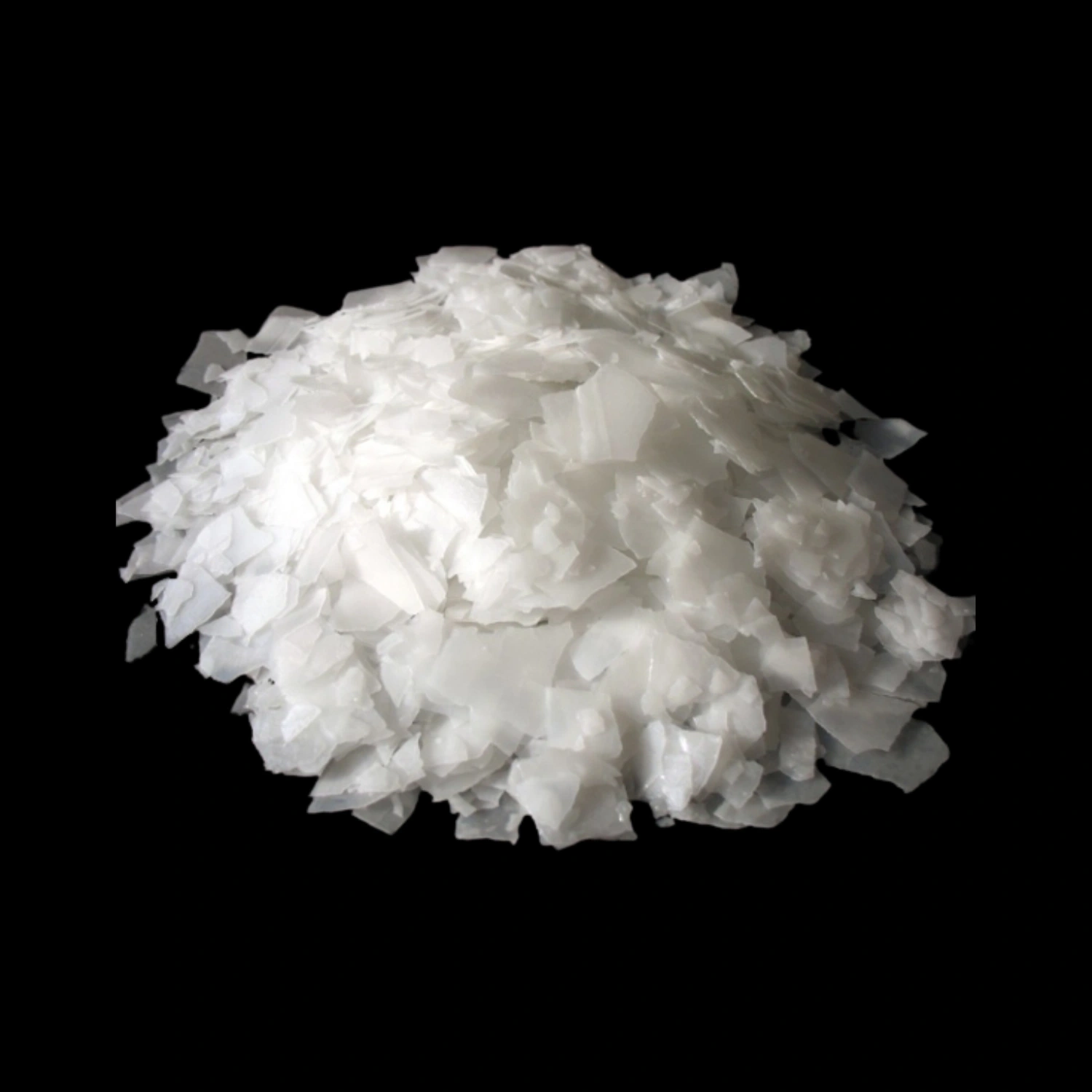
Caustic Soda Flakes: White solid flakes with high sodium hydroxide concentration, generally around 98% to 99%. They are suitable for industrial applications requiring concentrated solid alkali.
Caustic Soda Pearls: Small, rounded solid particles that offer convenient handling and dosing for selected manufacturing operations.
These forms serve different procurement requirements. Buyers should consider concentration, purity, packaging and transportation costs before selecting a product.
Global Caustic Soda Production and Manufacturing Process
Caustic soda production takes place primarily through the chlor-alkali process, which involves the electrolysis of sodium chloride solution, commonly known as brine.
The process generates three commercially important products: sodium hydroxide, chlorine and hydrogen.
According to India's NITI Aayog, the global chlor-alkali industry produces more than 80 million tonnes of caustic soda annually. This production base supports industries ranging from aluminium refining to pharmaceuticals and water treatment.
How the Chlor-Alkali Process Works
Manufacturers first prepare purified brine by dissolving salt in water and removing impurities that could interfere with electrolysis.
The brine then passes through an electrolytic cell, where electrical energy separates the chemical components.
The overall reaction is:
2NaCl + 2H₂O → 2NaOH + Cl₂ + H₂
The resulting sodium hydroxide solution undergoes further processing to achieve the required commercial concentration.
Main Production Technologies
Three established technologies support industrial caustic soda manufacturing:
Membrane Cell Technology: This widely adopted modern process uses a selective membrane to separate the anode and cathode compartments. It offers high product purity and generally lower electricity consumption than older technologies.
Diaphragm Cell Technology: This process uses a porous separator between the compartments. The resulting sodium hydroxide solution requires additional concentration and purification.
Mercury Cell Technology: This older technology uses mercury as part of the electrolysis system. Environmental and regulatory concerns have driven its phase-out in many markets.
The membrane process has become increasingly important as producers focus on energy efficiency, product quality and environmental performance.
Why Electricity Costs Matter
Electricity represents one of the most important production expenses in the chlor-alkali industry.
Because electrolysis requires substantial electrical energy, producers in regions with high electricity prices can face higher manufacturing costs.
Another important consideration is the simultaneous production of chlorine. Manufacturers cannot freely adjust caustic soda output without considering chlorine demand and storage limitations.
This relationship between the two products influences plant operating rates and can create regional supply imbalances.
Major Industrial Applications Driving Caustic Soda Demand
Caustic soda serves a broad range of industries because of its strong alkaline properties and ability to dissolve, neutralise and chemically process different materials.
1. Aluminium and Alumina Production
The aluminium industry represents one of the most important consumption sectors.
Manufacturers use caustic soda in the Bayer process to extract alumina from bauxite ore. The chemical dissolves aluminium-containing compounds, allowing alumina to be separated from other materials.
Alumina subsequently serves as the primary feedstock for aluminium production.
Demand from construction, automotive, packaging and transportation industries therefore influences caustic soda consumption through the aluminium supply chain.
2. Pulp and Paper Manufacturing
Paper manufacturers use caustic soda during pulping and other processing stages.
Its applications include:
Breaking down lignin during chemical pulping.
Supporting cellulose fibre processing.
Removing unwanted organic materials.
Adjusting pH during selected production stages.
Processing recycled paper materials.
Demand for packaging, tissue products and industrial paper supports continued consumption across this sector.
3. Textile and Fabric Processing
Textile manufacturers use caustic soda in several important production operations.
One major application is mercerisation, a treatment process used primarily for cotton fabrics and yarns. It improves selected fabric properties, including lustre, dimensional stability and dye absorption.
Other applications include scouring, cleaning and preparation of textile materials before dyeing and finishing.
4. Soap and Detergent Production
Sodium hydroxide is an essential raw material in traditional soap manufacturing.
It reacts with fats and oils through a process known as saponification, producing soap and glycerine.
Detergent and cleaning product manufacturers also use caustic soda in selected formulations and production processes.
5. Water Treatment and Chemical Manufacturing
Water treatment facilities use caustic soda to adjust pH levels and neutralise acidic water.
Other industrial applications include:
Manufacturing inorganic chemicals.
Producing sodium-based compounds.
Processing petroleum and petrochemical products.
Cleaning industrial equipment.
Controlling acidity in wastewater treatment.
The diversity of these applications provides caustic soda with a broad industrial demand base.
Global Trade Developments and Major Producing Regions
International caustic soda trade connects major production centres with industrial markets that depend on imported material.
The global supply network includes significant producers in China, the United States, India, Japan, South Korea and several Middle Eastern countries.
China: A Major Global Production Centre
China holds a leading position in global caustic soda manufacturing.
Its large chlor-alkali industry supplies domestic consumers across alumina, textiles, chemicals, detergents and other industrial sectors.
Production capacity additions and domestic demand conditions influence China's export availability. When domestic consumption cannot absorb available production, exporters may offer additional material to international buyers.
Chinese suppliers are particularly relevant to importers purchasing caustic soda flakes and pearls.
United States: An Important Export Supplier
The United States benefits from established chlor-alkali infrastructure and access to industrial feedstocks.
Its producers supply domestic industries and international customers, particularly in markets connected through established bulk chemical shipping routes.
Production disruptions and changes in plant operating rates can influence export availability and international prices.
Middle East: Competitive Production Economics
Countries in the Middle East benefit from established industrial infrastructure and access to competitive energy resources in some markets.
Saudi Arabia and other regional producers contribute to international chlor-alkali supply.
The region's geographical position also supports trade with Asian, African and European markets.
India and Southeast Asia
India maintains a substantial domestic chlor-alkali industry and serves a wide range of industrial consumers.
According to NITI Aayog, Indian caustic soda production exceeded 3.6 million tonnes in 2024, placing the country among the world's leading producers.
Southeast Asian countries also participate in regional manufacturing and distribution, creating additional sourcing options for importers.
Aluminium and Alumina Production
Aluminium refining is one of the most important applications of caustic soda.
Manufacturers use sodium hydroxide in the Bayer process to extract alumina from bauxite ore. The chemical dissolves aluminium-containing compounds, allowing manufacturers to separate alumina from other mineral components.
Alumina subsequently serves as the primary raw material for aluminium production.
Demand from construction, automotive manufacturing, packaging and transportation therefore supports caustic soda consumption through the aluminium value chain.
Pulp and Paper Manufacturing
Paper manufacturers use caustic soda during chemical pulping, fibre processing and selected bleaching operations.
Its major applications include:
Breaking down lignin during chemical pulping.
Processing cellulose fibres.
Supporting recycled paper treatment.
Adjusting pH during manufacturing.
Removing unwanted organic materials.
Growth in packaging materials, tissue products and industrial paper supports consumption in this sector.
Textile and Fabric Processing
Caustic soda plays an important role in cotton processing, particularly through mercerisation.
This treatment improves selected fabric properties, including lustre, dimensional stability and dye absorption.
Textile manufacturers also use sodium hydroxide in scouring, cleaning and preparation operations before dyeing and finishing.
Soaps and Detergents
Caustic soda is a fundamental raw material in traditional soap manufacturing.
It reacts with fats and oils through saponification, producing soap and glycerine.
Detergent manufacturers also use sodium hydroxide in selected formulations, industrial cleaning products and chemical processing operations.
Water Treatment and Chemical Manufacturing
Municipal and industrial water treatment facilities use caustic soda to adjust pH and neutralise acidic wastewater.
Other important applications include:
Petroleum refining and processing.
Manufacturing inorganic chemicals.
Production of sodium-based compounds.
Industrial equipment cleaning.
Pharmaceutical and specialty chemical manufacturing.
The diversity of these applications provides the market with a broad industrial demand base.
Regional Production and International Trade Analysis
International caustic soda trade connects major manufacturing centres with industrial markets that lack sufficient domestic production.
China, the United States, India, Japan, South Korea and Middle Eastern countries all contribute to global supply.
China: Production Expansion and Export Competition
China remains a major influence on global caustic soda supply.
Its extensive chlor-alkali industry supports downstream aluminium, textile, paper and chemical manufacturing.
Additional production capacity can increase domestic availability and create export opportunities when domestic consumption does not absorb the full output.
Chinese manufacturers are particularly relevant to international buyers sourcing caustic soda flakes and pearls.
United States: Important Export Supplier
The United States benefits from established chlor-alkali manufacturing infrastructure and industrial feedstock availability.
Its producers supply domestic chemical manufacturers and international customers.
However, plant shutdowns and maintenance activities can temporarily reduce export availability.
S&P Global reported in February 2026 that production problems at a Texas facility contributed to tighter US supply and higher export prices, encouraging European buyers to explore alternative Asian suppliers.
Europe: Energy Costs and Import Dependence
European manufacturers face significant competition from producers with lower energy costs.
Electricity expenses, plant operating economics and capacity adjustments influence domestic production.
Consequently, imported caustic soda remains important for maintaining supply to European industrial consumers.
India and the Middle East
India maintains a substantial domestic chlor-alkali industry, supported by demand from alumina, textiles, chemicals and other manufacturing sectors.
The Middle East also contributes to global production and trade through established chemical manufacturing infrastructure.
Regional proximity gives Middle Eastern suppliers access to important markets in Asia, Africa and Europe.
Factors Influencing Caustic Soda Prices
Caustic soda prices depend on production costs, regional supply balances, downstream demand and transportation expenses.
For procurement professionals, understanding these influences helps identify favourable purchasing opportunities.
Electricity and Energy Costs
Electricity is a major expense in caustic soda manufacturing.
Higher power prices can increase production costs and influence the competitiveness of regional producers.
Natural gas prices can also influence energy economics and the availability of industrial feedstocks.
Chlorine Market Conditions
The connection between chlorine and caustic soda production creates an important pricing relationship.
If chlorine demand increases, manufacturers may maintain higher operating rates, potentially increasing caustic soda availability.
Weak chlorine consumption can have the opposite effect, resulting in lower plant utilisation and tighter sodium hydroxide supply.
Production Capacity and Plant Maintenance
New manufacturing facilities can improve supply availability and increase competition between exporters.
However, unexpected shutdowns, scheduled maintenance and operational problems may temporarily restrict production.
Buyers should monitor major production centres rather than relying only on published annual capacity figures.
Freight and International Trade Policies
Shipping costs influence the delivered price of imported caustic soda.
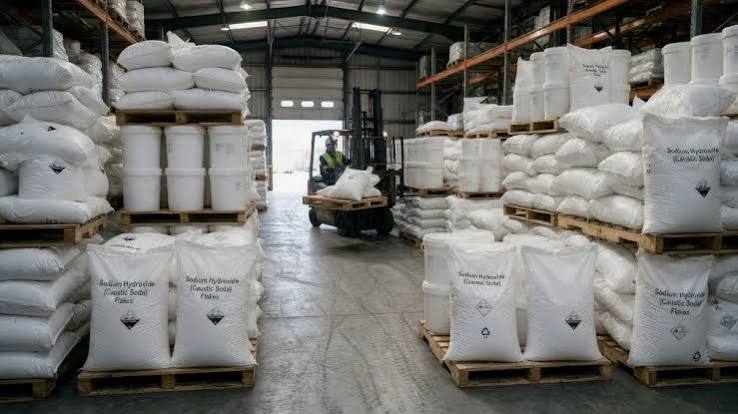
Liquid caustic soda requires appropriate chemical tankers and receiving infrastructure, while flakes and pearls offer greater flexibility through containerised transportation.
Import duties, anti-dumping measures and other trade restrictions can also influence supplier selection and purchasing costs.
Global Caustic Soda Market Outlook for 2026 and Beyond
The market outlook reflects expanding production in Asia, changing industrial demand and continuing regional differences in manufacturing costs.
Grand View Research estimates that the global caustic soda market reached USD 49.2 billion in 2025 and could reach USD 71 billion by 2033, representing a projected compound annual growth rate of 4.8% during 2026–2033.
These market value projections reflect revenue estimates rather than physical production volumes.
Asia-Pacific Demand Growth
Asia-Pacific is expected to remain the leading regional market.
China's manufacturing base and India's expanding industrial requirements support consumption across aluminium, textiles, chemicals and paper production.
However, expanding Chinese production capacity could increase export competition if domestic consumption grows more slowly than supply.
North American Market Conditions
North American manufacturers benefit from established production infrastructure and access to industrial feedstocks.
Plant reliability, domestic consumption and electricity economics will influence export availability.
Production disruptions can create temporary supply tightness, particularly for buyers dependent on US-origin material.
European Market Developments
European producers continue to manage elevated energy expenses and competitive pressure from international suppliers.
Changes in domestic capacity and import availability will influence regional prices and purchasing strategies.
Buyers may increasingly evaluate Asian and North American supply depending on freight economics and product specifications.
Environmental and Energy Efficiency Developments
Manufacturers are increasingly focusing on membrane cell technology and more efficient production systems.
Improvements in electricity consumption, process efficiency and environmental management can strengthen producer competitiveness.
These investments will also influence the long-term structure of the global chlor-alkali industry.
What Global Caustic Soda Buyers Should Consider
International procurement requires careful assessment of product specifications, supplier reliability and total delivered cost.
The appropriate commercial form depends on the buyer's production process and storage infrastructure.
Product Selection and Quality Verification
Common commercial purchasing options include:
Liquid Caustic Soda: Often supplied at 32% or 50% concentration for large-scale industrial applications.
Caustic Soda Flakes: Typically supplied at approximately 98% to 99% concentration, suitable for buyers requiring solid alkali.
Caustic Soda Pearls: Small solid particles used in selected industrial formulations and chemical processing applications.
Before placing an order, buyers should verify concentration, purity, appearance and relevant impurity limits.
A Certificate of Analysis (COA) and Safety Data Sheet (SDS) should accompany the product documentation.
Supplier and Logistics Evaluation
Procurement teams should consider:
Supplier credentials and export experience.
Manufacturing origin and product specifications.
Packaging compatibility and container condition.
Freight charges and insurance expenses.
Delivery schedules and port availability.
Applicable import duties and regulatory requirements.
Payment terms and contractual responsibilities.
Comparing suppliers on total landed cost provides a more accurate purchasing assessment than comparing FOB prices alone.
Storage and Safe Handling
Caustic soda is highly corrosive and can cause severe skin burns and eye damage.
Its dissolution in water releases significant heat, so industrial users must follow appropriate dilution and handling procedures.
Suitable precautions include chemical-resistant protective equipment, compatible storage containers, appropriate ventilation and trained handling personnel.
Solid caustic soda should remain protected from moisture, while liquid products require suitable storage tanks and transfer equipment.
The Future of the Global Caustic Soda Industry
The global caustic soda market will remain closely connected to the performance of aluminium, paper, textile, detergent and chemical manufacturing industries.
Asia-Pacific is expected to maintain its dominant position, while production economics in North America, Europe and the Middle East will continue to influence international trade.
Expanding capacity could improve supply availability, but electricity prices, chlorine demand and regional logistics will determine how much material reaches export markets.
For chemical traders and procurement managers, successful sourcing will depend on understanding regional market differences, monitoring production developments and maintaining relationships with reliable suppliers.
Businesses that prioritise product quality, competitive landed costs and consistent delivery arrangements will be better positioned to manage changing market conditions. Ready to source caustic soda from verified global suppliers? Explore competitive offers on our platform today.
Caustic Soda Flakes
Found this useful?