
Global Chemical Industry Outlook 2027: Trends and Opportunities
The global chemical industry is approaching 2027 at a time when traditional production models, international trade patterns and industrial demand are undergoing significant changes. Manufacturers are reassessing their operations while buyers are placing greater importance on reliable suppliers, competitive pricing and long-term supply security.
The global chemical industry outlook for 2027 points towards a market shaped by structural overcapacity, geopolitical uncertainty, technological advancement and changing investment priorities. Although some traditional chemical segments continue to face difficult market conditions, emerging applications in electronics, healthcare, advanced materials and energy technologies are creating new opportunities.
For chemical traders, procurement managers and international buyers, understanding these developments will be essential for identifying competitive sourcing markets, managing supply risks and responding to changing customer requirements.
Global Chemical Industry Trends Shaping 2027
The chemical industry is moving beyond traditional volume-driven growth. Manufacturers increasingly need to differentiate their products, improve production efficiency and respond to specific customer requirements.
Several developments are expected to influence industry performance in 2027.
1. Changing Global Supply Chains
Geopolitical tensions, shipping disruptions and regional trade restrictions have highlighted the limitations of relying on concentrated supply networks. Chemical manufacturers and distributors are increasingly evaluating alternative sourcing locations and transportation arrangements.
This shift creates opportunities for suppliers operating in different production regions. Companies that maintain flexible sourcing arrangements and reliable distribution networks may become more attractive to international buyers.
Key developments include:
Diversified sourcing: Buyers are considering multiple suppliers to reduce dependence on individual manufacturers or countries.
Regional production: Manufacturers are exploring opportunities to serve customers closer to their production facilities.
Inventory management: Companies are reviewing stock levels to balance supply security against storage and working capital costs.
Logistics flexibility: Alternative shipping routes and transportation arrangements are becoming important procurement considerations.
2. Growing Importance of Specialty Chemicals
Specialty chemicals are gaining strategic importance because industrial customers increasingly require products with specific performance characteristics and technical properties.
Unlike standard commodity chemicals, specialty products often depend on formulation expertise, technical support and customer-specific applications. These characteristics can create opportunities for manufacturers that invest in product development and application research.
Industries such as pharmaceuticals, electronics, automotive manufacturing and advanced coatings continue to require increasingly specialized chemical inputs.
3. Digital Transformation and Artificial Intelligence
Digital technologies are changing how chemical companies manage manufacturing, procurement and distribution. Artificial intelligence can help businesses analyze production data, identify operational inefficiencies and improve demand forecasting.
AI applications are also expanding into product development and customer support. Manufacturers can use digital tools to evaluate formulations, monitor product performance and identify potential improvements.
According to Deloitte's 2027 Chemical Industry Outlook, AI investment and digital transformation are becoming important elements of the industry's efforts to improve efficiency and commercial competitiveness.
Regional Developments and Emerging Market Opportunities
Regional differences in production costs, industrial demand and investment activity will influence the competitive landscape in 2027. Buyers should understand these differences when evaluating international suppliers.
Asia-Pacific: Manufacturing Capacity and Industrial Demand
Asia-Pacific remains an important center of global chemical manufacturing, supported by extensive production infrastructure and demand from downstream industries.
China continues to influence international chemical markets through its manufacturing capacity and expanding industrial supply base. However, capacity additions in certain chemical segments have also contributed to competitive pressure and oversupply.
India is another important market to watch. Its chemical industry benefits from growing industrial activity, expanding manufacturing capabilities and demand from domestic and international customers.
Potential opportunities include:
Petrochemicals and polymer materials.
Textile and detergent chemicals.
Industrial solvents and organic intermediates.
Agricultural chemicals and fertilizer inputs.
Specialty chemicals for manufacturing applications.
For international buyers, evaluating production consistency, documentation and export capabilities remain important when sourcing from Asian markets.
Europe: Sustainability and Industrial Restructuring
European chemical manufacturers continue to face challenges involving energy costs, production competitiveness and environmental requirements.
These pressures are encouraging companies to review production facilities, restructure operations and invest in more efficient manufacturing processes.
However, Europe remains relevant in specialty chemicals, advanced materials and high-performance industrial applications.
Opportunities may emerge in:
Low-carbon chemical production.
Sustainable industrial materials.
Advanced coatings and additives.
High-performance specialty chemicals.
Chemical recycling technologies.
European suppliers that combine technical capabilities with reliable regulatory compliance may maintain strong positions in specialized markets.
North America: Advanced Manufacturing and Investment
North America benefits from established chemical infrastructure, access to important feedstocks and demand from several advanced manufacturing industries.
The expansion of semiconductor production, aerospace manufacturing and data center infrastructure is creating demand for specialized chemical products and industrial gases.
The region also offers opportunities in petrochemicals, polymers and advanced materials.
Investment decisions will increasingly depend on production economics, customer demand and access to competitive raw materials.
Middle East: Feedstock Advantages and Export Potential
The Middle East remains an important region for petrochemical production and international chemical trade.
Access to hydrocarbon feedstocks has historically supported the region's competitive position in several basic chemical and polymer segments.
Manufacturers are also exploring opportunities to expand downstream production and develop higher-value chemical products.
However, geopolitical uncertainty and shipping disruptions can affect export availability, freight costs and delivery schedules. Buyers should therefore evaluate both the production advantages and supply continuity risks associated with the region.
Major Market Opportunities Across Chemical Segments
While several traditional chemical markets continue to experience competitive pressure, changing industrial requirements are creating opportunities across selected product categories.
Advanced Materials and Electronics Chemicals
The expansion of semiconductor manufacturing and advanced electronics is increasing demand for specialised chemical inputs.
These applications require products with strict purity specifications and consistent performance. Electronic-grade chemicals, high-purity gases and specialised cleaning materials are important components of advanced manufacturing processes.
Suppliers capable of maintaining consistent quality and meeting technical specifications may find opportunities in these growing industrial supply chains.
Polymers and Engineering Plastics
Polymers remain essential to packaging, construction, automotive manufacturing and consumer goods.
Products such as High-Density Polyethylene (HDPE), Polyvinyl Chloride (PVC), Polyethylene Terephthalate (PET) and engineering plastics serve a wide range of industrial applications.
Demand opportunities will depend on downstream manufacturing activity, infrastructure development and packaging requirements.
However, buyers should monitor feedstock costs, regional capacity additions and international trade conditions when negotiating polymer purchases.
Fertilisers and Agricultural Chemicals
Agricultural chemicals remain important to global food production and farming operations.
Products such as ammonia, urea, phosphates and potassium-based fertilisers support agricultural productivity. Their markets remain closely connected to natural gas prices, energy availability, crop economics and international trade flows.
Emerging opportunities include improved fertiliser formulations, efficient nutrient delivery systems and specialised agricultural inputs.
Industrial Gases and Energy-Related Chemicals
Industrial gases such as hydrogen, nitrogen and oxygen support manufacturing, healthcare, electronics and energy applications.
Hydrogen also has potential applications in industrial decarbonisation and selected energy processes. However, project development depends on production economics, infrastructure availability and confirmed customer demand.
Companies that develop reliable production and distribution capabilities may benefit from specialised industrial demand.
Sustainability and Regulatory Changes in Chemical Manufacturing
Environmental performance is becoming an important factor in chemical industry investment and procurement decisions.
Manufacturers face increasing pressure to improve energy efficiency, manage emissions and reduce waste throughout their production processes.
These developments are influencing both product innovation and supplier selection.
Lower-Carbon Production Processes
Chemical manufacturers are evaluating production technologies that reduce energy consumption and improve resource efficiency.
Potential approaches include:
Using renewable energy in manufacturing operations.
Improving heat recovery and energy management.
Increasing the use of recycled raw materials.
Developing bio-based chemical alternatives.
Improving wastewater treatment and waste recovery.
These initiatives can help manufacturers respond to environmental requirements while improving long-term operational efficiency.
Regulatory Compliance and Product Documentation
International chemical trade requires careful attention to product safety and regulatory documentation.
Buyers and suppliers must understand the requirements applicable to their destination markets and chemical categories.
Important documents and compliance considerations include:
Safety Data Sheets (SDS).
Technical Data Sheets (TDS).
Certificates of Analysis (COA).
Product specifications and quality documentation.
Chemical registration and applicable import requirements.
For international procurement teams, incomplete documentation can delay shipments, complicate customs clearance and create problems during product approval.
Suppliers that maintain accurate documentation and demonstrate regulatory awareness can strengthen their position in international markets.
Supply Chain Challenges and Procurement Priorities for 2027
Despite emerging opportunities, the global chemical industry will continue to face challenges that influence purchasing decisions and supplier relationships.
Geopolitical developments, energy market fluctuations and changes in trade policies can affect production costs and international product availability.
The ICIS Chemical Market Outlook for 2027 also highlights shipping bottlenecks, feedstock prices, tariff uncertainty and changing purchasing strategies as important considerations for chemical markets.
For procurement professionals, managing these challenges requires a more structured approach.
Important procurement priorities include:
Supplier diversification: Maintain relationships with alternative suppliers to reduce dependence on a single source.
Price monitoring: Track feedstock movements, energy costs and regional market conditions before negotiating contracts.
Quality verification: Review specifications, certifications and product documentation before approving suppliers.
Freight planning: Evaluate transportation costs, shipping routes and expected delivery schedules.
Contract flexibility: Consider purchasing arrangements that account for changing demand and supply conditions.
Market intelligence: Monitor regional production developments and trade policy changes that could affect availability.
Digital B2B trading platforms can also support procurement teams by improving access to supplier information, product specifications and international sourcing opportunities.
What Chemical Buyers and Traders Should Expect in 2027
The global chemical industry outlook for 2027 suggests that businesses will need to focus on flexibility, market knowledge and stronger supplier relationships.
A broad recovery across every chemical segment should not be assumed. Some commodity markets may continue to experience excess capacity, while specialised applications could offer better opportunities for manufacturers with competitive technologies and established customer relationships.
For buyers and traders, several strategic priorities deserve attention.
First, understand regional competitiveness. A supplier's location alone does not determine its attractiveness. Feedstock access, manufacturing efficiency, quality standards and export capabilities all influence purchasing decisions.
Second, evaluate suppliers beyond quoted prices. Product consistency, delivery reliability, documentation and communication can have a significant effect on total procurement costs.
Third, identify developing product markets. Advanced materials, electronics chemicals, specialty formulations and industrial gases offer areas worth monitoring as industrial investment patterns evolve.
Finally, use market intelligence to support purchasing decisions. Understanding production changes, trade developments and demand patterns can help businesses identify sourcing opportunities before market conditions change.
Looking Ahead: Building Competitive Advantage in the Chemical Industry
The chemical industry is entering 2027 with a more selective approach to investment, production and market expansion. Structural overcapacity and geopolitical uncertainty will continue to challenge some traditional business models, while advanced manufacturing, specialty chemicals and digital technologies create opportunities for growth.
Companies that improve supply chain flexibility, strengthen operational efficiency and respond to evolving customer requirements may be better positioned to navigate market uncertainty.
For international buyers and chemical traders, the ability to identify reliable suppliers and compare competitive sourcing opportunities will remain essential. A combination of market intelligence, careful supplier evaluation and flexible procurement strategies can support stronger purchasing decisions throughout the year.
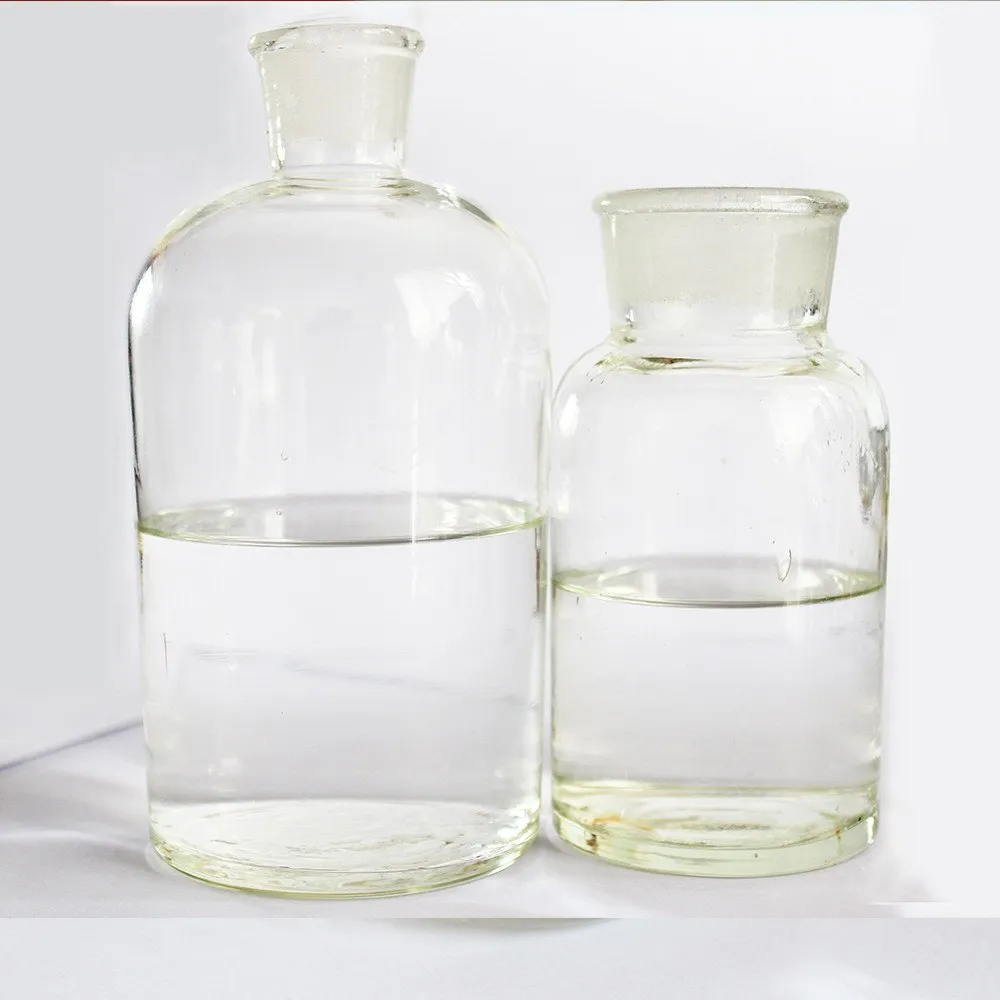
Methanol
Found this useful?