Green Ammonia for Maritime Fuel and Fertilizer: Assessing the 2026 Project Pipeline
Green Ammonia for Maritime Fuel and Fertilizer: Assessing the 2026 Project Pipeline
Green ammonia is emerging as one of the most closely watched products in the global energy-transition market because it can serve two very different purposes: as a low-carbon feedstock for fertilizers and as a potential fuel for shipping. In 2026, the project pipeline is expanding across both applications, but commercial progress remains uneven. The strongest projects are increasingly those that can combine renewable power, established ammonia infrastructure, long-term offtake and access to export markets.
Green Ammonia Has a Dual-Market Opportunity
Ammonia already plays a central role in agriculture. Around 70% of global ammonia is used to produce fertilizers, making the chemical essential to global food supply. The emerging opportunity is to replace conventional fossil-based hydrogen used in ammonia production with hydrogen produced from renewable electricity.
At the same time, shipping companies are evaluating ammonia as a lower-carbon marine fuel. The IEA's 2026 analysis identifies ammonia and methanol as among the most cost-competitive alternative propulsion options for large ocean-going vessels, although both require new propulsion systems and additional safety measures.
This creates a potentially powerful demand combination: fertilizer provides an established industrial market, while maritime fuel could create a new source of long-term demand.
The 2026 Project Pipeline Is Large but Uneven
The global hydrogen pipeline includes numerous projects designed to produce ammonia as the final export product. The IEA reports that ammonia dominates announced hydrogen trade projects, with long-term bilateral contracts particularly important for ammonia and ammonia-derived fertilizers.
However, the difference between announced projects and projects that are actually financeable remains substantial. The IEA estimates that trade-related projects account for more than 40% of announced low-emissions hydrogen volumes for 2030, but less than 8% of those volumes come from projects that are already operational, under construction or have committed investments.
This means the 2026 pipeline should not be viewed as guaranteed future supply. Projects still need financing, customers, infrastructure and competitive production costs before they can become commercial plants.
Maritime Fuel Is Creating a New Demand Channel
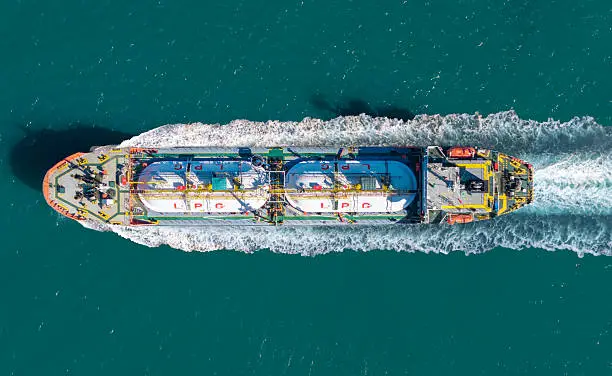
Shipping is becoming an increasingly important potential market for green ammonia. Engine development is advancing, with major manufacturers progressing toward commercial ammonia propulsion, while at least 30 ammonia-powered medium-to-large vessels are expected to be delivered from 2026.
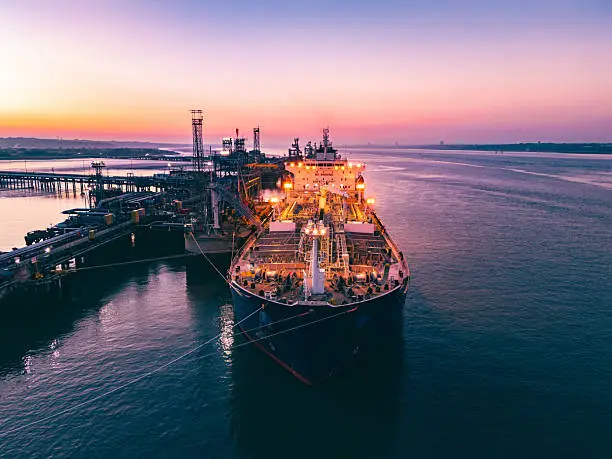
Ports are also beginning to prepare for the fuel transition. Around 170 ammonia terminals are already in operation globally, providing an existing infrastructure base that could support the expansion of ammonia as a marine fuel.
However, the shipping market still faces a major commercial hurdle: green ammonia can cost substantially more than conventional marine fuels. The IEA estimates that the total cost of ownership for ammonia- or methanol-powered vessels can currently be as much as twice that of oil-fuelled ships.
As a result, shipowners need confidence that future fuel supply will be available at predictable prices before committing large fleets to ammonia propulsion.
Fertilizer Offers a More Established Market
The fertilizer sector provides green ammonia projects with an advantage that maritime fuel does not yet have: an existing global market and established consumption infrastructure.
Green ammonia can be used to produce conventional nitrogen fertilizers such as urea, ammonium nitrate and other products without fundamentally changing the downstream agricultural supply chain. This makes fertilizer producers potential anchor customers for new green-ammonia facilities.
The opportunity is particularly relevant in regions that import large quantities of natural gas or ammonia. Local production using renewable electricity can potentially reduce exposure to imported fossil-fuel feedstocks while lowering the carbon intensity of fertilizer production.
Export Hubs Are Central to the Pipeline
Many major projects are being developed in regions with abundant renewable energy and access to ports. The production model is relatively straightforward: renewable electricity powers electrolysers, the resulting hydrogen is combined with nitrogen, and the ammonia can then be transported using established maritime infrastructure.
This model gives green ammonia an advantage over pure hydrogen for international trade. Shipping pure hydrogen requires energy-intensive liquefaction or conversion, while ammonia can be transported using existing chemical-handling infrastructure. The IEA notes that ammonia already has a significant global port-terminal network.
This is why regions with low-cost solar and wind resources—particularly parts of the Middle East, Australia, Africa and Latin America—continue to attract interest as potential green-ammonia export hubs.
China Is Building a Different Supply Model
China's green-ammonia development is increasingly focused on connecting renewable hydrogen production with domestic industrial demand. Research published in 2026 highlights the potential role of ammonia as a marine fuel in China while also identifying a geographic mismatch between renewable-ammonia supply and emerging shipping demand.
The study found that infrastructure such as pipelines can materially reduce supply-chain costs, while ammonia's competitiveness as a marine fuel depends heavily on carbon pricing and infrastructure development.
This suggests that successful green-ammonia markets will require more than production capacity. They will also need transportation networks, storage terminals, bunkering infrastructure and sufficient demand density.
Regulation Remains a Critical Variable
Maritime regulation will heavily influence how quickly ammonia fuel moves from pilot projects to commercial deployment. The International Maritime Organization's regulatory framework for alternative marine fuels continues to evolve, with ammonia included among the fuels being assessed for safety and environmental requirements.
The IEA also identifies policy support as necessary to level the playing field between alternative-fuel vessels and conventional ships. It recommends continued investment in green shipping corridors, alternative-fuel production and bunkering infrastructure at major ports.
For green-ammonia developers, this makes regulatory certainty almost as important as renewable-energy availability.
The Biggest Risk: Demand Is Developing More Slowly Than Supply
The biggest challenge for the 2026 pipeline is not the ability to produce ammonia. It is the ability to secure buyers willing to pay the required premium.
Fertilizer producers may be willing to adopt green ammonia where decarbonisation policies or customer requirements justify higher costs. Shipping companies face a more complicated calculation because switching fuels also requires new vessels, engines, bunkering arrangements and safety systems.
Recent market developments illustrate this challenge. Woodside is reviewing its Beaumont ammonia project in the United States after citing slower-than-expected demand for lower-carbon ammonia and delays in international climate-policy frameworks. The project was originally designed to produce approximately 1.1 million tonnes of ammonia annually.
This demonstrates that even large projects with substantial capital backing can face commercial uncertainty when policy and offtake markets develop more slowly than expected.
What the 2026 Pipeline Means for Buyers
For fertilizer producers and shipping companies, the expanding pipeline creates potential access to a broader range of future suppliers. But buyers should distinguish between projects at the concept, feasibility, FID, construction and operational stages.
The most attractive projects are likely to be those with:
Low-cost renewable electricity
Secured ammonia offtake
Existing port and storage infrastructure
Access to fertilizer or maritime customers
Strong government support
Credible financing and construction partners
Projects lacking these fundamentals may remain announced capacity without reaching commercial operation.
Outlook
The green-ammonia market is entering a critical transition period in 2026. Fertilizer remains the industry's established demand base, while maritime fuel represents the largest potential new application. The combination could eventually create a much broader market for renewable ammonia than either sector could support independently.
However, the industry's success will depend on whether production costs decline fast enough, shipping infrastructure develops in parallel, and regulators create sufficient incentives for fuel switching.
The 2026 project pipeline therefore represents significant potential, but not guaranteed supply. The projects most likely to succeed will be those that solve the commercial equation first—linking low-cost renewable energy with bankable offtake, reliable logistics and customers willing to commit to green ammonia over the long term.

Ammonium Bicarbonate (E503(ii))
Found this useful?