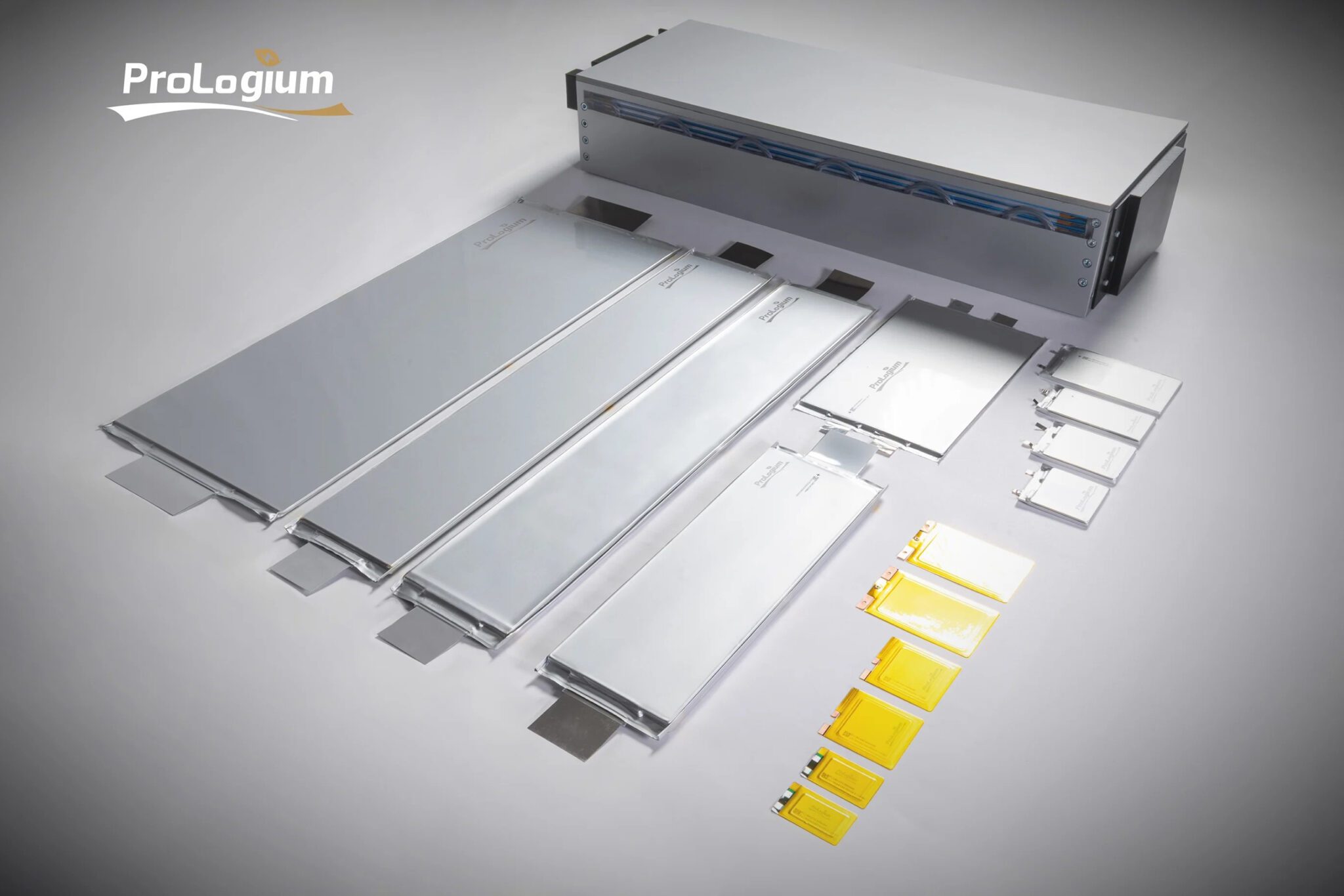
Mercedes-Benz and ProLogium Agree Joint Testing of Gen4 Solid-State Cells
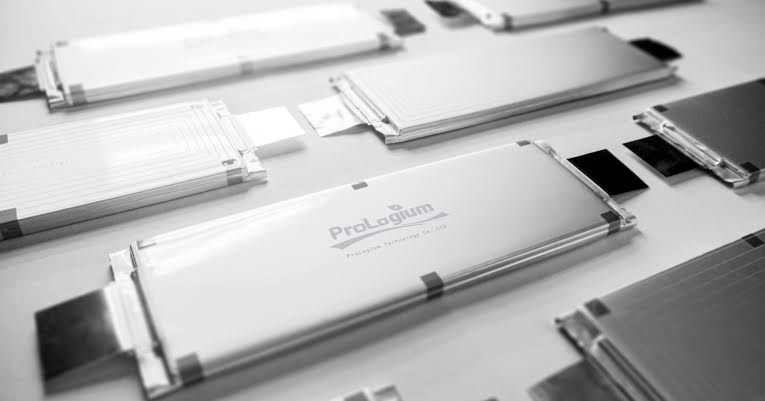
Mercedes-Benz and ProLogium Agree Joint Testing of Gen4 Solid-State Cells
Mercedes-Benz and ProLogium Advance Solid-State Battery Collaboration
Mercedes-Benz and ProLogium are continuing their technology partnership with joint testing of ProLogium's next-generation Gen4 solid-state battery cells.
The collaboration builds on the technology cooperation agreement established between the two companies in January 2022, when Mercedes-Benz and ProLogium agreed to jointly develop next-generation solid-state battery cells for electric vehicles.
Solid-state battery technology is being investigated as a potential route toward higher energy density, lower battery weight and improved safety compared with conventional lithium-ion battery systems.
The latest testing work is part of Mercedes-Benz's broader effort to evaluate advanced battery technologies for future electric vehicles.
Building on a Long-Term Technology Partnership
Mercedes-Benz and ProLogium began their collaboration with the objective of developing solid-state battery technology suitable for automotive applications.
Under the original agreement, Mercedes-Benz also took a seat on ProLogium's board and invested in the company to support technology development and ProLogium's plans to establish production capacity in Europe.
The partnership was designed around a series of technological milestones that could eventually enable solid-state battery integration into Mercedes-Benz passenger vehicles.
Joint testing of newer-generation cells represents another stage in the process of evaluating whether the technology can meet automotive requirements.
What Are Gen4 Solid-State Cells?
Solid-state batteries replace the liquid electrolyte used in conventional lithium-ion batteries with a solid electrolyte.
This change can enable different cell architectures and materials, including lithium-metal anodes, while potentially improving energy density and safety characteristics.
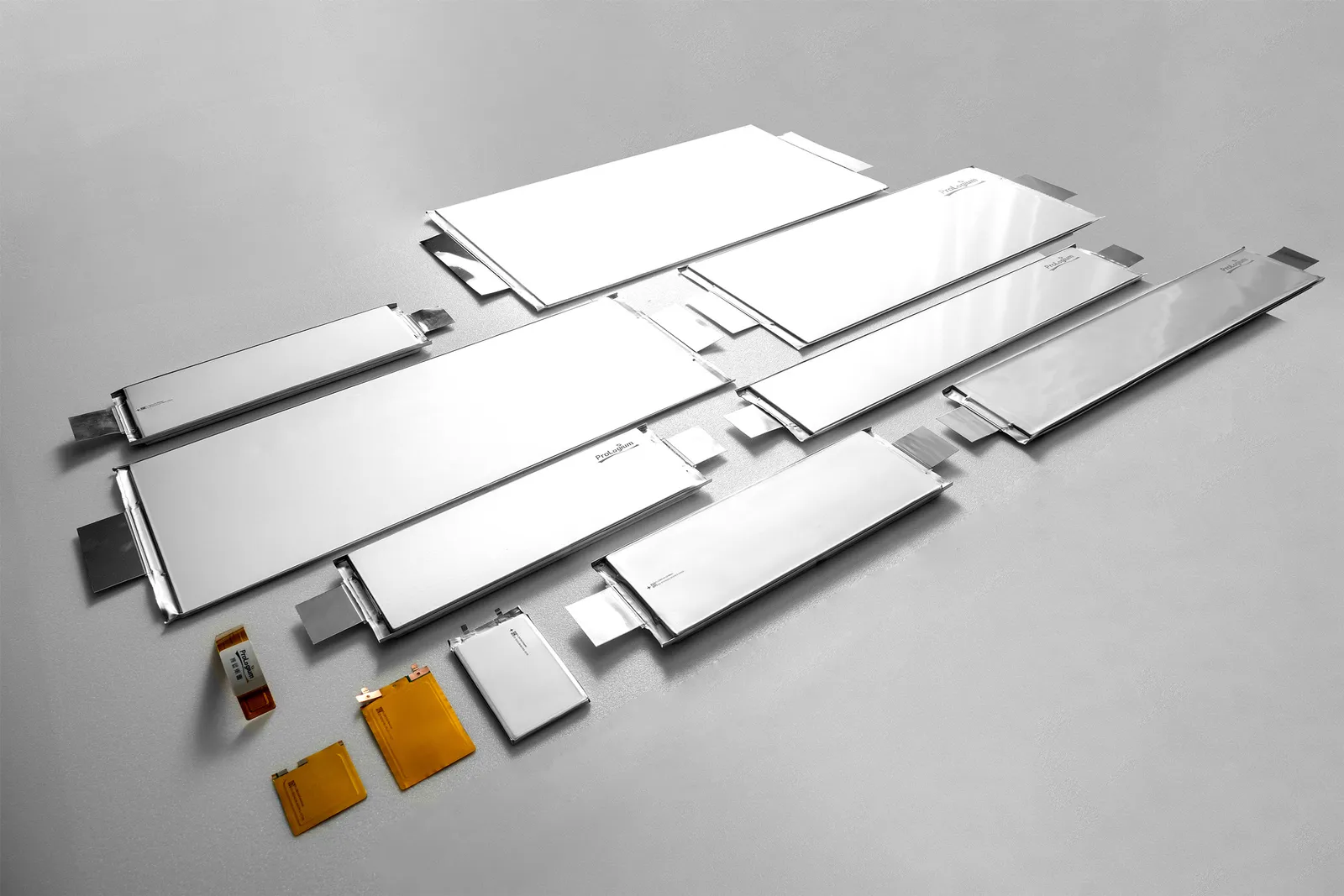
The term Gen4 refers to ProLogium's fourth-generation solid-state cell technology. The testing is intended to provide information about the cells' performance and suitability for automotive applications.
However, laboratory or cell-level performance does not automatically translate into production-vehicle performance. Automotive qualification requires extensive testing covering durability, safety, temperature performance, charging behavior and manufacturing consistency.
Why Solid-State Batteries Matter for Electric Vehicles
Battery energy density is one of the major factors affecting electric-vehicle design.
A higher energy density can allow an EV to store more energy without increasing battery size or weight. Alternatively, manufacturers could potentially reduce battery weight while maintaining a similar amount of stored energy.
Mercedes-Benz has previously identified solid-state technology as an important area for increasing battery energy density and improving electric-vehicle performance.
For automakers, advances in this area could affect several vehicle characteristics, including:
Driving range
Battery weight
Packaging efficiency
Charging performance
Vehicle efficiency
Battery safety
Overall vehicle design
Mercedes-Benz Is Already Testing Solid-State Technology on the Road
Mercedes-Benz's solid-state battery research has progressed beyond laboratory testing.
In February 2025, the company began road testing an EQS-based vehicle equipped with a lithium-metal solid-state battery developed with Factorial Energy. The test vehicle demonstrated up to 25% more driving range compared with a conventional EQS battery of comparable weight and size.
Mercedes-Benz subsequently reported that the solid-state-equipped EQS completed a 1,205-kilometre journey from Stuttgart to Malmö without recharging in August 2025.
These tests involve a different technology partnership from the ProLogium collaboration, but they demonstrate Mercedes-Benz's broader strategy of evaluating solid-state battery technologies through both laboratory and real-world testing.
ProLogium's Role in Solid-State Battery Development
ProLogium specializes in solid-state battery technology and has been working on cell designs intended for electric mobility and other applications.
The company is developing solid-state cells with the objective of increasing energy density while addressing safety and manufacturing requirements.
For Mercedes-Benz, cooperation with ProLogium provides access to another solid-state battery technology platform alongside its work with other battery-development partners.
This multi-partner approach allows the automaker to evaluate different cell chemistries, architectures and manufacturing concepts.
Testing Is Critical Before Automotive Deployment
Moving from prototype cells to vehicle production requires significantly more than demonstrating high energy density.
Automotive battery cells must undergo extensive validation under different operating conditions.
Testing typically examines factors such as:
Charge and discharge cycles
High- and low-temperature operation
Fast charging
Long-term durability
Mechanical stability
Safety performance
Cell degradation
Manufacturing consistency
Integration into battery modules and packs
The results from Gen4 cell testing can therefore provide important information about how the technology performs under conditions relevant to future electric vehicles.
Potential for Higher Energy Density
One of the main attractions of solid-state technology is its potential to support higher energy density.
Mercedes-Benz has stated that solid electrolytes can enable the use of materials with high storage capacity and high ionic conductivity. The company has also noted that solid-state technology can potentially provide substantially higher energy density than conventional lithium-ion cells.
Higher cell-level energy density could provide automakers with greater flexibility in vehicle design.
For example, a manufacturer could use the additional energy density to increase driving range or reduce the size and mass of the battery pack.
The actual benefits will depend on the final cell chemistry, battery architecture, production process and vehicle integration.
Battery Weight and Vehicle Efficiency
Reducing battery weight is another potential benefit of higher-energy-density cells.
A lighter battery can reduce the overall mass of an electric vehicle, which can contribute to lower energy consumption.
Mercedes-Benz's existing solid-state road testing provides an example of this potential. The company reported that its lithium-metal solid-state battery test vehicle achieved additional range while maintaining comparable battery size and weight.
Future ProLogium cell testing will help determine how its technology performs against the specific requirements of Mercedes-Benz vehicle platforms.
From Cell Development to Series Production
A major challenge for solid-state batteries is scaling the technology from laboratory and prototype production to high-volume automotive manufacturing.
Mercedes-Benz has therefore invested in battery development capabilities that cover cell chemistry, cell design, testing and industrialization.
The company's eCampus in Stuttgart-Untertürkheim brings together activities ranging from the development and evaluation of new cell chemistries to industrial-scale cell-production research and testing of complete battery systems.
This type of infrastructure is important because a successful battery technology must not only perform well but also be manufactured consistently and economically at automotive scale.
Potential Impact on Future Mercedes-Benz EVs
The ultimate objective of the collaboration is to determine whether ProLogium's solid-state technology can meet the requirements for future Mercedes-Benz electric vehicles.
The original 2022 agreement included technological milestones intended to support potential integration of solid-state technology into passenger vehicles during the second half of the decade.
However, the completion of cell testing does not by itself confirm a production launch.
Further validation, battery-pack development, vehicle integration and industrialization would be required before any technology could enter series production.
A Broader Push Toward Next-Generation Batteries
Mercedes-Benz is pursuing several advanced battery technologies rather than relying on a single chemistry or supplier.
Its battery strategy includes work on silicon-based anodes, innovative cathode chemistries and solid-state batteries. The company has also emphasized the importance of developing expertise in both cell chemistry and industrial manufacturing.
The ProLogium collaboration is therefore part of a broader effort to evaluate technologies that could improve the performance and efficiency of future EV batteries.
What to Watch Next
Key developments to monitor include:
Results from joint testing of ProLogium's Gen4 solid-state cells
Further development of automotive-scale solid-state cells
Battery-pack and vehicle integration testing
Durability and safety validation
Manufacturing scalability of ProLogium's technology
Potential integration into future Mercedes-Benz EV platforms
Progress toward series production
Further developments in Mercedes-Benz's solid-state battery partnerships
The results of these stages will help determine how quickly solid-state technology can move from advanced cell development toward commercial electric vehicles.
Conclusion
Mercedes-Benz and ProLogium are continuing their long-term collaboration on next-generation solid-state battery technology through testing of ProLogium's Gen4 cells.
The partnership builds on their 2022 technology cooperation agreement, which was established to develop solid-state battery cells for future Mercedes-Benz electric vehicles.
Solid-state technology could potentially provide higher energy density, lower battery weight and new opportunities for EV design. At the same time, significant testing and industrialization work is required before these advantages can be translated into mass-produced vehicles.
Mercedes-Benz's existing road testing of solid-state batteries with other technology partners shows the company's broader focus on validating the technology under real-world conditions.
The ongoing Gen4 testing with ProLogium will provide another set of data for evaluating the potential of solid-state cells and their suitability for the next generation of Mercedes-Benz electric vehicles.
Found this useful?