Green Hydrogen: Its Role in Decarbonizing Chemical Production
Green hydrogen is gaining attention as chemical manufacturers look for practical ways to reduce carbon emissions from energy-intensive production processes. Unlike conventional hydrogen, which mainly comes from natural gas or coal, green hydrogen is produced by splitting water through electrolysis powered by renewable electricity.
This production route can help reduce the carbon footprint of industries that rely on hydrogen as a feedstock, fuel or processing agent. Ammonia, methanol, refining and several other chemical value chains could benefit from wider access to renewable hydrogen. However, its commercial adoption depends on electricity costs, infrastructure, production capacity and reliable access to renewable power.
Understanding Green Hydrogen Production
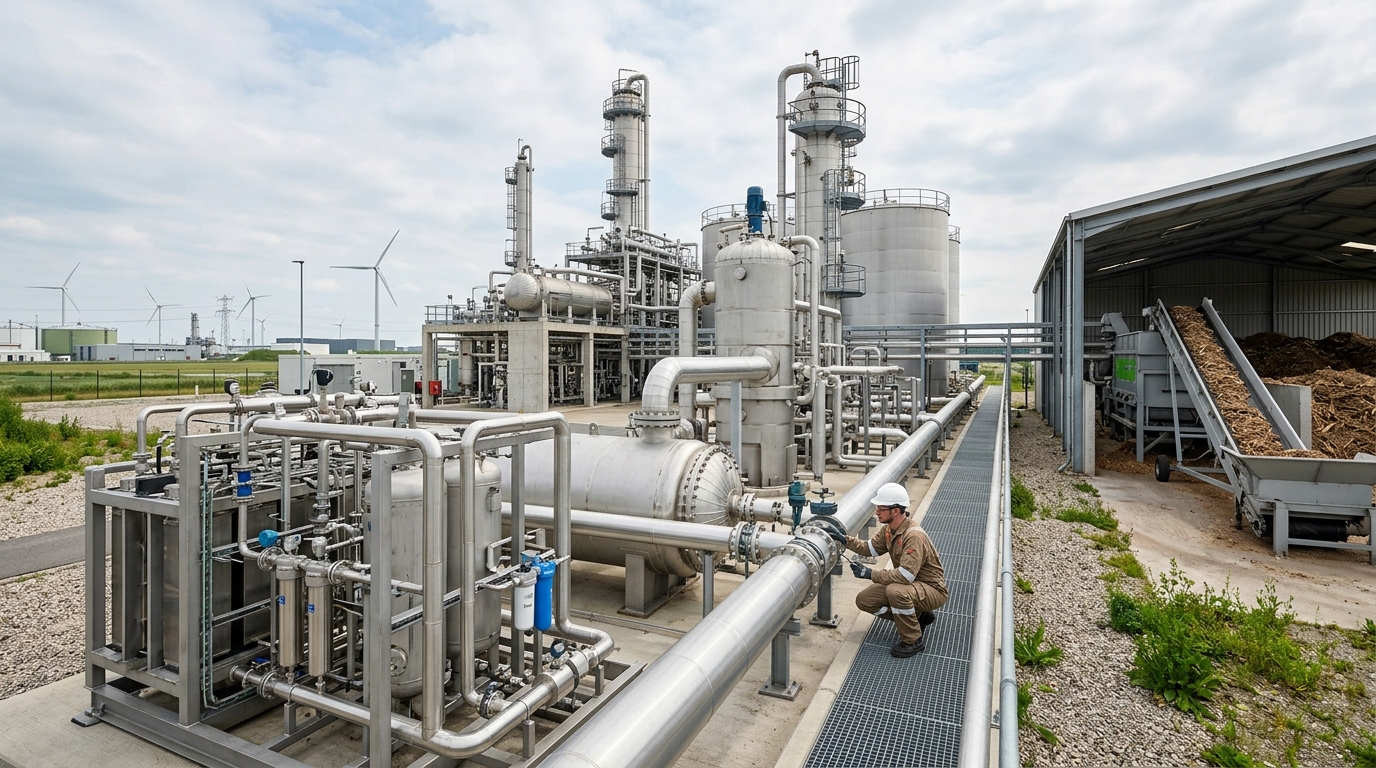
Green hydrogen is produced through water electrolysis, a process that uses electricity to separate water into hydrogen and oxygen. When the electricity comes from renewable sources such as wind, solar or hydropower, the hydrogen can be produced with significantly lower emissions than conventional fossil-based routes.
Electrolysers use different technologies, including alkaline electrolysis and proton exchange membrane (PEM) systems. Alkaline electrolysers have a long industrial operating history, while PEM systems can respond more flexibly to changes in electricity supply. Solid oxide electrolysis is another developing option that operates at high temperatures and may offer efficiency advantages when suitable heat is available.
The environmental benefits depend on the electricity source and the full production pathway. Renewable electricity must be available in sufficient quantities, and manufacturers need to consider emissions associated with equipment, water treatment, hydrogen compression and storage.
Green hydrogen also differs from other low-carbon hydrogen routes. Blue hydrogen, for example, generally uses fossil fuels with carbon capture and storage. The emissions performance of each route depends on its production technology, energy inputs and the effectiveness of carbon management.
Reducing Emissions in Ammonia Manufacturing
Ammonia production is one of the most important potential applications for green hydrogen. Conventional ammonia manufacturing relies heavily on hydrogen produced from natural gas or coal. This hydrogen reacts with nitrogen, usually separated from air, to form ammonia through the Haber-Bosch process.
Replacing fossil-based hydrogen with green hydrogen can reduce emissions associated with ammonia production. Manufacturers can use renewable hydrogen as a feedstock while retaining much of the established ammonia synthesis process, although plant modifications and integration work may be required.
Green ammonia can support several industrial and agricultural applications:
Fertiliser production: Ammonia is a key raw material for nitrogen-based fertilisers, including urea and ammonium nitrate.
Industrial chemicals: It supports the production of nitric acid, ammonium salts and other nitrogen-containing products.
Energy and shipping: Green ammonia is being assessed as a potential fuel and hydrogen carrier, although handling, safety and conversion requirements remain important considerations.
Lower-emission supply chains: Fertiliser producers may use green ammonia to offer products with a lower production-related carbon footprint.
The transition will not happen automatically. Green hydrogen needs to reach a competitive cost, and ammonia plants require dependable supplies of renewable electricity and water. Existing facilities may also need new electrolysers, storage systems, compressors and connections between hydrogen production and ammonia synthesis.
Green Hydrogen in Methanol and Other Chemical Production
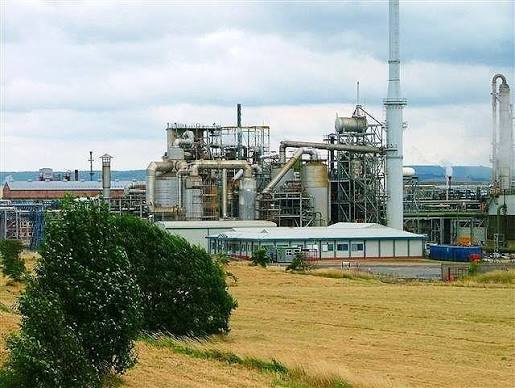
Methanol manufacturing is another major opportunity for green hydrogen. Conventional methanol production commonly uses synthesis gas derived from natural gas or coal. Green hydrogen can replace the fossil-derived hydrogen component when combined with a suitable source of carbon dioxide.
The resulting product is often called e-methanol or renewable methanol, depending on the production pathway and the origin of the inputs. Manufacturers can combine renewable hydrogen with captured carbon dioxide to produce synthesis gas or use an integrated process designed for methanol synthesis.
The carbon source is particularly important. Carbon dioxide captured from industrial facilities may help reduce emissions when it replaces fossil-based feedstock, but the overall climate benefit depends on where the carbon comes from and what happens when the methanol is used. Using carbon dioxide from direct air capture or sustainable biogenic sources may offer different lifecycle outcomes.
Green hydrogen also has potential in other chemical processes. It can support the production of hydrogen peroxide, certain specialty chemicals and intermediates that require hydrogenation. In these applications, renewable hydrogen can replace conventional hydrogen without necessarily changing the final chemical product.
For manufacturers, the most practical starting point is to identify processes where hydrogen already functions as a feedstock. This can make substitution more straightforward than introducing hydrogen into processes that do not currently use it.
Supporting Refining and Industrial Processing
Petroleum refineries use hydrogen in several operations, including hydrocracking and hydrotreating. These processes help remove sulfur and other impurities, improve product quality and convert heavier hydrocarbon streams into lighter products.
Many refineries obtain hydrogen from natural gas-based production or integrated refinery systems. Replacing part of this supply with green hydrogen could reduce emissions associated with refining operations, particularly where hydrogen demand is substantial and renewable electricity is available.
Chemical manufacturers can also evaluate green hydrogen for selected high-temperature industrial applications. However, using hydrogen as a fuel involves different technical and economic considerations from using it as a chemical feedstock. Equipment may need modifications to handle hydrogen combustion, and operators must assess flame characteristics, safety systems and emissions performance.
The choice between using green hydrogen as a feedstock or fuel should therefore depend on the process. Feedstock applications may offer a more direct route to substitution because hydrogen is already an essential input. Fuel applications require comparison with alternatives such as electrification, renewable heat and other low-carbon energy sources.
Infrastructure and Supply Chain Requirements
Scaling green hydrogen requires more than installing electrolysers. Producers need a connected supply chain that can deliver renewable electricity, treated water and hydrogen to industrial facilities at the required quality, pressure and volume.
Electricity supply is one of the largest cost factors. Electrolysers consume significant amounts of power, so projects need access to competitive renewable electricity and reliable grid connections. If renewable generation varies, producers may need flexible operations, electricity storage or hydrogen storage to maintain a consistent supply.
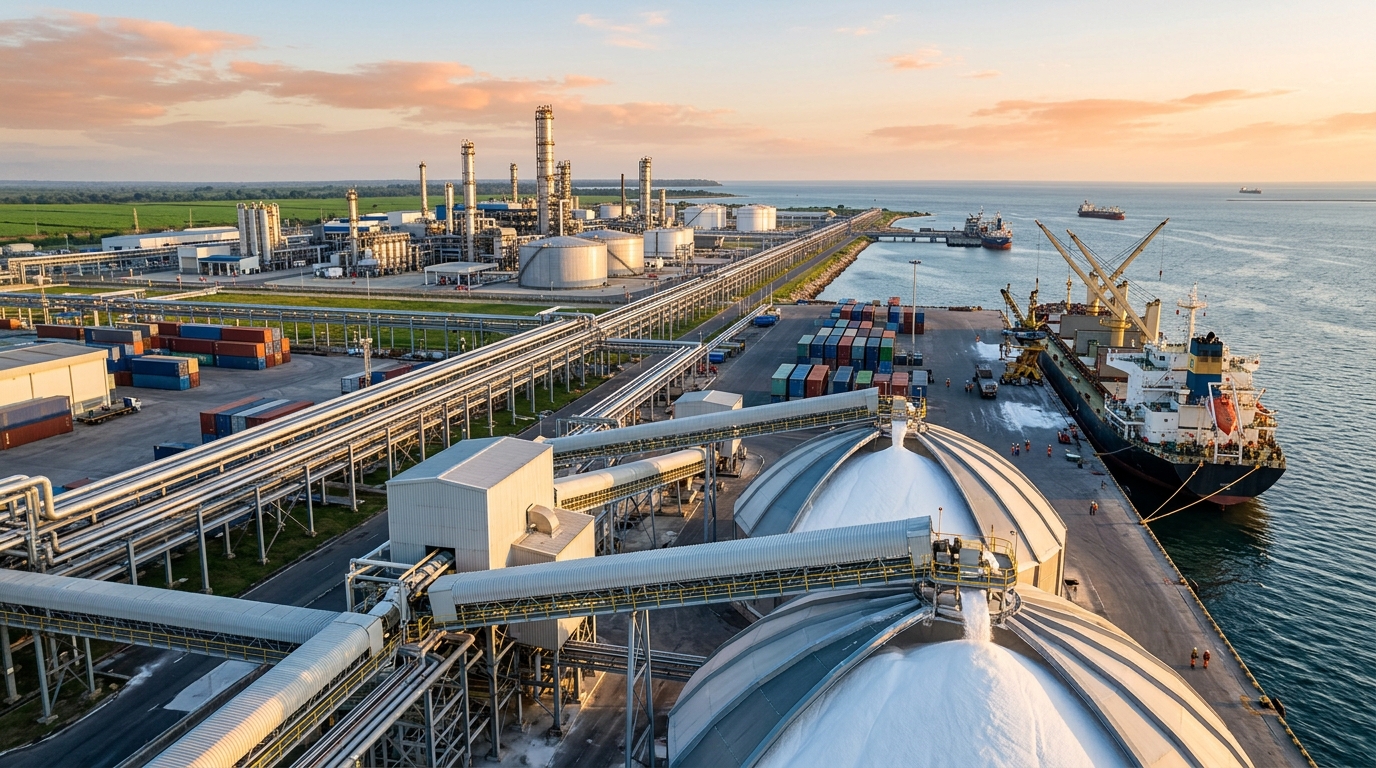
Hydrogen storage and transportation also present challenges. Hydrogen has a low volumetric energy density, which makes storage and distribution more complex than handling many conventional industrial gases. It can be compressed, liquefied or converted into carriers such as ammonia, but each option requires additional energy, equipment and handling procedures.
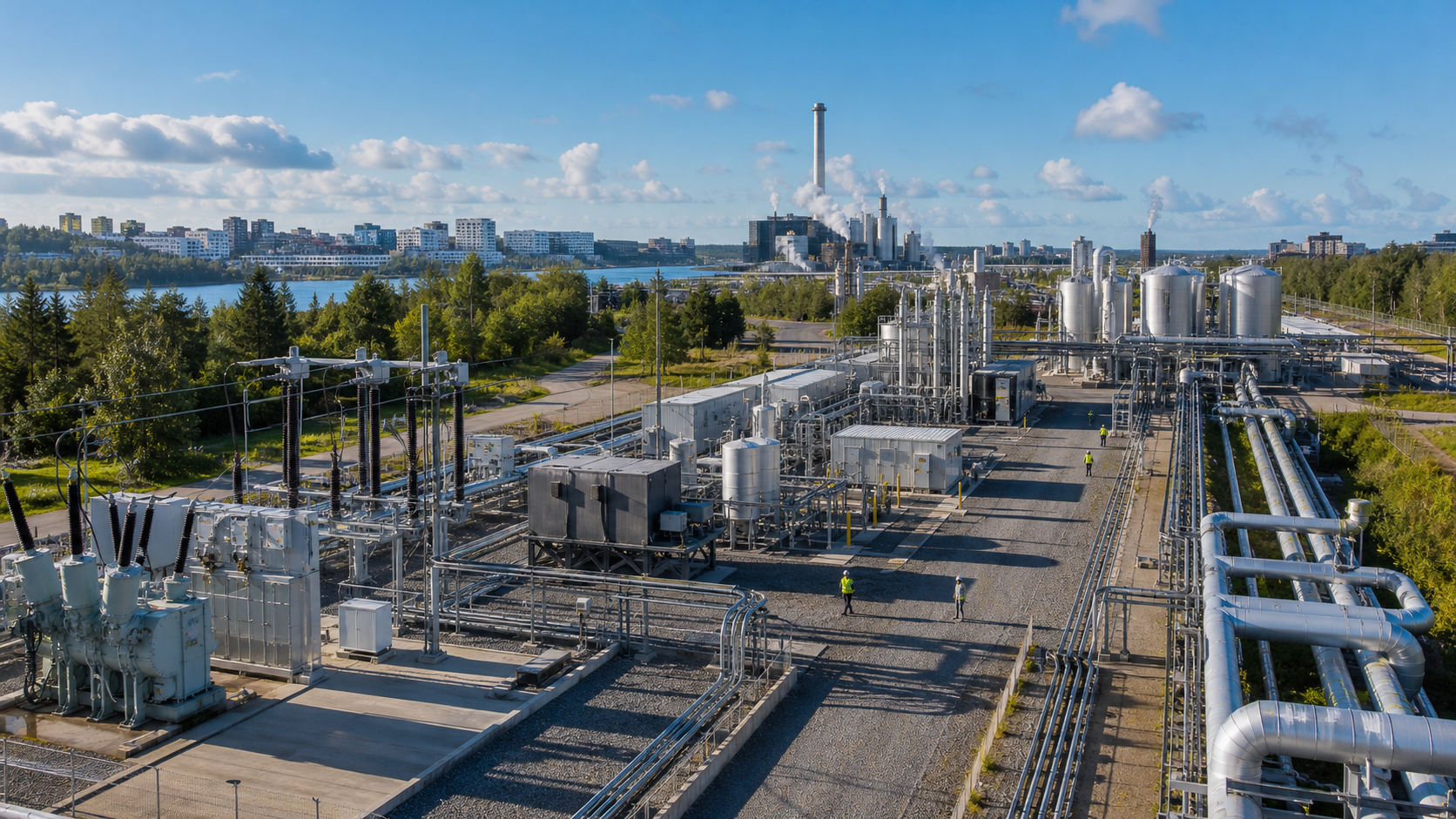
Industrial clusters may offer a practical way to develop supply networks. Electrolyser projects located near ammonia plants, refineries and chemical manufacturing sites can reduce the distance between production and consumption. Shared pipelines, storage facilities and renewable power connections may also improve project economics.
Chemical buyers should assess supplier reliability alongside the advertised carbon intensity of hydrogen. Important procurement considerations include production technology, renewable electricity sourcing, delivery arrangements, product specifications, certification and lifecycle emissions documentation.
Economic and Operational Challenges
Despite its potential, green hydrogen remains difficult to deploy at scale in many markets. Electrolyser investment, renewable electricity costs, grid infrastructure and financing requirements can make production more expensive than conventional hydrogen.
The cost difference affects downstream chemical products. Green ammonia and e-methanol may carry higher production costs than their conventional equivalents, creating challenges for buyers operating in price-sensitive markets. Demand may depend on regulatory requirements, carbon pricing, customer commitments and the availability of incentives.
Plant integration can create additional operational challenges. Existing chemical facilities are designed around specific hydrogen production and consumption systems. Introducing electrolytic hydrogen may require changes to compression, purification, storage and process control equipment.
Water availability is another important consideration, particularly in regions facing water stress. Electrolysis requires treated water, and projects must account for water sourcing, purification and local environmental requirements. Seawater may be used only after suitable treatment rather than being fed directly into conventional electrolysers.
Manufacturers should evaluate projects through a full techno-economic assessment. This should compare capital investment, electricity costs, operating flexibility, hydrogen demand, infrastructure needs and the expected emissions reduction against the existing production route.
Market Opportunities for Chemical Producers and Buyers
The development of green hydrogen creates opportunities across the chemical value chain. Electrolyser manufacturers, renewable power developers, engineering companies, gas distributors and industrial equipment suppliers can all participate in project development.
Ammonia and methanol producers may be among the early adopters because hydrogen is already a central feedstock in their manufacturing processes. Refineries and chemical intermediates producers may also explore renewable hydrogen procurement where supply infrastructure and economics support adoption.
For chemical traders and procurement teams, the changing market creates new sourcing considerations. Buyers may increasingly compare conventional and lower-emission products based on production route, carbon intensity, certification and total delivered cost.
Suppliers that can provide transparent product documentation may gain an advantage as customers introduce sustainability requirements into purchasing decisions. However, buyers should avoid relying on broad claims such as "green" or "renewable" without checking the underlying production pathway and supporting evidence.
Green hydrogen is unlikely to replace fossil-based hydrogen across every chemical application at the same pace. Its adoption will depend on regional renewable power availability, industrial demand, infrastructure development and the ability of producers to secure long-term commercial agreements.
Building a Practical Path Towards Lower-Carbon Chemical Production
Chemical manufacturers can prepare for green hydrogen adoption by reviewing current hydrogen consumption and identifying processes where renewable hydrogen could deliver measurable emissions reductions. Ammonia synthesis, methanol production and refinery hydrotreating are logical areas to assess because they already depend on hydrogen as a feedstock or processing input.
Companies should also evaluate the availability of renewable electricity, electrolyser technology, water resources and hydrogen transportation infrastructure before committing to large-scale projects. Partnerships with energy developers, technology providers and industrial gas suppliers can help reduce development risks and improve supply reliability.
A phased approach may offer a more manageable route. Manufacturers can begin with pilot projects or partial hydrogen substitution, measure operating performance and emissions outcomes, then expand capacity as technology, infrastructure and market conditions improve.
For chemical buyers, supplier assessments should include hydrogen production methods, lifecycle emissions data, certification and traceability. These details can help procurement teams distinguish genuinely lower-carbon products from conventional materials supported by incomplete environmental claims.
Green hydrogen offers a pathway to reduce emissions in chemical production, but its success will depend on commercially viable projects and dependable renewable energy supply. Ready to source green hydrogen and related chemical products from verified global suppliers? Explore competitive offers on our platform today.
Ammonia Anhydrous
Found this useful?