Green Methanol Reaches Commercial Scale: What 2026 Costs Mean for Buyers
Green methanol has entered a new stage of commercial development, but pricing remains the biggest factor influencing procurement decisions. As production capacity expands, more suppliers can offer commercial volumes of renewable methanol. Even so, the cost difference between bio-methanol and e-methanol remains substantial, creating an important strategic decision for buyers considering long-term supply agreements.
Based on 2025 market pricing, bio-methanol typically costs around $250 to $1,000 per tonne, while e-methanol ranges from approximately $2,000 to $2,400 per tonne. This significant price gap continues to limit widespread adoption outside regulated shipping corridors, where environmental requirements create stronger demand for low-carbon fuels.
What Is Green Methanol?
Green methanol refers to methanol produced using renewable or low-carbon feedstocks instead of conventional fossil-based raw materials.
The two primary commercial pathways are:
Bio-methanol, produced from biomass, agricultural residues, municipal waste or other renewable organic feedstocks.
E-methanol, produced by combining green hydrogen with captured carbon dioxide using renewable electricity.
Although both products support decarbonization goals, their production methods result in very different cost structures.
Why Bio-Methanol Costs Less Than E-Methanol
Bio-methanol has reached greater commercial maturity.
Many production technologies already operate at commercial scale, and feedstock supply chains have developed over several years. Production costs still vary depending on biomass availability and regional logistics, but established infrastructure helps keep prices relatively competitive.
Several factors contribute to lower bio-methanol costs:
Commercial production technologies are more established.
Feedstock supply chains already exist in many regions.
Lower electricity requirements compared with e-methanol production.
Larger number of operating facilities supporting market competition.
These advantages explain why bio-methanol currently represents the more accessible renewable methanol option for many industrial buyers.
Why E-Methanol Remains More Expensive
E-methanol production depends on technologies that remain significantly more costly.
Large quantities of renewable electricity are required to produce green hydrogen through electrolysis before combining it with captured carbon dioxide. The cost of renewable power, electrolyzer capacity and carbon capture infrastructure all contribute to higher production expenses.
Major cost drivers include:
Renewable electricity prices.
Green hydrogen production costs.
Carbon dioxide capture and purification.
Capital investment for specialized production facilities.
Limited global commercial production capacity.
Until these costs decline, e-methanol will likely remain a premium product in most markets.
Why Regulated Shipping Corridors Are Driving Early Demand
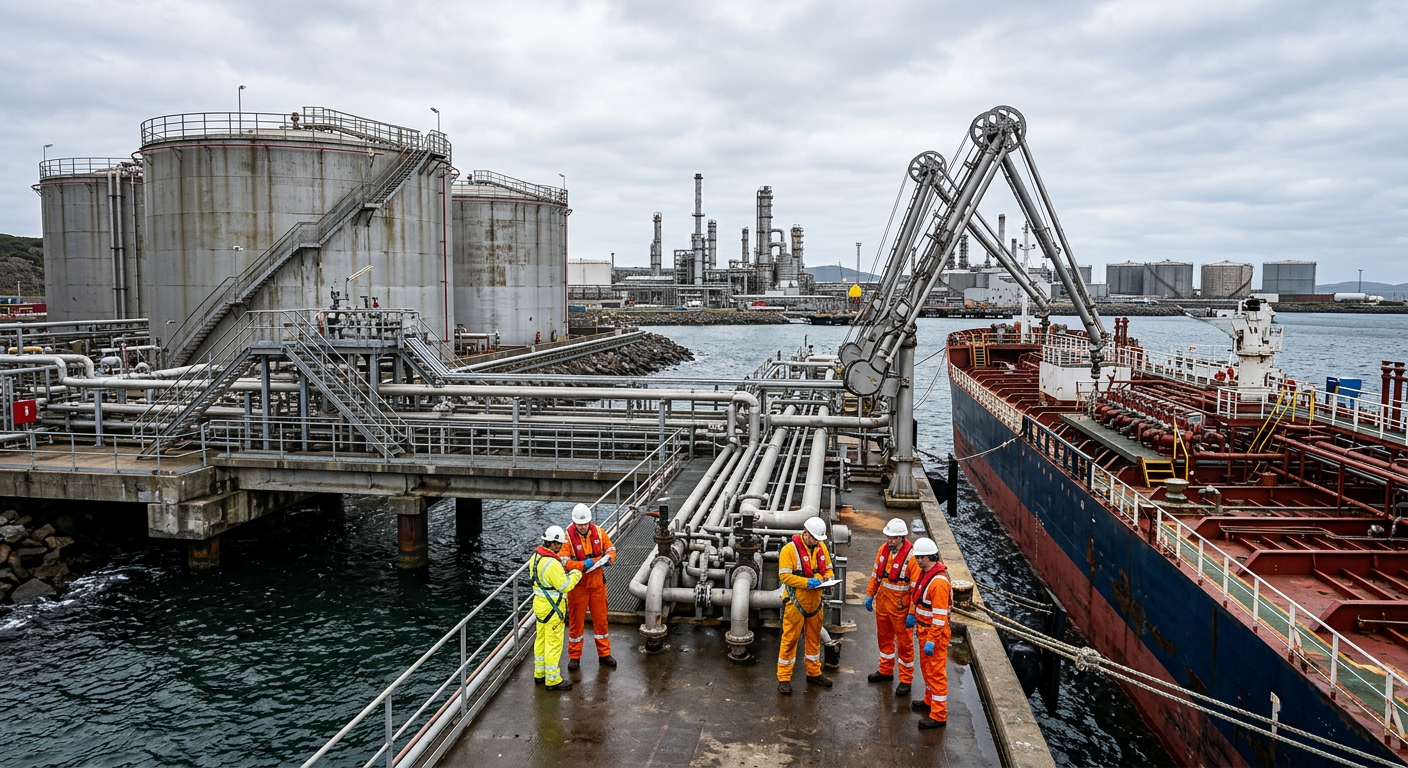
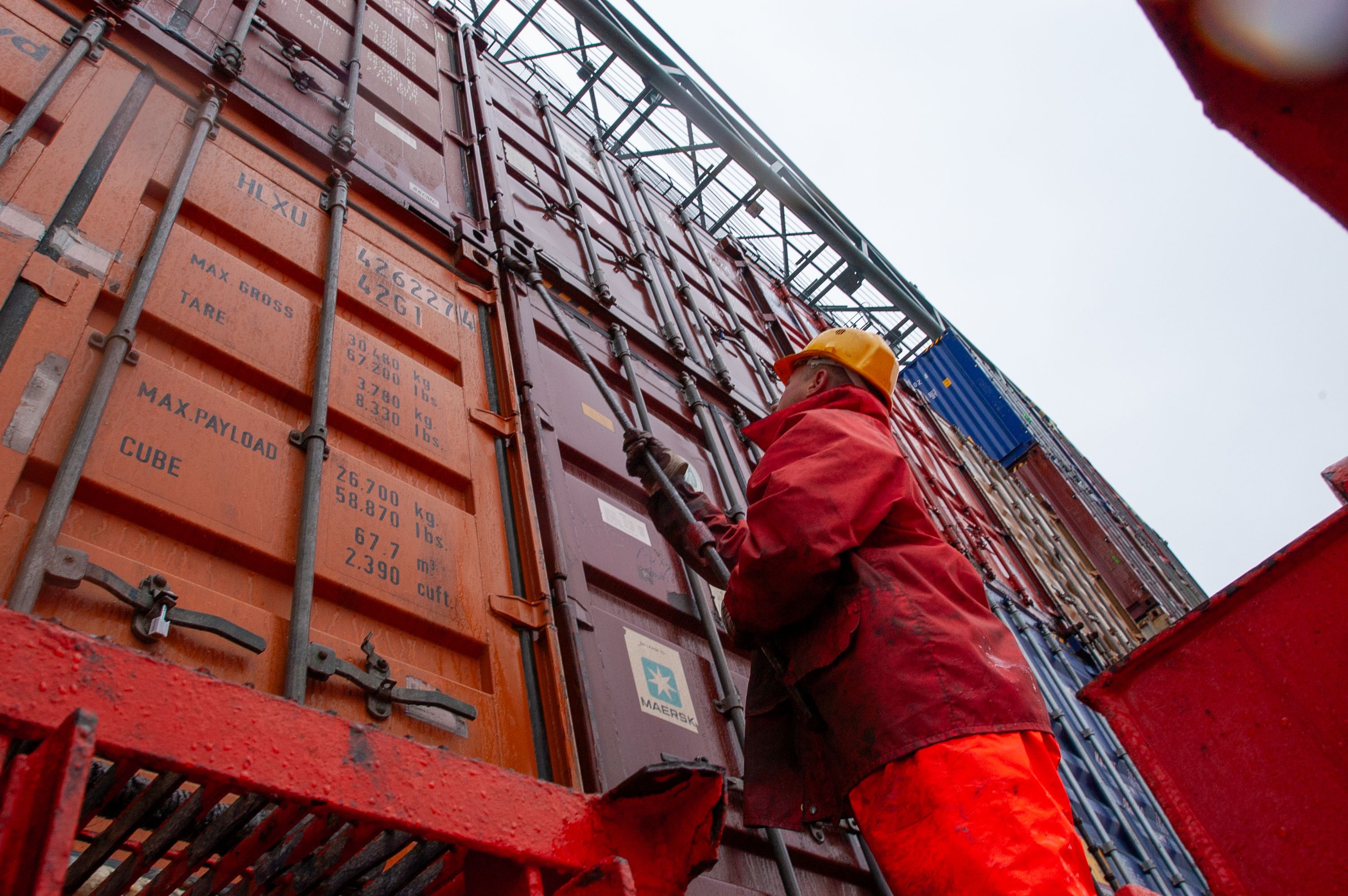
The shipping sector has become one of the strongest early markets for green methanol.
Environmental regulations and corporate decarbonization commitments encourage ship operators to adopt lower-carbon fuels despite higher purchase costs. These requirements provide producers with predictable demand while supporting investment in additional production capacity.
Outside these regulated applications, many industrial buyers continue to evaluate whether the environmental benefits justify current pricing.
Should Buyers Lock In Contracts Now?
There is no single answer for every procurement strategy.
Companies operating in regulated markets or with firm sustainability commitments may benefit from securing long-term supply agreements today to improve availability and reduce future supply risks.
However, organizations with greater purchasing flexibility may choose a more cautious approach while monitoring production expansion and pricing trends.
Procurement teams should evaluate several factors before committing:
Internal decarbonization targets.
Customer demand for low-carbon products.
Regulatory obligations.
Budget flexibility.
Long-term fuel or feedstock requirements.
Supplier production capacity and reliability.
A structured procurement strategy should balance environmental objectives with commercial realities.
Supply Growth Could Improve Market Conditions
Investment in renewable methanol production continues to increase.
As additional facilities enter commercial operation, buyers may benefit from improved product availability and stronger supplier competition. Technology improvements, larger production volumes and expanded renewable energy capacity could gradually reduce production costs over time.
Even so, significant price convergence between bio-methanol and e-methanol is unlikely in the immediate future because their production economics remain fundamentally different.
Procurement Risks Buyers Should Consider
Price is only one part of the sourcing decision.
Procurement teams should also assess supplier credibility, feedstock security, production technology, logistics capability and contract flexibility. Long-term agreements should clearly define product specifications, delivery commitments and sustainability documentation to reduce commercial risk.
Diversifying supply sources may also improve resilience as the green methanol market continues to mature.
What Buyers Should Do in 2026
Green methanol is transitioning from an emerging technology to a commercially available product, but procurement decisions remain highly dependent on application, budget and sustainability objectives.
For buyers with immediate regulatory or customer-driven requirements, long-term contracts may provide supply certainty despite higher costs. For organizations without urgent adoption pressures, monitoring market expansion while maintaining supplier relationships may offer greater purchasing flexibility as production capacity increases.
The difference between bio-methanol and e-methanol pricing remains the defining factor in today's market. Understanding that cost spread, along with future supply developments, will help procurement teams make more informed sourcing decisions throughout 2026 and beyond.
Ready to source methanol from verified global suppliers? Explore competitive offers on our platform today.
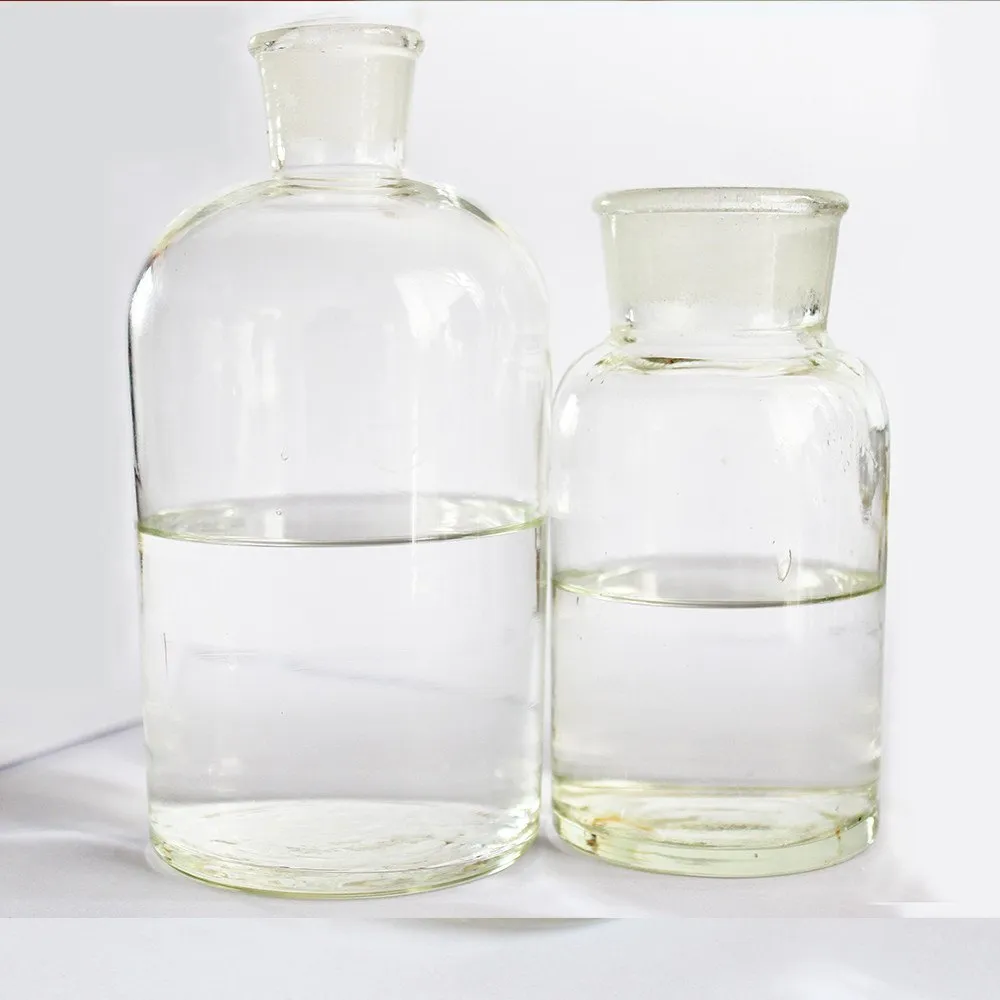
Methanol
Found this useful?