GSK’s $2.2 billion agreement to acquire RAPT Therapeutics signals a major move into the next generation of food allergy treatment. The deal gives GSK rights to ozureprubart, an emerging therapy designed to help protect food allergy patients and expand treatment options in an area where pharmaceutical innovation continues to attract significant attention.
For pharmaceutical procurement teams, the transaction represents more than a corporate acquisition. It also highlights the growing importance of biologic development, specialized pharmaceutical ingredients, clinical manufacturing capacity and reliable global supply networks as companies pursue more targeted treatments for complex immune-related conditions.
GSK’s $2.2 Billion RAPT Therapeutics Acquisition
GSK announced a definitive agreement to acquire RAPT Therapeutics for $2.2 billion, bringing the company and its development assets into GSK’s pharmaceutical portfolio. The central attraction is ozureprubart, a next-generation treatment that could help protect food allergy patients.
The acquisition gives GSK access to RAPT Therapeutics’ expertise and development capabilities while strengthening its position in the food allergy treatment space. For the pharmaceutical sector, the deal demonstrates how established companies continue to use acquisitions to gain access to promising therapeutic platforms rather than developing every asset internally.
The transaction also reflects the strategic value of therapies that address significant unmet patient needs. As food allergy management evolves, pharmaceutical companies are looking for approaches that can provide stronger protection and potentially improve how patients manage exposure risks.
Why Food Allergy Treatment Is Drawing Pharmaceutical Investment
Food allergies create a complex challenge because patients can face reactions after exposure to specific foods, sometimes requiring immediate medical attention. This creates demand for therapies that can provide additional protection alongside established approaches to allergy management.
The pharmaceutical opportunity extends beyond treating symptoms. Developers increasingly focus on therapies that target underlying immune mechanisms and aim to alter the body's response to allergens.
For drug developers and procurement teams, this creates demand across several areas:
Specialized pharmaceutical manufacturing: Advanced therapies require tightly controlled production environments, validated processes and consistent quality management.
Active pharmaceutical ingredients: Drug development depends on reliable access to appropriate active ingredients and intermediates that meet stringent quality specifications.
Excipients and formulation materials: Pharmaceutical formulations require carefully selected supporting materials to maintain stability, performance and shelf life.
Clinical and commercial supply chains: As a candidate moves from development toward commercialization, manufacturers must scale production while maintaining consistent quality.
The GSK and RAPT transaction therefore sits within a wider pharmaceutical shift toward targeted treatments that can command substantial investment when they address important patient needs.
Ozureprubart and the Next Generation of Allergy Therapies
Ozureprubart is the key asset behind GSK’s interest in RAPT Therapeutics. The therapy represents the type of next-generation treatment that pharmaceutical companies increasingly pursue as they seek more sophisticated approaches to immune-mediated conditions.
Rather than relying solely on traditional symptom management, modern drug development increasingly investigates biological pathways involved in immune responses. This approach can create opportunities for therapies designed around specific mechanisms and patient needs.
For procurement professionals, innovative therapies introduce a different set of supply requirements compared with conventional commodity pharmaceuticals. Production may depend on specialized materials, controlled environments, advanced analytical testing and highly consistent manufacturing inputs.
That means commercial success requires more than clinical development. Companies must also establish a dependable supply ecosystem capable of supporting development programs and, if successful, future commercial demand.
What the Deal Means for Pharmaceutical Supply Chains
The acquisition highlights an important relationship between pharmaceutical innovation and supply chain readiness. When a promising therapy progresses through development, procurement teams must prepare for changing requirements across research, clinical manufacturing and eventual commercial production.
Supply chain planning can become particularly important when pharmaceutical companies move from relatively small development batches toward larger-scale manufacturing. Production volumes, quality standards, supplier qualification and logistics requirements can all change during this transition.
Procurement teams supporting pharmaceutical manufacturing should pay close attention to:
Supplier qualification: Pharmaceutical inputs require dependable suppliers that can meet defined specifications and quality expectations consistently.
Raw material continuity: Interruptions in specialized inputs can affect production schedules, clinical programs and manufacturing timelines.
Quality documentation: Pharmaceutical buyers need strong documentation and traceability throughout the supply chain.
Geographic diversification: Multiple qualified sourcing regions can help companies manage disruptions and reduce excessive dependence on a single supply route.
Scalable supply agreements: Long-term agreements can provide greater visibility as development programs move toward larger production requirements.
The RAPT acquisition therefore offers a useful reminder that pharmaceutical growth depends on both scientific progress and operational preparedness.
The Role of Pharmaceutical Chemicals in Advanced Drug Development
The development of specialized treatments creates demand for a broad ecosystem of pharmaceutical-grade chemicals and supporting materials. These inputs can contribute to synthesis, formulation, cleaning, processing, testing and other manufacturing activities.
Some chemicals have applications across multiple pharmaceutical processes, while others serve more specialized functions. Buyers must therefore match material specifications with the exact requirements of the manufacturing process rather than selecting products solely according to price.
For global chemical traders, this creates opportunities to support pharmaceutical manufacturers with dependable sourcing, technical documentation and consistent quality. Suppliers that understand pharmaceutical procurement requirements can become strategic partners rather than simply transactional vendors.
Quality consistency matters as much as availability. A competitively priced material provides limited value if inconsistent specifications create manufacturing problems or require additional testing.
Procurement Priorities as Allergy Drug Development Advances
As GSK takes control of RAPT Therapeutics and its ozureprubart program, procurement teams across the pharmaceutical ecosystem can expect continued attention on supply reliability and manufacturing readiness.
Companies involved in pharmaceutical production should consider several priorities when supporting advanced therapies:
Build qualified supplier networks. Maintaining relationships with multiple credible suppliers can improve resilience when demand changes or unexpected disruptions affect one source.
Prioritize specification control. Procurement decisions should account for purity, grade, consistency and documentation requirements rather than focusing exclusively on unit cost.
Plan for scale. A material that works for early-stage development may require a different sourcing strategy once manufacturing volumes increase.
Strengthen traceability. Clear documentation across suppliers and logistics partners helps pharmaceutical manufacturers maintain control over material flows.
Monitor global chemical markets. Price movements, energy costs, transportation conditions and production changes can affect pharmaceutical input costs even when the final product targets a highly specialized medical application.
These priorities become especially important as pharmaceutical companies move promising therapies through increasingly complex development stages.
GSK’s Deal Highlights the Value of Targeted Pharmaceutical Innovation
The $2.2 billion transaction demonstrates the commercial value pharmaceutical companies can place on promising treatments with potential to address important healthcare needs. GSK is not simply adding another product to its portfolio. It is acquiring access to a development program centered on a specialized area of medicine.
The deal also illustrates why biotechnology companies remain important acquisition targets for larger pharmaceutical organizations. Smaller developers can concentrate resources on innovative therapeutic programs while larger companies can provide broader manufacturing, commercialization and global infrastructure.
For chemical and pharmaceutical supply partners, this creates a changing market environment. As major pharmaceutical companies acquire promising assets, their supplier requirements can expand across development, manufacturing and commercialization.
That transition can create new opportunities for chemical traders that can provide reliable pharmaceutical-grade materials while meeting strict procurement requirements.
What Buyers Should Watch as the RAPT Deal Moves Forward
The next stage will be important for understanding how GSK develops and positions ozureprubart within its wider portfolio. Progress in development can influence manufacturing requirements, sourcing volumes and the types of pharmaceutical inputs needed throughout the product lifecycle.
For procurement professionals, several signals deserve close attention:
Development progress: Advancing clinical programs can gradually increase demand for specialized manufacturing inputs.
Manufacturing strategy: Decisions about production locations and manufacturing partners can influence future sourcing requirements.
Commercial planning: A successful transition toward commercialization can significantly change purchasing volumes and supply chain expectations.
Supplier resilience: Pharmaceutical companies may increasingly prioritize suppliers that can support both quality requirements and long-term continuity.
Specialized sourcing: Advanced therapies can require more precise material specifications, increasing the importance of technical supplier capabilities.
The broader lesson is clear. Pharmaceutical acquisitions can reshape demand well beyond the companies directly involved in a transaction.
The Bottom Line for Pharmaceutical Procurement Teams
GSK’s $2.2 billion acquisition of RAPT Therapeutics places ozureprubart at the center of a significant pharmaceutical investment in next-generation food allergy treatment. The transaction highlights the growing value of targeted therapies and the operational infrastructure required to bring them from development into broader use.
For chemical traders, importers, exporters and pharmaceutical buyers, the opportunity lies in understanding how innovation changes supply requirements. Reliable sourcing, consistent quality, strong documentation and scalable supply relationships can become increasingly important as advanced therapies progress through development.
The deal also reinforces the strategic connection between pharmaceutical innovation and the chemical supply chain. As companies invest in treatments designed around increasingly specific biological mechanisms, suppliers that can support demanding technical and quality requirements will remain essential to the manufacturing ecosystem.
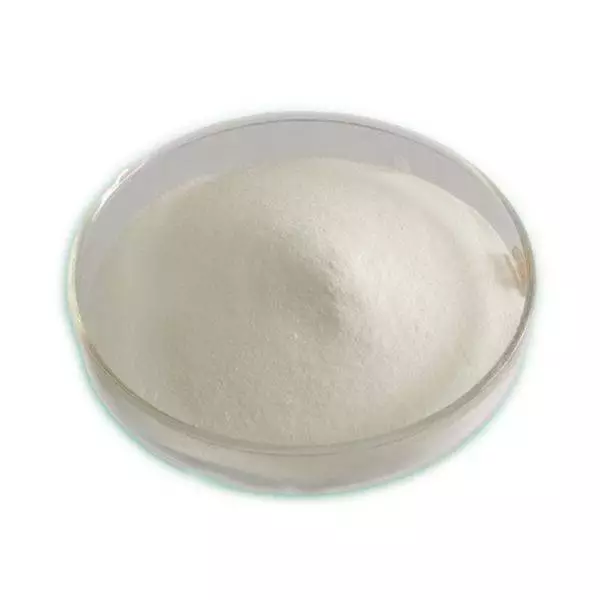
Ready to source D-Calcium Pantothenate (Vitamin B5) from verified global suppliers? Explore competitive offers on our platform today.