Guar Gum Market 2026: India’s Natural Monopoly and the Oil‑Drilling‑Food Demand Split
Overview of the 2026 Guar Gum Landscape
The guar gum market is projected to reach a value of USD 1.3 billion by 2026, driven largely by India’s position as the world’s largest producer and exporter. Guar gum suppliers India are expected to capture over 80% of the global supply chain, thanks to favorable rainfall patterns, extensive cultivation areas, and robust processing infrastructure.
Food‑Grade vs. Industrial‑Grade Demand
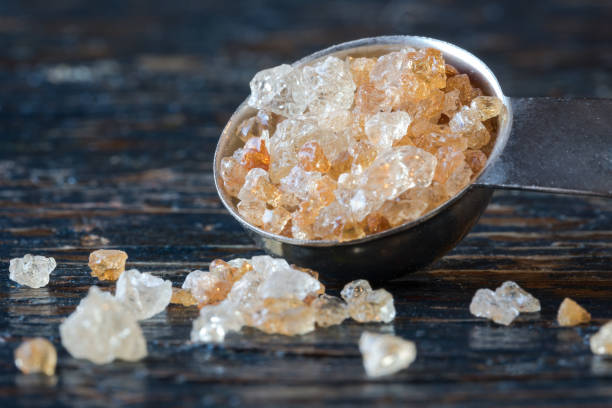
Demand for guar gum is bifurcated into two main streams: food‑grade guar gum (E412) and industrial guar gum used in hydraulic fracturing, cosmetics, and papermaking. The food sector accounts for roughly 40% of total consumption, primarily in India and the Middle East, while the industrial sector is set to grow at a CAGR of 7% as hydraulic fracturing (fracking) expands across North America and the Middle East.
Key differentiators between the two grades include:
Purity requirements: Food‑grade guar gum must meet strict E412 standards.
Additive compatibility: Industrial guar gum often requires higher GHPG (guar high‑purity grade) or HPG (high‑purity grade) to resist harsh fracking chemicals.
Processing costs: Industrial grade typically involves higher refining steps, increasing unit costs.
Guar Gum in Hydraulic Fracturing
Hydraulic fracturing chemicals have become a cornerstone of the energy sector, with guar gum acting as a primary viscosity enhancer in fracking fluids. The guar gum oil drilling segment is expected to grow by 9% annually, fueled by the push for unconventional resource development.
High‑viscosity retention – guar gum sustains fluid flow in high‑pressure wells.
Temperature stability – GHPG grades can withstand temperatures up to 200 °C.
Low environmental footprint – guar gum is biodegradable, reducing waste concerns.

Rajasthan Guar Crop Volatility
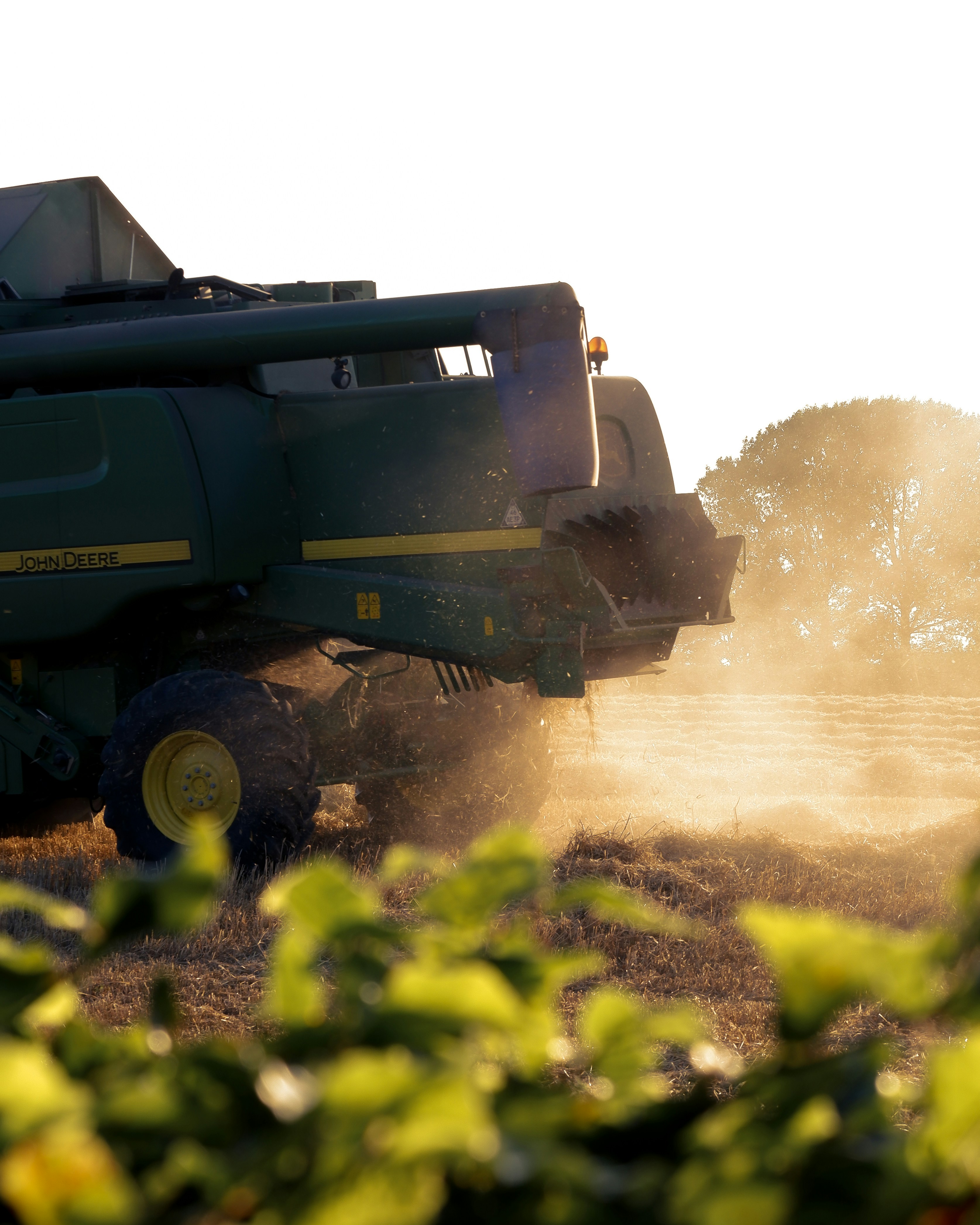
Rajasthan remains the heartland of India’s guar production. However, the crop is highly susceptible to climatic variations. Recent monsoon deficits have led to a 15% drop in production, prompting concerns about supply stability.
To mitigate volatility, producers are adopting:
Enhanced irrigation techniques such as drip systems.
Crop rotation with drought‑tolerant legumes.
Government subsidies for climate‑resilient farming.
Pricing Outlook and Market Dynamics
Price movements are influenced by a confluence of factors:
Supply‑demand balance: A tight supply due to weather constraints pushes prices up, especially for industrial grades.
Currency fluctuations: INR depreciation strengthens export competitiveness.
Regulatory changes: New food safety standards can raise processing costs for food‑grade guar.
Analysts forecast a price range of USD 1.80–2.20 per kilogram for food‑grade guar in 2026, while industrial grades may trade between USD 2.50 and 3.10 per kilogram, reflecting higher processing and quality requirements.

Key Players and Supply Chain Trends
Major manufacturers include Guar India Ltd., Rajasthan Agrochem, and Global Guar Solutions. These companies are investing in vertically integrated supply chains, from seed supply to final product certification, to lock in quality and reduce cost volatility.
Emerging trends include:
Digital traceability platforms to guarantee E412 compliance.
Co‑development of GHPG guar with petrochemical firms for fracking.
Strategic alliances between food processors and oil companies to share logistics.
Found this useful?