LNG Canada Phase 2: $7.5 Billion Contract Signals Major Trade and Supply Chain Demand
LNG Canada Phase 2 has moved from planning into execution, creating a major new signal for energy infrastructure supply chains in North America. Following the project's final investment decision, the JGC-Fluor joint venture received notice to proceed on the expansion in Kitimat, British Columbia, with a reported US$7.5 billion contract share for JGC and an equivalent share for Fluor.
For chemical traders, procurement managers and industrial suppliers, the significance extends beyond the LNG market. A project of this scale creates demand across construction materials, process chemicals, water treatment inputs, coatings, maintenance products and other industrial supplies, while also increasing requirements for reliable logistics and regional sourcing.
LNG Canada Phase 2 Moves Into Full Project Execution
The notice to proceed marks an important transition for LNG Canada Phase 2. JGC and Fluor will handle engineering, procurement, fabrication, construction and commissioning, building on their previous work on the first phase of the facility.
The joint venture already delivered Phase 1, including two processing trains and supporting infrastructure. That experience gives the contractors an established project base in Kitimat and provides continuity as the next expansion moves forward.
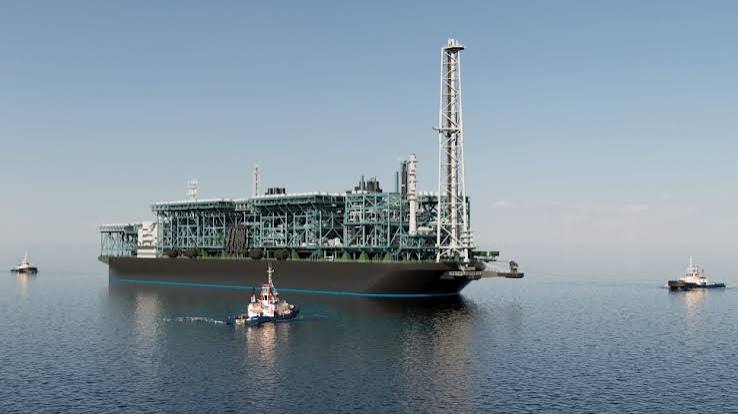
The Phase 2 scope includes two additional liquefaction trains and another LNG storage tank. Once completed, the expansion is designed to roughly double LNG Canada’s production capacity from approximately 14 million tonnes per year to around 28 million tonnes per year.
For suppliers, this change matters because large LNG projects generate procurement activity over several stages rather than through one single purchasing event. Engineering, fabrication and construction requirements can create demand for different product categories at different points in the project schedule.
What the $7.5 Billion Contract Means for Industrial Procurement
The size of the JGC-Fluor contract highlights the breadth of the supply chain supporting LNG infrastructure. While major equipment and engineering services represent significant portions of project spending, a large industrial expansion also requires a wide range of supporting products.
Chemical suppliers can find opportunities in areas connected with construction, equipment protection, utilities, water treatment and plant operations. Procurement teams typically need dependable specifications, consistent quality and delivery schedules that align with project milestones.
Potential demand areas can include:
Water treatment chemicals, which support industrial water systems and treatment operations during construction and eventual plant activity.
Coatings and corrosion-control materials, which help protect infrastructure exposed to moisture, chemicals and demanding operating conditions.
Industrial cleaning chemicals, required for equipment preparation, maintenance activities and commissioning-related work.
Process and utility chemicals, depending on the final requirements of individual plant systems and supporting infrastructure.
Construction-related chemical products, including materials used in concrete, surface treatment, insulation systems and specialized applications.
The procurement opportunity also extends beyond the final product. Packaging, warehousing, hazardous-material handling and transportation can become important parts of the supply chain when projects operate in remote or geographically constrained locations.
Why Kitimat Creates a Distinct Logistics Challenge
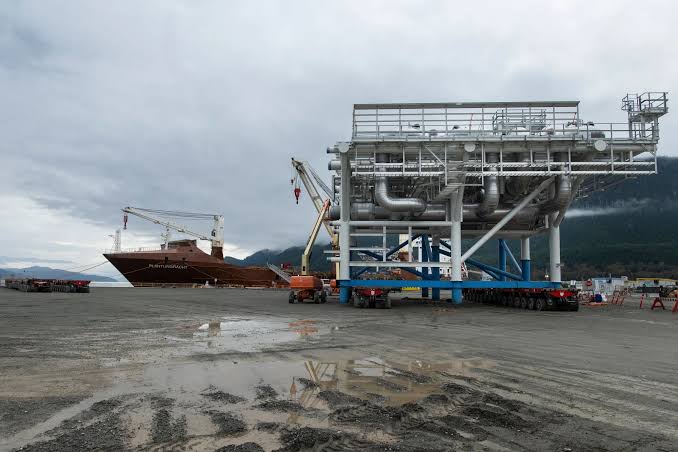
Kitimat's location on Canada's west coast gives LNG Canada direct access to marine export infrastructure, but large-scale construction still requires careful logistics planning. The project site needs a steady flow of equipment, materials and industrial supplies while contractors coordinate multiple construction activities.
The original LNG Canada development included storage tanks, a rail yard, water treatment facilities, flare stacks and a marine terminal. Phase 2 will build adjacent to the existing facility, allowing the project to use the established site and infrastructure while adding new processing and storage capacity.
For chemical traders, geography can influence the commercial attractiveness of a supply contract as much as the product itself. A competitive price loses value if transportation is unreliable, lead times are excessive or the supplier cannot maintain delivery consistency.
Buyers may therefore place greater emphasis on:
Reliable container and bulk transportation arrangements.
Proper packaging for chemical products moving through multiple logistics stages.
Inventory availability close to the project region.
Documentation and safety information required for industrial shipments.
Supplier capacity to support repeated deliveries instead of one-off orders.
Chemicals and Materials Suppliers Can Watch the Project
The LNG Canada Phase 2 expansion does not automatically mean that every industrial chemical will see a direct increase in demand. However, the project's scale provides a useful indicator for suppliers targeting oil, gas, LNG and major infrastructure developments.
Products associated with industrial water systems can be particularly relevant because large energy facilities require water management across construction and operational activities. Chemicals such as sodium hydroxide, hydrochloric acid, sodium hypochlorite and hydrogen peroxide can serve different industrial treatment and cleaning applications depending on system specifications.
Corrosion management is another important area. Large LNG facilities contain extensive metal infrastructure, pipelines, storage systems and processing equipment, creating ongoing requirements for protection and maintenance throughout the asset lifecycle.
For traders, the opportunity is to understand where their products fit rather than simply approaching the project with a broad catalogue. A focused product portfolio supported by technical documentation and reliable supply can be more useful to EPC procurement teams than a long list of unrelated chemicals.
EPC Procurement Will Shape the Supply Chain
The JGC-Fluor joint venture has responsibility across engineering, procurement, fabrication, construction and commissioning. That structure makes EPC procurement decisions particularly important for suppliers hoping to participate in the project ecosystem.
The contract is structured primarily on a lump-sum turnkey basis, with some portions executed on a cost-plus basis. This structure can increase the importance of cost control, schedule management and dependable supplier performance across the procurement chain.
Suppliers should therefore prepare for procurement requirements that go beyond price quotations. Buyers may evaluate suppliers based on:
Specification compliance: Products need to match the technical requirements established for their intended application.
Delivery reliability: Delays can affect construction sequences and create additional project costs.
Documentation: Safety data, certificates, technical specifications and shipment records can form an important part of industrial procurement.
Supply continuity: Large projects often require repeat orders, making production capacity and inventory planning critical.
Commercial stability: Competitive pricing matters, but major contractors also need suppliers capable of maintaining agreed commercial terms throughout the project.
Global LNG Expansion Is Supporting Broader Trade Flows
LNG Canada Phase 2 also reflects the continuing development of LNG infrastructure aimed at connecting natural gas resources with international markets. The existing facility benefits from access to Canadian natural gas and an ice-free harbour on the west coast, supporting its role as an export platform.
For chemical and industrial traders, this creates a wider market signal. LNG projects require extensive supporting infrastructure before they begin long-term commercial operations, and the construction cycle can generate procurement demand across multiple countries and supplier networks.
The international nature of LNG equipment and engineering also means that sourcing can extend beyond the project country. Specialized products may come from established manufacturing hubs in Asia, North America, Europe or other industrial regions depending on technical requirements, pricing and delivery schedules.
This creates room for experienced chemical exporters to compete on more than product availability. Suppliers with strong export documentation, dependable freight relationships and experience with industrial customers can be better positioned to serve large project supply chains.
What Procurement Teams Should Prepare For
The move into Phase 2 execution gives suppliers a reason to strengthen their project-focused procurement strategies. Buyers looking to participate in this type of infrastructure cycle should avoid waiting until individual purchase orders appear before assessing their supply capability.
A practical preparation approach includes:
Map relevant products to LNG applications: Identify which products in the portfolio have realistic uses in construction, utilities, treatment, maintenance or plant operations.
Review technical documentation: Keep specifications, safety documentation and certificates organized so procurement teams can assess products quickly.
Evaluate logistics capacity: Confirm whether current freight and warehousing arrangements can support deliveries to western Canada.
Plan inventory carefully: Large projects can create sudden increases in demand, so suppliers should balance project opportunities against existing customer commitments.
Monitor EPC procurement channels: The JGC-Fluor structure makes contractor and subcontractor procurement activity an important area to follow.
The strongest opportunity may not come from supplying the largest-volume products. Specialized chemicals with strict technical requirements can offer valuable positions for suppliers that understand the application and can meet project standards consistently.
The Bottom Line for Chemical Traders
LNG Canada Phase 2 represents a significant new infrastructure cycle in Canada's energy sector, with the JGC-Fluor joint venture moving into execution after the final investment decision. The US$7.5 billion share recognized by each major joint venture partner underscores the scale of the work and the potential reach of its industrial supply chain.
For chemical traders and procurement professionals, the project should be viewed as part of a broader opportunity around LNG infrastructure, industrial construction and long-term plant operations. Suppliers that combine competitive pricing with technical compliance, dependable logistics and consistent availability will be better positioned as procurement activity develops.
The expansion is also a reminder that major energy projects create demand across many layers of the industrial economy. Chemical suppliers do not need to be direct contractors to benefit from that activity, but they do need to understand where their products fit within the EPC and project supply chain.
As Phase 2 progresses, monitoring procurement requirements early can help traders identify opportunities before demand reaches its peak. Ready to source industrial chemicals from verified global suppliers? Explore competitive offers on our platform today.
Hydrogen Peroxide (35%) - Thailand
Found this useful?