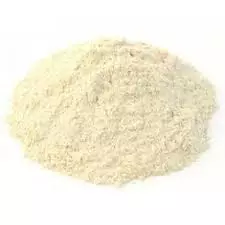
Guar gum procurement remains closely tied to agricultural conditions in India, where the majority of global guar production originates. The crop depends heavily on monsoon rainfall, making weather one of the most important early indicators for buyers planning future purchases.
The market has also entered September 2026 with heightened attention on India's monsoon performance. Recent rainfall has remained below normal in parts of the country, while Northwest India, a major guar-growing region, remains particularly important to crop expectations.
For procurement teams, this creates a market where crop risk, export demand and industrial consumption can influence prices at the same time. Understanding these factors can help buyers negotiate contracts, plan inventory and avoid unnecessary exposure to spot-market volatility.
Why Guar Gum Supply Depends on the Monsoon
Guar is primarily a rain-fed crop, so its production can vary considerably between growing seasons. India's Agricultural and Processed Food Products Export Development Authority identifies Rajasthan as the dominant production region, accounting for roughly 72% of India's guar output.
The crop generally follows the monsoon cycle, with sowing taking place after suitable rainfall and harvesting occurring later in the year. This makes rainfall distribution just as important as cumulative rainfall because prolonged dry periods can affect crop development.
For buyers, the most important point is timing. Procurement teams do not need to wait for the final harvest estimate before evaluating supply risk.
Early indicators such as planting progress, rainfall distribution and crop condition can influence farmer selling patterns and market expectations well before new-crop material reaches processors.
Rajasthan Remains the Critical Sourcing Region
India dominates the international guar supply chain, and Rajasthan remains the central production region. Other Indian growing areas include Gujarat, Haryana, Punjab, Uttar Pradesh and Madhya Pradesh.
This geographic concentration gives Indian suppliers a major role in international procurement. APEDA reports that India exported approximately 474,519 metric tons of guar gum in FY2025, with Germany, the United States, Russia, Norway and China among the major export destinations during 2025-26.
For importers, concentration can create both advantages and risks. India offers a deep supplier base and established export infrastructure, but weather problems in the main growing region can affect the broader market.
Procurement teams should therefore distinguish between supplier diversification and origin diversification. Buying from several Indian suppliers can reduce individual supplier risk, but it does not fully protect against a widespread crop problem in Rajasthan.
Current Crop Conditions Need Close Monitoring
Guar buyers are currently watching rainfall and crop development closely. A July 2026 market update reported that cumulative rainfall across India was below normal and that Northwest India had also recorded a rainfall deficit, while forecasts were pointing toward improved precipitation in the region.
By early September, broader Indian weather conditions remained a concern. Reuters reported that India's September rainfall was forecast below average after an already weak monsoon season, increasing concerns for several crops during critical growth stages.
Guar procurement teams should monitor the following signals:
Rainfall distribution: Regular and well-distributed rain generally provides more useful crop support than isolated heavy rainfall.
Crop condition: Field development provides a better indication of eventual supply than rainfall totals alone.
Harvest expectations: New-crop estimates can influence processor purchasing and exporter offers.
Farmer selling: The pace at which growers release seed can affect short-term physical availability.
Processor inventories: Existing stocks can temporarily offset weaker new-crop expectations.
These indicators should form part of a rolling procurement dashboard for buyers with significant guar gum exposure.
How Industrial Demand Influences Guar Gum Prices
Guar gum is used across food, feed and industrial applications because of its thickening, binding, stabilizing and water-control properties. However, petroleum and oilfield applications remain particularly important to the international market.
This creates an unusual procurement dynamic for food buyers. Food-grade guar gum can be affected by demand conditions in sectors that have little connection with food manufacturing.
When oil and gas activity strengthens, demand for industrial-grade guar products can increase. Higher industrial consumption can tighten raw material availability and influence the economics of guar processing.
Market research covering the Indian and U.S. supply chains has also identified oil and gas activity as a major influence on guar demand and pricing.
Food manufacturers should therefore avoid forecasting guar gum prices exclusively from food-sector demand.
Recent Guar Gum Price Movement
Guar gum prices moved higher through parts of 2026 as supply availability and export demand supported the market. One recent market assessment reported India's FOB guar gum price at approximately $492.78 per metric ton in July 2026, compared with approximately $448.80 per metric ton in June.
The same assessment reported higher prices in several destination markets, illustrating how freight, regional demand and trade conditions can create significant differences between origin and delivered prices.
These figures should not be treated as a universal transaction price. Guar gum quotations vary according to grade, viscosity, treatment, origin, packaging, order size, payment terms and Incoterms.
For procurement managers, the more useful lesson is the direction of the market and the factors behind it. A rising origin price combined with higher freight can produce a much larger increase in the buyer's landed cost.
The Main Cost Drivers Behind Guar Gum
Guar gum pricing starts with guar seed economics but extends through processing and international logistics. Buyers should understand each cost layer when evaluating supplier quotations.
Guar seed prices form the foundation because seed availability directly affects processor input costs. Crop expectations, farmer inventories and local market arrivals can all influence seed prices.
Processing costs include cleaning, splitting, milling and other production operations. Energy, labor, packaging and plant utilization can change the cost of finished guar gum.
Export demand can create additional pressure when international buyers compete for available material. Strong industrial demand can affect seed and processed-product markets simultaneously.
Freight and logistics determine the final landed cost. Ocean freight, port handling, insurance and inland transportation can be significant for buyers located far from Indian production centers.
Currency movements can also change the effective cost for importers purchasing in U.S. dollars while selling finished products in another currency.
Food-Grade Guar Gum Requires Specific Sourcing Controls
Not all guar gum is suitable for food applications. Buyers need to distinguish food-grade material from products intended for oilfield, textile, paper or other industrial uses.
A robust procurement specification should cover:
The exact specification should reflect the finished product. A beverage manufacturer may prioritize rapid hydration and consistent viscosity, while a bakery or dairy manufacturer may require different performance characteristics.
Procurement and technical teams should approve the specification together before commercial negotiations begin.
Supplier Diversification Can Improve Supply Security
India's dominance creates a deep supplier ecosystem, but buyers should not assume that every exporter provides equivalent material. Differences in processing technology, quality systems, inventory practices and export experience can affect supply reliability.
A strong supplier qualification process should examine:
Production or processing capacity.
Experience with the buyer's destination market.
Food-grade quality systems.
Batch-to-batch consistency.
Export documentation capability.
Typical lead times.
Backup inventory arrangements.
Ability to accommodate changing order volumes.
For strategic buyers, maintaining two or more approved suppliers can reduce the risk associated with an unexpected production or logistics problem.
However, buyers should also recognize the limits of supplier diversification. If all approved suppliers depend on the same regional crop, a major weather event can still affect the entire supply base.
Guar gum procurement remains closely tied to agricultural conditions in India, where the majority of global guar production originates. The crop depends heavily on monsoon rainfall, making weather one of the most important early indicators for buyers planning future purchases.
The market has also entered September 2026 with heightened attention on India's monsoon performance. Recent rainfall has remained below normal in parts of the country, while Northwest India, a major guar-growing region, remains particularly important to crop expectations.
For procurement teams, this creates a market where crop risk, export demand and industrial consumption can influence prices at the same time. Understanding these factors can help buyers negotiate contracts, plan inventory and avoid unnecessary exposure to spot-market volatility.
Why Guar Gum Supply Depends on the Monsoon
Guar is primarily a rain-fed crop, so its production can vary considerably between growing seasons. India's Agricultural and Processed Food Products Export Development Authority identifies Rajasthan as the dominant production region, accounting for roughly 72% of India's guar output.
The crop generally follows the monsoon cycle, with sowing taking place after suitable rainfall and harvesting occurring later in the year. This makes rainfall distribution just as important as cumulative rainfall because prolonged dry periods can affect crop development.
For buyers, the most important point is timing. Procurement teams do not need to wait for the final harvest estimate before evaluating supply risk.
Early indicators such as planting progress, rainfall distribution and crop condition can influence farmer selling patterns and market expectations well before new-crop material reaches processors.
Rajasthan Remains the Critical Sourcing Region
India dominates the international guar supply chain, and Rajasthan remains the central production region. Other Indian growing areas include Gujarat, Haryana, Punjab, Uttar Pradesh and Madhya Pradesh.
This geographic concentration gives Indian suppliers a major role in international procurement. APEDA reports that India exported approximately 474,519 metric tons of guar gum in FY2025, with Germany, the United States, Russia, Norway and China among the major export destinations during 2025-26.
For importers, concentration can create both advantages and risks. India offers a deep supplier base and established export infrastructure, but weather problems in the main growing region can affect the broader market.
Procurement teams should therefore distinguish between supplier diversification and origin diversification. Buying from several Indian suppliers can reduce individual supplier risk, but it does not fully protect against a widespread crop problem in Rajasthan.
Current Crop Conditions Need Close Monitoring
Guar buyers are currently watching rainfall and crop development closely. A July 2026 market update reported that cumulative rainfall across India was below normal and that Northwest India had also recorded a rainfall deficit, while forecasts were pointing toward improved precipitation in the region.
By early September, broader Indian weather conditions remained a concern. Reuters reported that India's September rainfall was forecast below average after an already weak monsoon season, increasing concerns for several crops during critical growth stages.
Guar procurement teams should monitor the following signals:
Rainfall distribution: Regular and well-distributed rain generally provides more useful crop support than isolated heavy rainfall.
Crop condition: Field development provides a better indication of eventual supply than rainfall totals alone.
Harvest expectations: New-crop estimates can influence processor purchasing and exporter offers.
Farmer selling: The pace at which growers release seed can affect short-term physical availability.
Processor inventories: Existing stocks can temporarily offset weaker new-crop expectations.
These indicators should form part of a rolling procurement dashboard for buyers with significant guar gum exposure.
How Industrial Demand Influences Guar Gum Prices
Guar gum is used across food, feed and industrial applications because of its thickening, binding, stabilizing and water-control properties. However, petroleum and oilfield applications remain particularly important to the international market.
This creates an unusual procurement dynamic for food buyers. Food-grade guar gum can be affected by demand conditions in sectors that have little connection with food manufacturing.
When oil and gas activity strengthens, demand for industrial-grade guar products can increase. Higher industrial consumption can tighten raw material availability and influence the economics of guar processing.
Market research covering the Indian and U.S. supply chains has also identified oil and gas activity as a major influence on guar demand and pricing.
Food manufacturers should therefore avoid forecasting guar gum prices exclusively from food-sector demand.
Recent Guar Gum Price Movement
Guar gum prices moved higher through parts of 2026 as supply availability and export demand supported the market. One recent market assessment reported India's FOB guar gum price at approximately $492.78 per metric ton in July 2026, compared with approximately $448.80 per metric ton in June.
The same assessment reported higher prices in several destination markets, illustrating how freight, regional demand and trade conditions can create significant differences between origin and delivered prices.
These figures should not be treated as a universal transaction price. Guar gum quotations vary according to grade, viscosity, treatment, origin, packaging, order size, payment terms and Incoterms.
For procurement managers, the more useful lesson is the direction of the market and the factors behind it. A rising origin price combined with higher freight can produce a much larger increase in the buyer's landed cost.
[IMAGE PLACEHOLDER 1] Dimensions: 1200 x 800 px AI Image Prompt: "Photorealistic guar gum processing facility in Rajasthan with workers in clean protective clothing inspecting guar seed and pale guar gum powder near stainless steel milling and processing equipment, realistic industrial environment, natural daylight, no charts, no data visualizations, no text, no labels, no logos."
The Main Cost Drivers Behind Guar Gum
Guar gum pricing starts with guar seed economics but extends through processing and international logistics. Buyers should understand each cost layer when evaluating supplier quotations.
Guar seed prices form the foundation because seed availability directly affects processor input costs. Crop expectations, farmer inventories and local market arrivals can all influence seed prices.
Processing costs include cleaning, splitting, milling and other production operations. Energy, labor, packaging and plant utilization can change the cost of finished guar gum.
Export demand can create additional pressure when international buyers compete for available material. Strong industrial demand can affect seed and processed-product markets simultaneously.
Freight and logistics determine the final landed cost. Ocean freight, port handling, insurance and inland transportation can be significant for buyers located far from Indian production centers.
Currency movements can also change the effective cost for importers purchasing in U.S. dollars while selling finished products in another currency.
Food-Grade Guar Gum Requires Specific Sourcing Controls
Not all guar gum is suitable for food applications. Buyers need to distinguish food-grade material from products intended for oilfield, textile, paper or other industrial uses.
A robust procurement specification should cover:
The exact specification should reflect the finished product. A beverage manufacturer may prioritize rapid hydration and consistent viscosity, while a bakery or dairy manufacturer may require different performance characteristics.
Procurement and technical teams should approve the specification together before commercial negotiations begin.
Supplier Diversification Can Improve Supply Security
India's dominance creates a deep supplier ecosystem, but buyers should not assume that every exporter provides equivalent material. Differences in processing technology, quality systems, inventory practices and export experience can affect supply reliability.
A strong supplier qualification process should examine:
Production or processing capacity.
Experience with the buyer's destination market.
Food-grade quality systems.
Batch-to-batch consistency.
Export documentation capability.
Typical lead times.
Backup inventory arrangements.
Ability to accommodate changing order volumes.
For strategic buyers, maintaining two or more approved suppliers can reduce the risk associated with an unexpected production or logistics problem.
However, buyers should also recognize the limits of supplier diversification. If all approved suppliers depend on the same regional crop, a major weather event can still affect the entire supply base.