Gulf Coast Ammonia Gets a New Owner, But No Carbon Capture Plans Come With It
Introduction
Yara's new ammonia plant in Texas City comes without a carbon capture system, and that is not an oversight. It is a direct contrast to the Louisiana Clean Energy Complex project the company just walked away from, which was built around capturing 95 percent of the carbon dioxide generated during production. For buyers factoring carbon intensity into sourcing decisions, this gap between the two projects is worth understanding.
The Gulf Coast Ammonia acquisition gives Yara scale and cost advantages. What it does not give, at least for now, is the low-carbon production profile that made the Louisiana project distinctive in the first place.
What the Louisiana Project Promised on Carbon Capture
The Louisiana Clean Energy Complex, developed by Air Products in Darrow, Louisiana, was designed from the ground up as a blue hydrogen and ammonia facility. The project targeted more than 750 million standard cubic feet per day of low-carbon hydrogen output, with 95 percent of the CO2 generated during normal operation captured for permanent sequestration.
That level of carbon capture would have placed the ammonia coming out of the facility in a genuinely different category from conventional supply. A few figures underline how significant the project was meant to be:
The total project cost was estimated at $8 to 9 billion, with Yara set to acquire the ammonia production, storage and shipping assets for roughly 25 percent of that figure.
The facility was expected to sequester several million tonnes of CO2 annually once operational.
Completion was targeted for around 2030, positioning it as one of the largest blue ammonia projects in North America.
Gulf Coast Ammonia: A Conventional Plant by Design
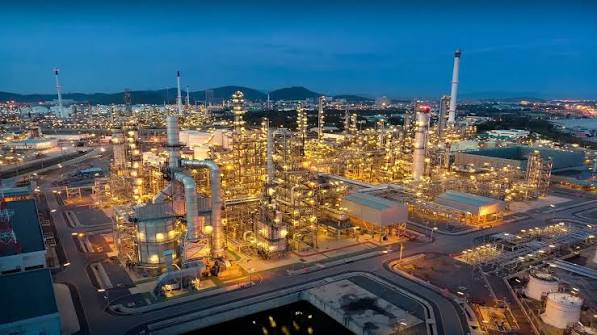
The Texas City facility Yara acquired instead is a conventional ammonia plant, built and operated without the carbon capture infrastructure central to the Louisiana design. It draws hydrogen and nitrogen through a long-term supply contract with Air Products rather than producing low-carbon hydrogen on site through capture technology.
This is not a criticism of the asset. The plant has a nameplate capacity of 1.3 million metric tons per year and offers Yara direct access to competitively priced Gulf Coast natural gas. It simply was not designed as a decarbonization project, and Yara has not announced plans to retrofit it into one.
Why Yara Made This Trade-off
Yara's public rationale for dropping Louisiana centered on financial returns, not on any loss of interest in low-carbon ammonia as a category. The company evaluated the project against its capital allocation framework and determined it did not clear the bar for proceeding.
Choosing Gulf Coast Ammonia instead reflects a preference for a proven, already-operating conventional asset over a multibillion dollar capture-based project still years from completion. It is a trade-off between:
Speed and certainty, since Texas City is already in commissioning and expected to reach stable operations by the end of 2026.
Lower carbon intensity, which the Louisiana project offered but Gulf Coast Ammonia does not currently provide.
Capital efficiency, given the $1.3 billion price tag is a fraction of what the Louisiana stake would have required.
What This Means for Buyers Chasing Low-Carbon Ammonia
Buyers who had been tracking the Louisiana project as a future source of lower carbon ammonia will need to recalibrate expectations. That specific supply pathway is no longer moving forward, at least not through this partnership structure.
For procurement teams building sustainability commitments around supplier carbon intensity, a few practical points follow:
Ammonia coming from the Texas City plant should be treated as conventional grade unless Yara announces a specific low-carbon retrofit.
Buyers seeking blue or green ammonia will need to look at other suppliers or projects still in development, rather than assuming Yara's expanded US capacity covers that need.
Contract language referencing carbon intensity or emissions factors should be checked carefully against the actual production source, especially as Yara's US portfolio now includes both conventional and potentially lower carbon assets in different locations.
The Door Isn't Fully Closed on Decarbonization
The Gulf Coast Ammonia setup does leave some room for a lower carbon pathway later. Yara has described the site as offering flexibility for a gradual move toward low-carbon ammonia production, though this depends on regulatory developments and whether the economics eventually make sense.
That is a meaningfully different commitment than the built-in 95 percent capture rate Louisiana promised. It is a possibility to monitor, not a feature buyers can rely on today.
What Procurement Teams Should Take From This
Teams managing supplier relationships with Yara should separate the company's overall ammonia strategy from the specific carbon profile of individual plants. Yara remains active on multiple fronts, including the renewable ammonia agreement tied to the NEOM project in Saudi Arabia, even as its newest US asset stays conventional.
A few steps worth taking:
Request clarity from suppliers on which specific facility is fulfilling an order when carbon intensity matters to your reporting.
Track whether Yara provides updates on low-carbon plans for Texas City as commissioning wraps up through 2026.
Keep NEOM-sourced renewable ammonia and Gulf Coast conventional ammonia as separate categories in supply planning, since they carry different carbon profiles entirely.
The Bottom Line for Buyers Weighing Carbon Intensity
Yara's Gulf Coast Ammonia acquisition strengthens its production base without carrying forward the carbon capture ambitions that defined the Louisiana project. That is a reasonable business decision given the cost and timeline differences between the two options, but it does change what buyers should expect from this particular supply source.
Anyone building sourcing strategy around low-carbon ammonia should treat this deal as a capacity story rather than a sustainability story. Ready to source ammonia from verified global suppliers? Explore competitive offers on our platform today.
Ammonia Anhydrous
Found this useful?