Gullfaks South Gas Discovery: How a Modest Find Could Benefit Norway’s Offshore Energy Supply
Why Existing Infrastructure Makes Small Gas Discoveries Valuable
The commercial value of an offshore discovery depends on more than its estimated resource volume. Access to existing production platforms, pipelines and processing facilities can reduce the need for entirely new infrastructure, making smaller discoveries more attractive to develop.
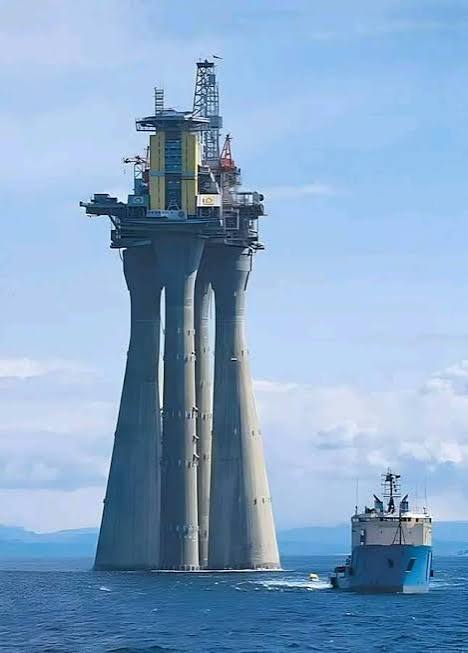
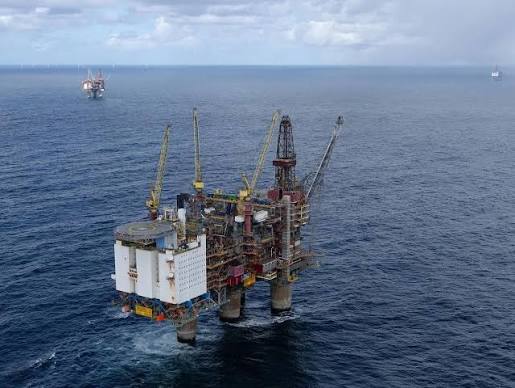
The Gullfaks area already has established offshore facilities and systems for handling oil and gas. Equinor's field information explains that Gullfaks South uses subsea installations connected to existing platforms, with gas transported through pipeline infrastructure for further processing and export.
This existing network provides an important commercial advantage when operators evaluate nearby resources. Depending on reservoir conditions and engineering requirements, a new discovery may be connected to existing facilities rather than developed as an independent production installation.
Potential benefits include:
Lower infrastructure requirements: Operators may avoid building a separate production platform if existing facilities can accommodate additional production.
Shorter development pathways: Existing pipelines and processing systems may simplify parts of the project, subject to technical assessments and approvals.
Better use of existing assets: Additional resources can help extend the productive life of established fields and support continued offshore activity.
More targeted procurement: A tie-back development may require specific subsea equipment, well services and process modifications rather than the full range of equipment needed for a standalone field.
These advantages are not automatic. Operators must assess available processing capacity, pipeline compatibility, reservoir pressure, production rates and the cost of connecting the new well to the existing system.
Implications for Natural Gas Markets and Energy Trade
The Gullfaks South discovery adds a relatively small volume of recoverable resources to an established North Sea production area. Its estimated 3.3 million to 10.3 million barrels of oil equivalent provides an indication of the potential resource scale, but the figure does not represent a guaranteed volume of future market deliveries.
Natural gas markets respond to a range of factors, including seasonal consumption, storage levels, pipeline availability, liquefied natural gas imports and production from existing fields. A single modest discovery is unlikely to transform the overall market balance on its own.
Its importance lies instead in the cumulative contribution of smaller developments. When operators bring multiple discoveries into production through existing infrastructure, those projects can help maintain output and reduce the decline of mature offshore assets.
For energy traders, the development reinforces the need to distinguish between resource estimates, production capacity and actual sales volumes. Procurement and trading decisions should reflect confirmed production schedules, available transportation capacity and applicable commercial agreements rather than discovery estimates alone.
The North Sea also has an established network of offshore service providers, equipment suppliers and energy infrastructure operators. Continued activity around mature fields can support demand for maintenance, well intervention, subsea services and specialised industrial materials, even when individual discoveries remain modest.
What the Discovery Could Mean for Chemical Suppliers
Gas production relies on a range of chemical products to support safe and efficient operations. Depending on the well design and operating conditions, offshore facilities may require chemicals for hydrate prevention, corrosion control, water treatment and equipment cleaning.
Methanol is one example of a chemical used in some natural gas operations to help prevent hydrate formation. Gas hydrates can form when water and natural gas combine under suitable pressure and temperature conditions, potentially restricting flow through pipelines and processing equipment.
However, the Gullfaks South announcement does not specify which chemicals the discovery will require. Product selection and volumes will depend on the operator's engineering assessment and the needs of any future development.
For chemical traders, potential areas to monitor include:
Methanol and other approved hydrate-control chemicals, where required by the operating system.
Corrosion inhibitors and water-treatment products selected for the relevant production conditions.
Cleaning chemicals and maintenance materials for offshore equipment.
Specialised packaging, storage and transport services that meet offshore delivery requirements.
Suppliers should confirm product specifications, compatibility and safety requirements before offering materials for an offshore application. A general-purpose industrial chemical may not meet the technical standards required for a particular production system.
The best commercial approach is to monitor procurement announcements and engage with qualified distributors or contractors when specific requirements become available. This helps businesses prepare competitively without assuming that a new discovery will immediately generate substantial orders.
Operational Efficiency and Risks in Mature Offshore Fields
Developing resources near existing infrastructure can improve project economics, but mature offshore fields still present operational challenges. Equipment ageing, maintenance requirements, available processing capacity and the condition of subsea systems all influence whether an additional discovery can be developed economically.
Operators must also consider the technical characteristics of the reservoir. Gas composition, pressure, flow rates and water production can affect the design of well equipment and the suitability of existing processing facilities.
For suppliers and procurement teams, these considerations create a need for reliable technical information and flexible delivery planning. Offshore projects often require products to meet precise specifications, arrive within narrow delivery windows and maintain traceability throughout the supply chain.
Several practical measures can help procurement teams manage these demands:
Verify technical requirements: Confirm product grades, material compatibility and operating specifications before placing orders.
Evaluate delivery reliability: Assess supplier capacity, shipping arrangements and contingency plans for time-sensitive materials.
Maintain documentation: Keep safety data sheets, certificates of analysis and relevant quality records ready for review.
Plan inventory carefully: Balance the need for operational readiness against the costs of holding specialised materials that may have limited alternative uses.
These practices are relevant to both large offshore developments and smaller projects that rely on existing facilities. Efficient procurement can help reduce delays and support continuity of operations.
What Buyers Should Watch in the Months Ahead
The Gullfaks South discovery demonstrates how targeted exploration around an established field can add resources without necessarily requiring a new standalone development. Equinor and its licence partners will assess the discovery in the context of the existing Gullfaks production system and its commercial potential.
For energy buyers, the key question is whether and when the estimated resources can translate into additional production. For industrial suppliers, the priority is identifying the specific services and materials that any development plan will require.
Procurement teams should monitor operator announcements, technical assessments and potential development decisions. They should also distinguish between confirmed contracts and broader market opportunities when forecasting demand.
The wider lesson for energy trading is straightforward: smaller discoveries can still matter when they benefit from established infrastructure, experienced operators and existing export routes. For chemical suppliers, careful preparation and specification-led sourcing provide a more reliable path to business than assuming every discovery will lead to immediate procurement activity.
Ready to source Methanol from verified global suppliers? Explore competitive offers on our platform today.
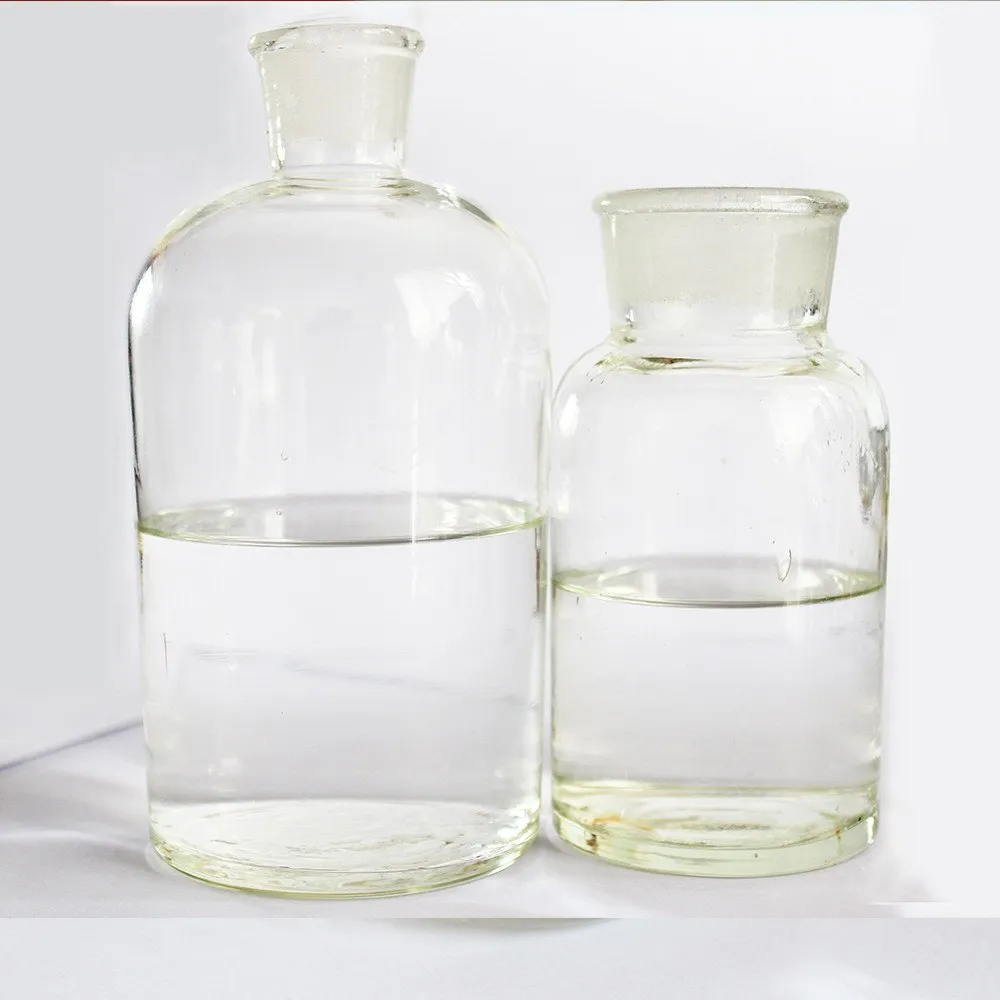
Methanol
Found this useful?