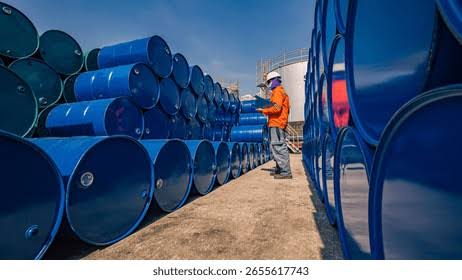
Hapag-Lloyd's Year-End Cape Routing Commitment: The Financial Implication for Chemical Shippers
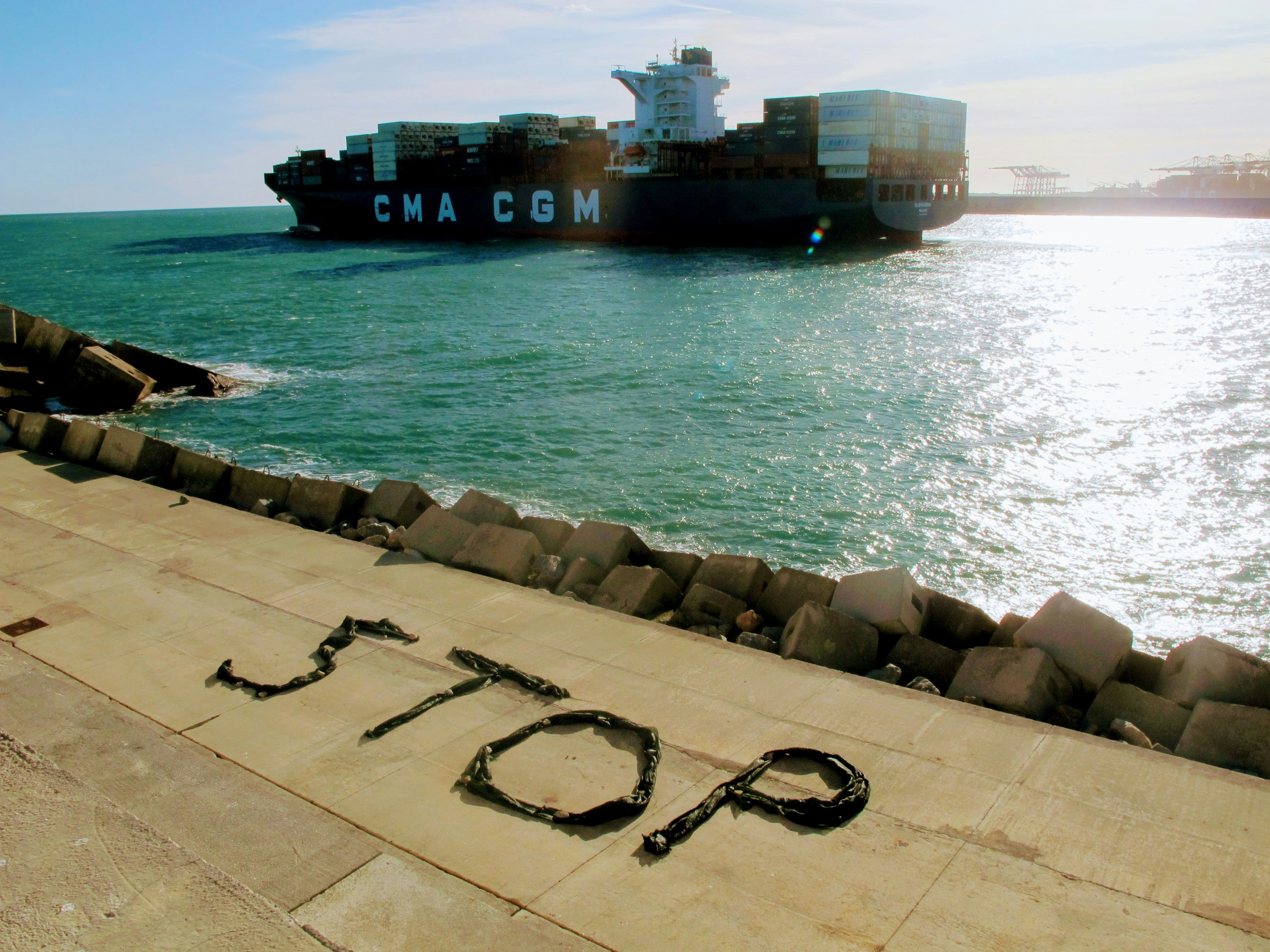
Hapag-Lloyd's Year-End Cape Routing Commitment: The Financial Implication for Chemical Shippers
Introduction
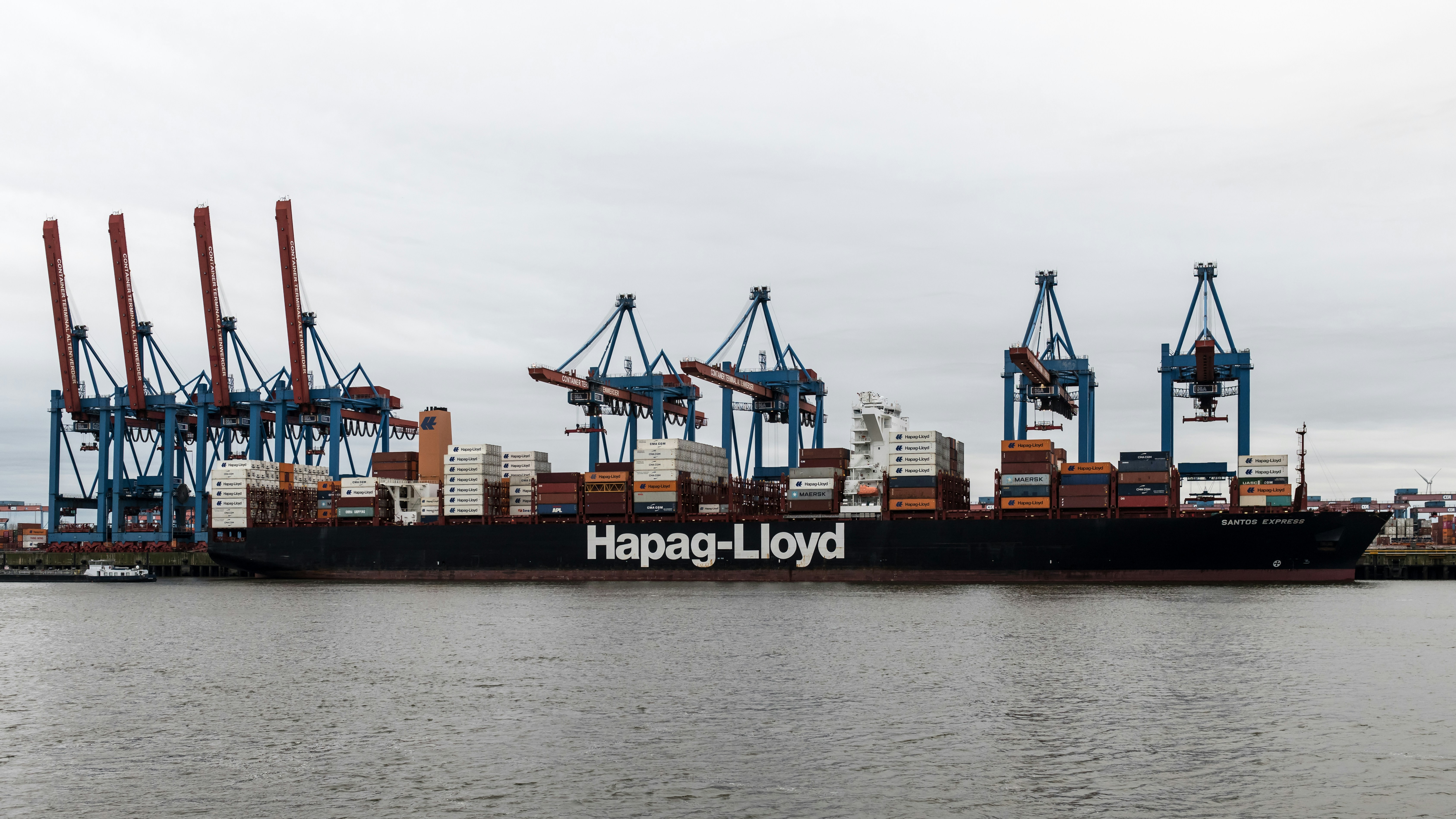
As geopolitical tensions continue to disrupt traditional maritime trade corridors, Hapag-Lloyd's commitment to continue routing vessels around the Cape of Good Hope through the end of the year represents a significant strategic decision for global supply chains. The longer voyage avoids higher-risk areas but comes with increased operating costs, extended transit times, and new planning challenges for cargo owners. Hapag-Lloyd has indicated that Middle East disruptions and Cape rerouting continue to weigh on operating costs and financial performance.
For chemical manufacturers, distributors, and procurement professionals, the decision has direct implications for freight budgets, inventory management, working capital, and supplier contracts. Understanding these financial impacts is essential for building resilient procurement strategies in the months ahead.
Why Cape Routing Matters
The Cape of Good Hope route provides an alternative to shorter passages through higher-risk maritime corridors. While it improves operational safety under current conditions, it also extends sailing distances and vessel operating time.
The longer routing generally results in:
Increased fuel consumption.
Higher vessel operating expenses.
Longer transit times.
Greater equipment utilization.
Reduced effective shipping capacity.
Higher insurance and logistics costs.
These additional expenses are often reflected in freight pricing and related surcharges.
Financial Impact on Chemical Shippers
Higher Ocean Freight Costs
Longer voyages increase bunker fuel consumption, crew costs, and vessel operating expenses. Chemical exporters and importers should expect continued pressure on ocean freight pricing while Cape routing remains in place.
Longer Cash Conversion Cycles
Extended transit times delay product delivery and customer invoicing, increasing the amount of working capital tied up in inventory moving through the supply chain.
Increased Inventory Carrying Costs
To avoid production interruptions, many manufacturers may increase safety stock levels, resulting in higher warehousing, storage, and financing costs.
Greater Contract Management Complexity
Procurement teams may need to review freight clauses, delivery schedules, and Incoterms to ensure contractual obligations remain aligned with longer shipping lead times.
Chemical Products Most Affected
Cape routing can influence shipments across numerous chemical sectors, including:
Petrochemicals
Industrial solvents
Polymer resins
Polyurethane raw materials
Electronic chemicals
Water treatment chemicals
Coatings raw materials
Specialty chemical intermediates
Products that rely on just-in-time delivery schedules may experience the greatest operational impact.
Procurement Strategies for Chemical Buyers
To reduce financial exposure, procurement teams should consider several practical measures.
Strengthen Demand Forecasting
Improve forecasting accuracy to account for longer replenishment cycles and minimize emergency purchases.
Optimize Inventory Policies
Review safety stock levels for critical raw materials while balancing inventory carrying costs against supply risks.
Diversify Logistics Options
Where commercially viable, evaluate multiple shipping routes, ports, and logistics providers to improve supply chain flexibility.
Collaborate with Suppliers
Maintain regular communication regarding production schedules, shipment departures, and expected delivery timelines.
Review Freight Contracts
Assess existing freight agreements for surcharge mechanisms, transit commitments, and force majeure provisions that could affect landed costs.
Broader Market Implications
The decision to maintain Cape routing reflects broader changes in global shipping rather than a temporary operational adjustment.
Potential market effects include:
Continued pressure on freight rates.
Longer average lead times.
Reduced effective vessel availability.
Higher insurance premiums for certain trade lanes.
Increased focus on supply chain resilience over lowest-cost logistics.
Hapag-Lloyd has also noted that operational disruptions have weighed on earnings, reinforcing the financial consequences of prolonged rerouting.
Preparing for the Months Ahead
Chemical companies can improve resilience by:
Monitoring carrier service updates.
Tracking freight market developments.
Building flexibility into procurement schedules.
Diversifying supplier locations where practical.
Incorporating logistics risk into sourcing decisions.
Reviewing working capital requirements associated with longer transit times.
Organizations that plan proactively will be better positioned to manage both cost volatility and supply continuity.
Conclusion
Hapag-Lloyd's commitment to continue Cape of Good Hope routing through year-end underscores how geopolitical events can reshape global logistics and procurement economics. While the strategy enhances operational security, it also increases transportation costs, extends delivery times, and places additional pressure on working capital for chemical shippers.
For procurement professionals, the priority should be balancing cost control with supply reliability. By strengthening supplier collaboration, improving inventory planning, and monitoring freight market developments, companies can reduce the financial impact of prolonged rerouting while maintaining dependable access to essential chemical products.

Alkalized Dark Brown Cocoa Powder
Found this useful?