Petrochemical Trade Route Reshaping: How New Polymer Supply Chains Are Changing Global Procurement
The recent disruption across Middle Eastern shipping lanes has prompted one of the most significant adjustments in polymer trade patterns in years. As security concerns affected cargo movements through the Strait of Hormuz, buyers, traders and manufacturers rapidly reassessed their sourcing strategies. The resulting changes extended beyond temporary logistics decisions, creating new supplier relationships and trade flows that continue to influence procurement decisions even as regional stability gradually improves.
For companies involved in polymer trading, July has become an important period for reviewing procurement strategies. Some emergency sourcing arrangements have proved reliable enough to remain part of long-term purchasing plans, while others may become less competitive as traditional Gulf exports recover. Understanding these developments helps procurement teams balance supply security with cost efficiency in an increasingly dynamic market.
Why Petrochemical Trade Routes Changed So Quickly
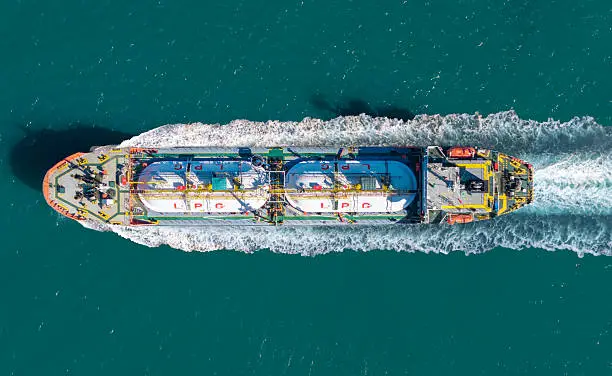
The Strait of Hormuz serves as one of the world's most important maritime corridors for crude oil, petrochemicals and polymer exports. Any disruption along this route immediately affects shipping schedules, freight costs and product availability across multiple continents. During the recent geopolitical tensions, shipping companies faced increased operational risks, prompting many vessels to delay departures or select longer alternative routes.
One of the most significant alternatives involved routing cargo around the Cape of Good Hope. Although this option allowed shipments to continue, it also increased transit times by several days or even weeks depending on the destination. Longer voyages translated into higher fuel consumption, increased insurance expenses and reduced vessel availability, all of which influenced the final landed cost of polymer products.
Procurement teams quickly recognized that relying on a single export region created unnecessary exposure to supply disruptions. Many buyers expanded their supplier networks to include producers in North America, East Asia and Southeast Asia. This diversification helped reduce delivery risks while maintaining production schedules for downstream manufacturers.
At the same time, exporters outside the Gulf region identified new commercial opportunities. Producers with available capacity responded by increasing shipments to markets that previously relied heavily on Middle Eastern suppliers. These adjustments demonstrated how global chemical markets can respond rapidly when traditional trade routes become constrained.
The situation also highlighted the growing importance of logistics intelligence in procurement planning. Companies monitored vessel movements, freight availability and regional shipping conditions almost as closely as they tracked polymer prices. Decisions increasingly reflected the total cost of supply rather than product pricing alone, encouraging buyers to adopt a broader approach to sourcing and risk management.
How the Polymer Market Responded to the Supply Chain Shift
The disruption in traditional shipping routes quickly changed the competitive landscape for polymer suppliers. Producers that could offer stable deliveries and competitive freight options gained immediate attention from buyers looking to reduce supply risks. As a result, procurement decisions became increasingly influenced by logistics performance rather than product specifications alone.
One of the most noticeable developments involved the stronger presence of United States polyethylene suppliers in Asian markets. Competitive feedstock costs, reliable export infrastructure and the ability to maintain shipments allowed many US producers to expand their customer base during the period of uncertainty. Buyers that previously depended on Middle Eastern cargoes began evaluating American suppliers for both short-term requirements and future contracts.
China also strengthened its position in regional polymer trade. Increased production from methanol-to-olefins facilities supported higher polyethylene exports across Asia, giving downstream manufacturers another sourcing option. For many buyers, this reduced the impact of delayed shipments from the Gulf while improving procurement flexibility.
Indian manufacturers responded by adjusting purchasing strategies instead of waiting for shipping conditions to stabilize. Many companies diversified imports across multiple origins to maintain uninterrupted production. Rather than relying on a single supplier, procurement teams spread purchase volumes across different regions to improve resilience against further disruptions.
European and Southeast Asian producers also benefited from changing market dynamics. Although these suppliers traditionally competed with Middle Eastern exporters on specific grades and regional markets, the temporary shift in trade flows allowed them to establish new customer relationships. Several buyers continued these partnerships even after logistics conditions began improving because they offered greater supply security.
The market demonstrated that supply chain flexibility has become a competitive advantage. Producers capable of adapting quickly to changing freight conditions strengthened their market position, while buyers gained valuable experience managing diversified procurement portfolios.
Regional Winners and Long-Term Market Implications
Every major trading region experienced the effects of the disruption differently. While some exporters gained market share, others focused on protecting existing customer relationships until logistics conditions improved.
United States
US polymer producers strengthened their presence in Asian markets by offering dependable export capacity during a period of uncertainty. Their established shipping infrastructure and competitive production economics made them attractive alternatives for buyers seeking stable deliveries.
China
Chinese manufacturers increased regional exports as domestic production supported additional supply. This expansion reinforced China's growing role as both a major producer and an important exporter within the Asian polymer market.
India
Instead of depending on a single source, Indian downstream manufacturers broadened their supplier base. This approach reduced operational risks and highlighted the importance of procurement flexibility during periods of geopolitical uncertainty.
Middle East
Producers in the Gulf faced logistical challenges rather than production limitations. As shipping conditions gradually improved, many exporters worked to restore traditional trade routes while strengthening relationships with customers that had temporarily shifted to alternative suppliers.
Southeast Asia and Europe
Suppliers in these regions filled temporary supply gaps and demonstrated their ability to compete in markets traditionally supplied by Gulf producers. Even if some emergency sourcing arrangements end, the commercial relationships established during this period may continue to create new business opportunities.
The experience has reshaped how procurement teams evaluate suppliers. Competitive pricing remains important, but companies increasingly assess reliability, logistics capability, geographic diversity and responsiveness before making purchasing decisions. These factors are expected to remain central to procurement strategies even after trade routes return to normal operations.
Pricing Trends and Market Drivers Shaping Polymer Trade
Price movements in the polymer market now reflect a wider range of factors than production costs alone. Feedstock prices remain important, but freight availability, shipping routes and regional inventory levels increasingly influence the final price paid by buyers. Procurement teams therefore need to evaluate the total landed cost instead of focusing only on the quoted product price.
Freight rates became one of the largest variables during the disruption. Longer shipping routes increased fuel consumption and vessel operating costs, which raised transportation expenses for many polymer grades. Even when product prices remained stable, higher logistics costs affected the competitiveness of different suppliers.
Several additional factors continue to influence pricing across global markets:
Feedstock availability directly affects production economics. Changes in crude oil and natural gas prices can quickly influence the cost of manufacturing polyethylene, polypropylene and other polymers.
Regional supply balances determine how aggressively producers compete for export markets. Higher inventories often encourage competitive pricing, while tighter supply supports stronger prices.
Shipping capacity remains an important consideration. Port congestion, vessel availability and container shortages can increase delivery times and overall procurement costs.
Currency fluctuations also influence international trade. Exchange rate movements can make one supplier more competitive than another, even when production costs remain similar.
Seasonal demand from packaging, construction and consumer goods industries creates regular shifts in purchasing activity throughout the year.
Rather than reacting to daily price movements, many procurement professionals now monitor broader market indicators. This approach helps distinguish temporary volatility from genuine changes in long-term market direction.
Supply Chain Risks Buyers Should Continue Monitoring
Although shipping conditions have improved compared with the height of the disruption, supply chain risks have not disappeared. Global chemical trade remains vulnerable to geopolitical events, weather disruptions and transportation constraints that can affect product availability with little warning.
One important lesson from the recent market disruption is that operational resilience depends on preparation before problems occur. Companies that already maintained relationships with suppliers across multiple regions generally adapted more quickly than those relying on a single source.
Procurement teams should regularly assess several risk areas:
Review supplier concentration to avoid excessive dependence on one production region.
Monitor shipping routes for potential delays caused by geopolitical developments or port congestion.
Evaluate supplier inventory levels and production capacity before negotiating long-term contracts.
Compare total landed costs instead of product prices alone, since freight and insurance can significantly influence procurement decisions.
Maintain regular communication with logistics providers to receive early updates on transportation disruptions.
Digital market intelligence tools have also become more valuable. Real-time information about freight conditions, production outages and regional demand enables purchasing teams to respond faster to changing market conditions.
Building a More Resilient Procurement Strategy
The recent changes in polymer trade have encouraged companies to rethink traditional procurement models. Rather than selecting suppliers solely on price, many organizations now evaluate long-term reliability, logistics capability and business continuity planning as equally important criteria.
A resilient procurement strategy begins with supplier diversification. Working with qualified suppliers from different regions reduces dependence on a single trade corridor and provides greater flexibility when unexpected disruptions occur.
Long-term contracts also deserve careful review. Fixed agreements may provide supply security, but they should include enough flexibility to accommodate significant market changes. Companies increasingly negotiate terms that allow adjustments in delivery schedules or sourcing locations when logistics conditions change.
Inventory planning has become another strategic priority. Maintaining appropriate safety stock helps manufacturers continue production during temporary transportation delays without creating unnecessary storage costs. The ideal inventory level varies by industry, production schedule and supplier reliability.
Collaboration across procurement, logistics and operations teams further strengthens decision-making. Sharing market intelligence enables organizations to identify potential risks earlier and respond with coordinated purchasing strategies instead of reactive decisions.
What Buyers Should Do Now
The polymer market is entering a period where some emergency sourcing strategies will remain valuable while others gradually become less relevant. Procurement teams should avoid assuming that trade patterns will simply return to their previous structure. Several new supplier relationships established during the disruption have demonstrated long-term commercial value beyond the immediate crisis.
A practical approach includes reviewing supplier performance over the past several months, comparing total procurement costs and identifying which sourcing arrangements delivered the greatest reliability. Buyers should also continue monitoring developments affecting Gulf exports while remaining open to maintaining diversified sourcing portfolios.
Businesses that combine competitive pricing with supply chain resilience will likely remain better positioned for future market uncertainty. The recent disruption showed that flexibility has become an essential competitive advantage rather than an optional procurement strategy.
Ready to source polymer products from verified global suppliers? Explore competitive offers on our platform today.

High Density Polyethylene (HDPE)
Found this useful?