H.B. Fuller's $943 Million AMS Acquisition: What It Means for the Medical Adhesives Market
What It Means for the Medical Adhesives Market
H.B. Fuller has agreed to pay $943 million, or £2.85 per share, to acquire UK-based Advanced Medical Solutions (AMS), a deal that instantly makes the Minnesota-based adhesives giant the second-largest tissue bonding adhesive company in the world. The offer, structured as a £715 million all-cash transaction, marks the largest acquisition under CEO Celeste Mastin's tenure and signals a deliberate pivot toward higher-margin medical adhesives at a moment when wearable devices and advanced wound care are reshaping demand for skin-contact bonding technologies.
Why H.B. Fuller Is Betting Big on Medical Adhesives
Mastin has been explicit that medical adhesives represent a core strategic growth market for the company. The appeal comes down to three structural factors:
Durable demand trends driven by aging populations, chronic wound care needs, and the rapid expansion of wearable medical devices such as continuous glucose monitors.
High regulatory-based entry barriers that protect incumbents like AMS from low-cost competition, since medical-grade adhesives require extensive biocompatibility and safety validation.
Stronger margin profiles compared to Fuller's traditional industrial and packaging adhesive lines, which face more commoditized pricing pressure.
Wearable device manufacturers in particular have been vocal about the technical difficulty of formulating an adhesive that bonds reliably to varied device substrates while remaining gentle enough for sensitive or pediatric skin over extended wear times. AMS's R&D depth, built around a team of more than 75 specialists, positions H.B. Fuller to compete more directly in that space.
Inside the Deal: Structure and Valuation
Under the terms of the offer, AMS shareholders will receive £2.85 per share in cash, valuing the company at roughly £715 million, or approximately $943 million at prevailing exchange rates. H.B. Fuller is paying a pre-synergy EBITDA multiple of 12.9x, based on 2026 consensus forecasts for AMS's IFRS-reported earnings. Once full run-rate synergies are factored in, management expects that multiple to fall below 8x.
The company is projecting approximately $55 million (about £41 million) in combined run-rate revenue and cost synergies by 2031, driven by the elimination of duplicate public company costs, rationalization of overlapping expenses, and sourcing efficiencies across the combined supply base.
What AMS Brings to the Table
AMS is a differentiated formulator with an established global commercial footprint. The business generates approximately $300 million in annual revenue today, and H.B. Fuller intends to fold it into a new reporting segment expected to reach roughly $370 million in annual revenue, about 10% of the combined company's total. Key assets include:
A pan-European sales force embedded across hospital systems, healthcare markets, and specialty distributors, which Fuller expects will create near-immediate cross-selling opportunities.
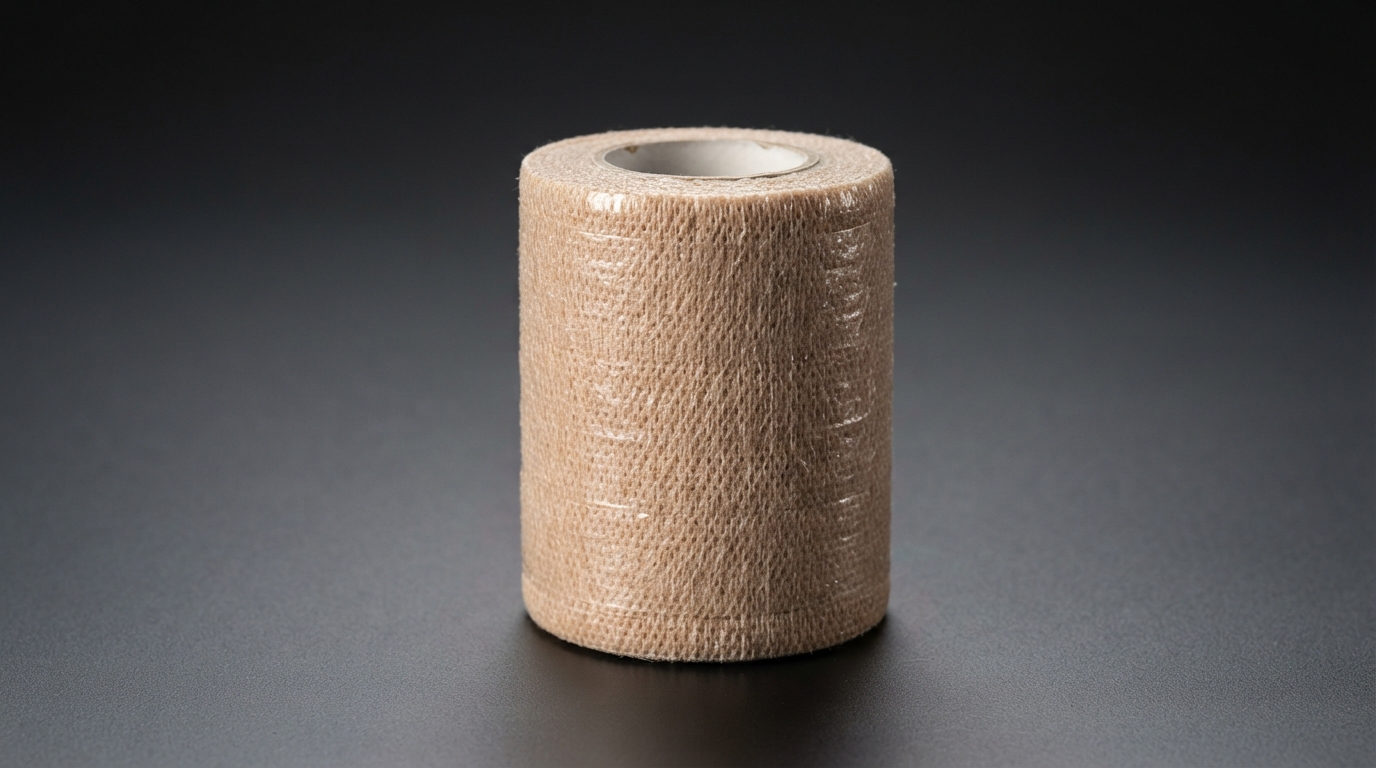
A product portfolio spanning tissue bonding adhesives, tapes and dressings, and formulated biosurgicals.
An expected expansion of H.B. Fuller's total addressable market by $15 billion, pushing it from $80 billion to roughly $95 billion.
In return, AMS is expected to gain from H.B. Fuller's established U.S. distribution and manufacturing infrastructure as it looks to accelerate its own American market penetration.

Investor Pushback and the M&A Debate
The timing of the bid has drawn scrutiny. Just months earlier, in March, some investors publicly raised concerns about H.B. Fuller's debt load and cash position following a run of 11 acquisitions in recent years. Activist investor Ancora has openly opposed the AMS deal, and Mastin herself acknowledged she was prepared to pause the company's acquisition strategy and "reload" before a rival bid for AMS emerged.
Markets reacted sharply to the news. H.B. Fuller shares fell roughly 14% in premarket trading the day the offer was announced, even as the company simultaneously reported a second-quarter earnings beat and raised its full-year adjusted EPS guidance to a range of $4.60 to $4.90. Net debt stood at $1.958 billion at the time of the announcement, down modestly year-on-year, with net debt-to-adjusted EBITDA improving to 3.1x from 3.4x.
For context, this deal remains smaller than H.B. Fuller's largest-ever acquisition: the 2017 purchase of Royal Adhesives and Sealants for $1.6 billion, itself completed at an 11.4x EBITDA multiple before cost synergies.
How This Reshapes the Global Tissue Bonding Adhesives Market
The AMS acquisition consolidates a fragmented but fast-growing corner of the specialty chemicals landscape. A few implications stand out for the broader market:
Competitive concentration: with the deal closed, H.B. Fuller becomes the world's second-largest tissue bonding adhesive supplier, tightening the field for buyers who previously sourced across a wider set of mid-sized specialists.
Cross-industry demand pull: growth in wearable medical devices is increasingly influencing formulation priorities across the entire medical adhesives category, not just wound care.
Regional rebalancing: AMS's strong European hospital and distributor network, combined with H.B. Fuller's U.S. infrastructure, is likely to accelerate transatlantic supply integration for medical-grade adhesive products.
Supply Chain and Sourcing Implications for Buyers
For procurement teams in pharmaceutical, medical device, and wound care manufacturing, consolidation of this scale tends to bring both opportunity and risk. On one hand, a larger combined entity may offer broader product ranges and more consistent global supply. On the other, buyers accustomed to sourcing from AMS as an independent, specialized supplier should expect commercial terms, lead times, and account structures to shift as integration progresses through 2026 and into 2027.
Buyers relying on adhesive raw materials that feed into these formulations, including acrylate-based monomers used widely across medical and industrial adhesive production, may also see indirect pricing effects as demand consolidates around fewer, larger buyers negotiating at scale.
What Procurement Teams Should Watch Next
The H.B. Fuller-AMS deal is a reminder that specialty adhesive supply chains are consolidating quickly around a handful of well-capitalized players with deep regulatory and R&D capabilities. Procurement teams sourcing medical-grade adhesives, tapes, dressings, or the raw chemical inputs behind them should track integration milestones closely over the next 12 to 18 months, reassess supplier concentration risk, and build relationships with alternative qualified suppliers where possible. As consolidation reshapes pricing power across this segment, diversified sourcing will matter more, not less.
Ready to source adhesive raw materials from verified global suppliers? Explore competitive offers on our platform today.
2-Ethylhexyl Acrylate
Found this useful?