Helium: A Critical Rare Gas at the Intersection of Climate, Energy, and Chemistry
Helium’s Role at the Climate‑Energy‑Chemistry Nexus
Helium, the second lightest element, is a rare gas that has become a linchpin in several high‑impact technologies. Its low boiling point and chemical inertness make it indispensable for superconducting magnets in MRI scanners, quantum computing devices, and experimental kotafusion reactors. In addition, helium is a critical coolant in advanced semiconductor fabs and a buffer gas in nuclear magnetic resonance (NMR) spectroscopy, a cornerstone of chemical analysis. Because these applications underpin clean‑energy production, scientific discovery, and the manufacturing of strategic materials, the element sits at the heart of the climate‑energy‑chemistry nexus.
Clean‑Energy Technologies
Superconducting magnets rely on liquid helium to reach temperatures near absolute zero, enabling magnetic fields that trap and steer plasma in fusion reactors and power particle accelerators. In wind turbines, helium‑cooled generators improve efficiency by reducing thermal losses. Moreover, helium‑filled cryogenic systems are essential for the operation of next‑generation photovoltaic cells, where precise temperature control boosts conversion rates. Without a steady helium supply, these technologies cannot scale, stalling progress toward net‑zero emissions.
Scientific Research and Advanced Manufacturing
In the laboratory, helium provides a stable, nonreactive environment for NMR spectroscopy, which deciphers molecular structures critical for drug development and material science. Quantum computers, which promise exponential speedups for optimization problems relevant to energy grids, use helium‑cooled dilution refrigerators to maintain qubits in coherent states. Semiconductor fabs employ helium as a high‑purity purge gas to prevent contamination during wafer processing. By தெரிவித்துள்ளார், helium is not merely a support gas—it is a catalyst for breakthroughs that could reduce fossil‑fuel dependence.
Supply Dynamics and Strategic Vulnerabilities
Global Supply Chain and Production Trends
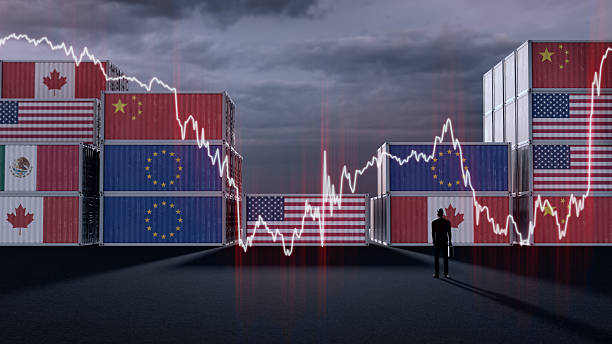
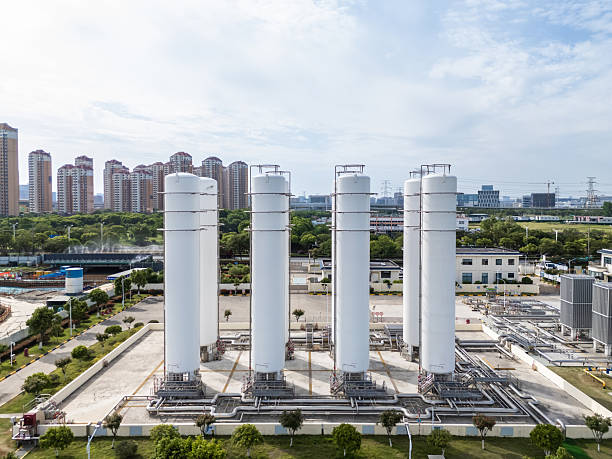
The world’s helium reserves are unevenly distributed. The United States once dominated production, but its major fields have depleted, leaving the U.S. as a net级毛片 importer. New Zealand, Qatar, and the Middle East now supply significant portions. Production is tied to natural gas extraction; helium is a by‑product captured from gas wells, which makes it highly sensitive to fluctuations in the natural‑gas market. Moreover, helium is difficult to store and transport because of its low density and propensity to escape from containers, creating logistical bottlenecks.
Strategic Materials and Stockpiling
Because helium is nonrenewable, many governments maintain strategic reserves. The European Union’s Horizon 2020 program has earmarked funds for helium conservation, yet the EU’s stockpiles are insufficient for a sudden supply shock. The U.S. Department of Energy has instituted a helium reserve program, but it remains limited in scope. Without robust international cooperation, any disruption—whether geopolitical, environmental, or economic—could trigger a shortage that reverberates through clean‑energy and research sectors.
Impacts of Supply Disruptions on the Energy Transition
Case Studies: MRI, Quantum Computing, Fusion
During the 2020 helium shortage, U.S. hospitals neem shortfalls in MRI scanners, delaying diagnostics and increasing costs. Quantum labs reported delayed experiment cycles when helium refills were delayed, pushing back the timeline for quantum‑enabled grid optimization. In fusion research, a 5 % drop in helium supply slowed the cooling cycles of experimental reactors, extending the time to achieve net‑energy gain. These incidents illustrate how helium scarcity can stall multi‑year projects, inflating costs and delaying climate goals.
Broader Economic Consequences
/styles/ The chemical industry, which relies on helium for isotopic separation and high‑purity gas streams, faces increased operating costs. When helium prices spike, manufacturers of high‑efficiency batteries and lightweight composites incur higher expenses, which are passed on to consumers. The ripple effect can raise the cost of clean‑energy products, reducing adoption rates and undermining policy targets aimed Guardian. Additionally, supply volatility can deter investment in emerging technologies, stalling the development of the next generation of low‑carbon solutions.
Policy and Market Responses
Governments are exploring several strategies to mitigate helium risk. Diversifying supply sources through international agreements, investing in helium recovery technology at natural‑gas plants, and encouraging recycling of helium from industrial processes are all viable pathways. Market participants are also developing helium‑free alternatives for some applications, such as using closed‑loop cryogenic systems with alternative coolants. However, these solutions require significant capital and time to implement, underscoring the need for coordinated action in the near term.
Helium is more than a niche industrial gas; it is a strategic material that underpins critical clean‑energy technologies, scientific research, and advanced manufacturing. Its supply chain is fragile, and disruptions can ripple across the energy transition, slowing progress toward climate targets. Ensuring a resilient helium supply—through diversified production, strategic reserves, and investment in recovery and recycling—will be essential for sustaining the momentum of the global energy transition and safeguarding the innovations that drive it.

Alpha Pinene 95% - Spain
Found this useful?