Helium: China's Export Block and the Semiconductor Supply Chain Emergency
The global helium market entered a new phase of disruption on July 10, 2026, when China blocked helium exports while international supply was already under severe pressure. The helium market had been struggling with reduced availability after significant damage at Qatar's Ras Laffan production facilities, making this latest development a major concern for industrial buyers.
For procurement managers, semiconductor manufacturers and laboratory operators, the timing could not be worse. With an estimated 25 to 30 percent of global supply already affected, the removal of Chinese export volumes creates immediate sourcing challenges that extend across electronics, healthcare and scientific research.
Why Helium Has Become a Critical Supply Chain Material
Helium remains one of the most difficult industrial gases to replace. Unlike many commodity chemicals, helium offers unique physical properties that make it essential for highly specialized manufacturing and research processes.
Its non-reactive nature, extremely low boiling point and exceptional cooling capability support applications where alternative gases cannot deliver the same performance.
Major industries relying on helium include:
Semiconductor manufacturing, where helium supports lithium ion implantation, plasma etching and advanced wafer fabrication processes.
Medical imaging, where MRI systems depend on helium to maintain superconducting magnets at cryogenic temperatures.
Scientific laboratories that operate NMR equipment, particle research systems and other precision analytical instruments.
Aerospace and advanced manufacturing, where helium provides safe pressurization and leak detection.
How Multiple Supply Shocks Created Today's Emergency
The current market disruption did not begin with China's export restrictions. Buyers were already managing an increasingly constrained supply environment after significant production losses in Qatar.
Damage at Ras Laffan reduced a substantial portion of global helium production capacity, forcing buyers to compete for smaller available volumes across international markets.
China's export block has now removed another meaningful source from international trade, tightening supply even further.
The combination creates several immediate challenges:
Existing long term supply contracts may experience allocation reductions as suppliers prioritize strategic customers.
Spot market availability is expected to become extremely limited, pushing procurement teams toward emergency sourcing.
Lead times for bulk deliveries and packaged gas cylinders are likely to increase as inventories decline.
Why Semiconductor Manufacturers Face the Greatest Risk
The semiconductor industry may experience the most immediate operational impact because helium supports several manufacturing stages where process stability remains essential.
Lithium ion implantation relies on helium for precise manufacturing conditions that directly influence chip quality. Plasma etching processes also consume helium in advanced fabrication facilities.
Production interruptions could affect:
Memory chip manufacturing.
Advanced processor fabrication.
Power semiconductor production.
Specialty electronic component manufacturing.
Even facilities with strong inventory management may encounter challenges if replenishment cycles become longer than expected.
Global Helium Trade Is Shifting Rapidly
International buyers must now reconsider traditional sourcing strategies.
With Chinese exports unavailable and Qatari production constrained, procurement teams are expanding supplier qualification programs across alternative producing regions.
Potential supply options include:
US reserve operators capable of supporting industrial and strategic demand.
Australian production from the North Dome region.
Russian Gazprom supply through sanctions compliant commercial channels where legally permitted.
Diversifying supply sources has shifted from a cost optimization strategy to a business continuity requirement.
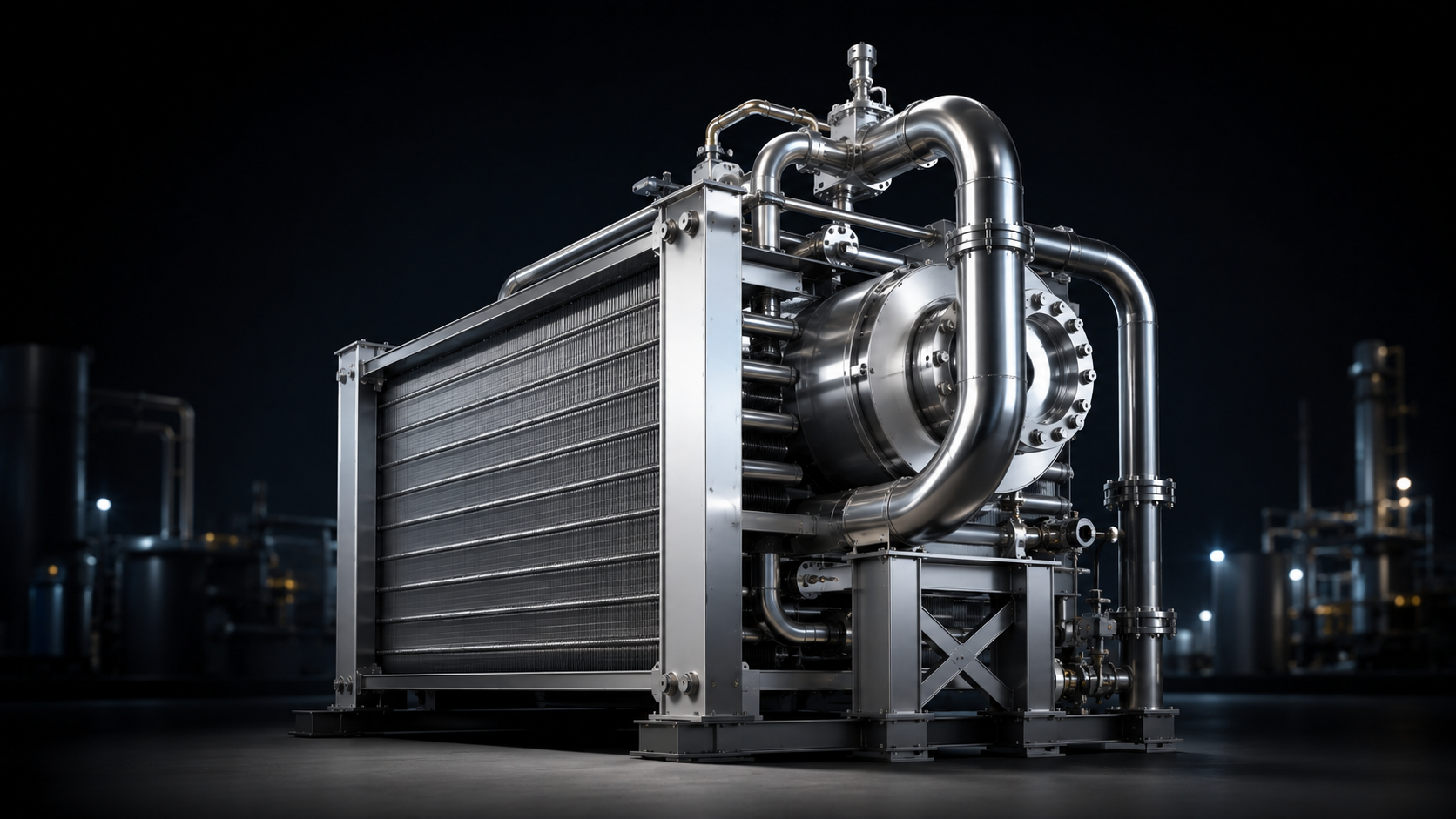
Helium Recovery Systems Are Becoming Essential Investments
Many organizations previously viewed helium recovery as a long term sustainability initiative. The current supply environment changes that calculation significantly.
Recovery and recycling systems allow facilities to capture, purify and reuse helium that would otherwise be released during manufacturing or laboratory operations.
Organizations that invest in recovery technology may benefit through:
Lower dependence on external supply during market shortages.
Reduced long term operating costs despite higher initial investment.
Greater resilience against future supply disruptions.
Improved environmental performance through reduced resource consumption.
Facilities with high helium consumption should evaluate recovery projects as part of their emergency procurement strategy rather than future capital planning.
Process Optimization Can Reduce Helium Consumption
Not every application requires complete dependence on helium.
Engineering teams should review manufacturing processes to determine where consumption can be reduced without compromising product quality or operational safety.
Potential opportunities include:
Optimizing flow rates during manufacturing.
Reducing unnecessary purge cycles.
Identifying applications where alternative gases meet technical specifications.
Improving leak detection and preventive maintenance programs.
These measures may not eliminate helium demand completely, but they can significantly reduce overall consumption during periods of constrained supply.
Procurement Priorities During the Supply Crisis
The current market requires procurement teams to move faster than traditional purchasing cycles.
Supplier diversification should become the highest priority, particularly for manufacturers with continuous production schedules.
Key procurement actions include:
Contact every qualified non-Chinese and non-Qatari helium supplier immediately to understand available capacity.
Review inventory levels across every production site instead of relying on centralized reporting.
Strengthen communication with critical suppliers to receive early updates regarding allocation policies.
Assess contractual flexibility for emergency purchases even if pricing exceeds historical averages.
Coordinate closely with engineering teams to prioritize helium allocation for the most critical production lines.
Companies that delay sourcing decisions may find fewer supply options available as global inventories tighten.
Market Outlook for 2027
The supply outlook depends largely on production recovery and geopolitical developments.
Repair work at Qatar's damaged facilities is expected to require between two and five years, limiting the likelihood of a rapid increase in global supply. Meanwhile, China's export restrictions continue to reshape international trade flows and purchasing strategies.
Industrial buyers should expect:
Continued supply volatility.
Elevated pricing pressure.
Greater competition for contracted volumes.
Increased investment in helium recycling infrastructure.
Broader qualification of regional suppliers.
Organizations that establish diversified supply networks today will likely manage future disruptions more effectively than companies relying on a single sourcing region.
What Buyers Should Do Now
The helium market has entered an unprecedented period where supply security outweighs traditional purchasing priorities. Procurement teams must focus on supplier diversification, inventory visibility and demand reduction while maintaining close coordination with production and engineering departments.
Companies that act quickly can improve supply resilience before additional market tightening occurs. Ready to source helium from verified global suppliers? Explore competitive offers on our platform today.
Ammonium Sulphate - China
Found this useful?