
Henkel's Stahl Acquisition Expands Specialty Coatings Into Food Packaging Markets
Henkel’s planned €2.1 billion acquisition of Dutch specialty coatings company Stahl marks a significant move into coating technologies connected to packaging applications. The transaction gives Henkel a broader position in a market where performance, regulatory requirements and material efficiency increasingly influence purchasing decisions.
For chemical traders, procurement managers and packaging manufacturers, the deal matters beyond the corporate transaction itself. A larger combined portfolio could affect sourcing strategies, supplier relationships and demand for specialty coating materials used across packaging and other industrial applications.
Henkel and Stahl Create a Larger Specialty Coatings Platform
Henkel’s acquisition of Stahl expands its exposure to specialty coatings while adding a company with an established presence in markets linked to packaging. Stahl’s technologies serve applications where coatings must deliver specific surface, barrier or functional characteristics rather than simply provide a conventional protective layer.
The €2.1 billion transaction therefore represents more than an expansion in product coverage. It gives Henkel an opportunity to build greater scale around specialized coating solutions and strengthen its position in markets where customers increasingly require materials that support both performance and regulatory objectives.
For buyers, the development creates an important supplier landscape to watch. Greater consolidation can bring advantages through broader technical capabilities, but it can also change how customers evaluate alternative suppliers and negotiate sourcing arrangements.
Why Food Packaging Is Strategically Important
Food packaging creates demanding conditions for coating suppliers. Materials must support packaging performance while meeting requirements associated with food contact, migration control, processing conditions and product protection.
Specialty coatings can contribute to several functions within packaging structures, including:
Surface performance: Coatings can improve properties such as printability, adhesion and resistance to handling or processing conditions.
Barrier performance: Functional coating systems can help packaging structures manage exposure to moisture, grease or other external factors.
Processing efficiency: Coating technologies can support manufacturing processes that require controlled application and consistent surface performance.
Material optimization: Advanced coatings may help packaging producers achieve required functionality without relying entirely on thicker or more complex material structures.
This makes packaging a strategically attractive market for specialty chemical suppliers. Demand depends not only on packaging volumes but also on the technical requirements attached to each application.
What the Stahl Acquisition Means for Coating Buyers
The acquisition could influence procurement decisions in several ways. A broader supplier with expanded specialty coating capabilities may become more relevant to customers seeking to consolidate purchasing across related applications.
At the same time, procurement teams will continue to assess suppliers according to technical specifications, qualification requirements, pricing and supply continuity. A major acquisition does not automatically remove the need for competitive sourcing.
Buyers should monitor:
Portfolio changes: Product ranges and technical capabilities may evolve as the businesses integrate.
Supplier concentration: Consolidation can affect the number of qualified sources available for specialized applications.
Qualification requirements: Packaging applications often require detailed testing before customers can approve a new coating system.
Regional availability: Importers and distributors need to track how production and distribution networks support their target markets.
Commercial terms: Changes in supplier scale can influence negotiations around volume, contracts and long-term supply.
Packaging Coatings Face Technical and Regulatory Pressure
Packaging customers increasingly need coating systems that perform under demanding manufacturing and end-use conditions. The challenge becomes more complex when a material comes into contact with food or forms part of a structure designed to protect sensitive products.
Procurement teams therefore need to consider more than the headline price of a coating. A material that appears cheaper at purchase can create higher costs if it requires additional processing, produces inconsistent results or complicates customer qualification.
For specialty coating buyers, the most relevant evaluation points include:
Technical consistency: Stable product quality helps manufacturers maintain predictable production performance.
Regulatory suitability: Packaging applications can require close attention to applicable food-contact and chemical regulations.
Application compatibility: Coatings must match the substrate, production process and intended packaging function.
Supply reliability: Consistent availability becomes critical when a coating forms part of a high-volume packaging operation.
These requirements create an environment where technical support can matter almost as much as product availability. Suppliers that combine reliable chemical supply with application expertise can gain an advantage in specialized packaging markets.
How Consolidation Could Change Specialty Coatings Supply
The Henkel-Stahl transaction highlights a broader commercial issue for the specialty chemicals sector: consolidation can reshape the competitive structure around niche technologies.
Larger suppliers may gain greater resources for research, technical development and customer support. They can also potentially combine complementary technologies and use a wider commercial network to serve multinational customers.
However, procurement teams should avoid relying on a single supplier simply because a larger organization offers a broader portfolio. Supplier diversification remains an important risk-management tool, particularly for companies operating across international packaging markets.
Importers and distributors can strengthen their sourcing position by maintaining relationships with multiple qualified producers. This approach can provide greater flexibility when market conditions, production schedules or regional supply patterns change.
Opportunities for Chemical Traders and Distributors
The acquisition could create opportunities beyond direct packaging manufacturers. Traders supplying coating ingredients and related industrial chemicals may see continued demand from producers developing or manufacturing specialty coating systems.
Several areas deserve attention from chemical distributors:
Functional additives: Coating formulations can require specialized ingredients that support performance, stability and application characteristics.
Resins and polymers: These materials can form important components of coating systems used across industrial and packaging applications.
Solvents and processing chemicals: Depending on formulation technology, manufacturers may require materials that support application and curing processes.
Pigments and functional fillers: These can contribute to appearance, coverage and selected performance properties.
Specialty intermediates: Niche coating technologies can depend on chemical inputs that require consistent quality and reliable international sourcing.
The commercial opportunity lies in understanding where these materials fit within the wider formulation chain. Traders that understand both chemical specifications and downstream application requirements can better serve sophisticated buyers.
Procurement Priorities After the Henkel-Stahl Deal
The transaction gives procurement teams another reason to review their specialty coatings sourcing strategies. Buyers do not need to react to the acquisition itself, but they should understand how supplier consolidation could influence their future purchasing environment.
A practical procurement approach should include:
Reviewing current dependence on individual coating suppliers.
Identifying qualified alternatives for critical coating applications.
Tracking changes in product portfolios and regional distribution.
Comparing technical specifications before switching materials.
Assessing total procurement costs rather than focusing only on unit prices.
Maintaining documentation needed for packaging and food-contact applications.
Building relationships with reliable international chemical suppliers.
This approach can help buyers respond quickly if commercial terms, availability or product portfolios change after market consolidation.
The Outlook for Specialty Coatings and Packaging
The specialty coatings market connected to packaging should remain strategically important as manufacturers seek higher performance from packaging materials. Demand can come from food protection, processing efficiency, surface functionality and the need to meet evolving material requirements.
Henkel’s €2.1 billion move for Stahl places additional attention on this segment. The transaction gives the combined business an opportunity to expand its reach across specialized coatings while increasing its relevance to customers operating in packaging-related markets.
For chemical buyers, the bigger issue is how this changing competitive environment affects sourcing options. Procurement teams that track supplier portfolios, maintain qualified alternatives and understand the chemical inputs behind specialty coating systems will be better positioned to manage future purchasing decisions.
The Bottom Line for Procurement Teams
Henkel’s Stahl acquisition demonstrates how major chemical companies are using specialty coatings to strengthen their positions in application-driven markets. Its connection to packaging makes the transaction particularly relevant for buyers focused on food packaging, functional surfaces and high-performance coating technologies.
The deal may also reinforce the value of flexible sourcing for chemical traders and procurement teams. As suppliers consolidate, buyers can protect continuity by combining technical qualification with competitive international sourcing and by keeping alternative supply channels active.
For the wider chemical market, the transaction signals continued commercial interest in specialty formulations where technical performance can create stronger customer relationships. Buyers should watch how the combined portfolio develops and evaluate sourcing opportunities based on quality, compliance, availability and total cost.
Ready to source Titanium Dioxide from verified global suppliers? Explore competitive offers on our platform today.
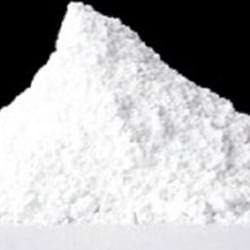
Titanium Dioxide
Found this useful?