Henry Hub Prices and the Cost Curve for U.S. Olefins/Methanol Producers
Henry Hub Prices and the Cost Curve for U.S. Olefins/Methanol Producers
Introduction
Henry Hub, the benchmark for U.S. natural gas pricing, plays a critical role in determining the competitiveness of the country's olefins and methanol industries. Because natural gas serves as both a fuel and a primary feedstock for chemical manufacturing, changes in Henry Hub prices directly influence production costs, operating margins, and export competitiveness.
As natural gas prices fluctuate due to seasonal demand, LNG exports, weather events, and supply dynamics, chemical producers must continuously reassess their cost structures. Understanding how Henry Hub prices affect the industry cost curve is essential for procurement teams, investors, and manufacturers seeking to remain competitive in global markets.
Why Henry Hub Matters
Henry Hub is the most widely used natural gas benchmark in North America. Since natural gas accounts for a significant portion of production costs for methanol plants and provides ethane feedstock for steam crackers producing olefins, movements in Henry Hub prices have a direct impact on manufacturing economics.
Key factors influencing Henry Hub prices include:
U.S. shale gas production.
LNG export demand.
Seasonal heating and cooling requirements.
Storage inventory levels.
Weather-related supply disruptions.
Lower Henry Hub prices generally strengthen the competitive position of U.S. chemical producers in global export markets.
Understanding the Industry Cost Curve
A cost curve ranks producers based on their production costs, allowing companies to compare their competitiveness against other manufacturers worldwide. Producers with lower production costs generally remain profitable even during periods of weaker commodity prices, while higher-cost producers may reduce operating rates or temporarily shut down production.
For U.S. producers, Henry Hub prices are one of the most important variables shaping this cost curve.
Major cost components include:
Natural gas feedstock.
Utilities and energy consumption.
Plant operating expenses.
Transportation and logistics.
Maintenance and labor costs.
Changes in natural gas prices can quickly shift a producer's position on the global cost curve.
Impact on U.S. Methanol Producers
Natural gas represents the largest variable cost in conventional U.S. methanol production. When Henry Hub prices remain relatively low, producers benefit from lower manufacturing costs and stronger export competitiveness.
Lower gas prices can provide several advantages:
Reduced feedstock costs.
Higher operating margins.
Increased export opportunities.
Improved plant utilization.
Greater pricing flexibility in international markets.
Conversely, sustained increases in Henry Hub prices can reduce profitability and narrow the competitive advantage enjoyed by U.S. methanol producers. Industry estimates indicate feedstock costs account for the vast majority of cash production costs in U.S. methanol manufacturing.
Impact on U.S. Olefins Producers
The U.S. petrochemical industry benefits from abundant supplies of natural gas liquids, particularly ethane derived from shale gas production. Steam crackers use ethane to produce ethylene, one of the world's most important petrochemical building blocks.
Henry Hub pricing indirectly influences:
Ethylene Production Costs
Lower natural gas prices help maintain affordable ethane feedstock, improving cracker economics.
Global Competitiveness
Competitive feedstock costs allow U.S. producers to export polyethylene and other downstream products more effectively.
Investment Decisions
Stable and affordable energy prices encourage investment in new petrochemical capacity and facility expansions.
Procurement Strategies for Chemical Manufacturers
As Henry Hub prices fluctuate, procurement teams should adopt proactive sourcing and risk management strategies.
Recommended actions include:
Monitor Energy Markets
Track natural gas inventories, weather forecasts, and LNG export trends that may influence Henry Hub pricing.
Evaluate Feedstock Economics
Compare ethane, propane, and alternative feedstocks to optimize production economics.
Hedge Energy Exposure
Consider long-term supply agreements or financial hedging tools to reduce price volatility.
Optimize Production Planning
Adjust operating rates based on changing feedstock costs and downstream product demand.
Strengthen Market Intelligence
Integrate natural gas pricing, freight data, and commodity forecasts into procurement planning.
Risks to Watch During H2
Several market developments could influence Henry Hub prices and chemical production costs during the second half of the year.
Key risks include:
Strong LNG export demand.
Extreme weather events.
Natural gas storage levels.
Pipeline and infrastructure constraints.
Geopolitical developments affecting energy markets.
Changes in global petrochemical demand.
Monitoring these factors allows manufacturers to respond more effectively to changing market conditions.
The Competitive Advantage of Low-Cost Feedstock
One of the defining strengths of the U.S. chemical industry is its access to abundant, competitively priced natural gas. This advantage has supported significant investments in methanol and olefins production over the past decade.
Companies that combine feedstock cost analysis with real-time market intelligence can:
Improve procurement decisions.
Protect operating margins.
Strengthen global competitiveness.
Optimize production planning.
Reduce supply chain risks.
Conclusion
Henry Hub remains one of the most influential indicators for the U.S. olefins and methanol industries. Changes in natural gas prices directly affect feedstock costs, production economics, and global competitiveness, making energy market intelligence a critical component of procurement and operational planning.
As energy markets continue to evolve, manufacturers that closely monitor Henry Hub trends and incorporate cost curve analysis into their decision-making will be better positioned to manage volatility, optimize production costs, and maintain a competitive advantage in the global chemicals market.
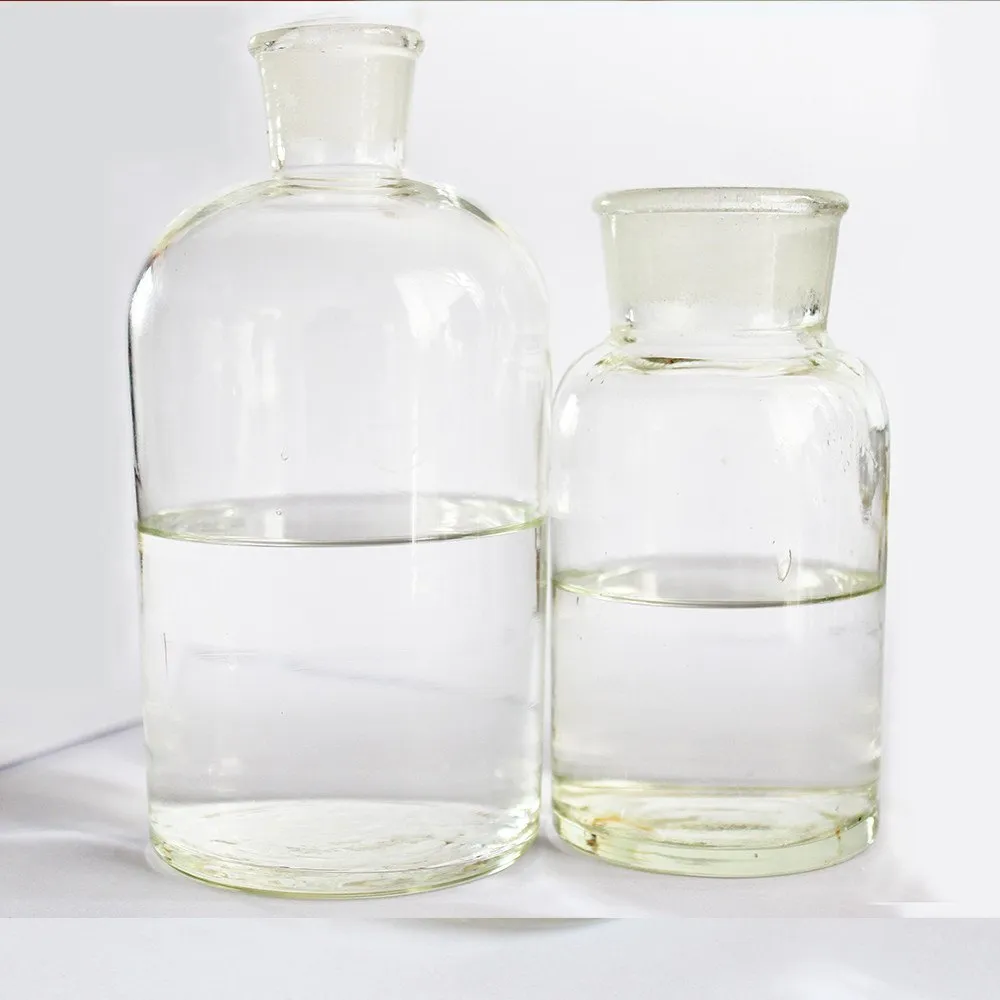
Methanol
Found this useful?