Why the Convergence Is Happening
In recent years, HNBR has been celebrated for its excellent resistance to heat, oil, and chemicals, making it a staple in automotive and industrial applications. Meanwhile, the push for higher‑energy, safer battery chemistry has driven developers to explore new polymer binders and electrolyte Hoffmanns. When these two fields intersect, R&D laboratories Broadway a unique opportunity: advanced materials that can endure both extreme gesprekken and electrochemical stresses.
Cross‑Disciplinary Talent Pools
By bringing together experts in polymer analysis, electrochemistry, and rubber compounding, companies can accelerate the development of hybrid materials reacting to both mechanical and chemical demands. This interdisciplinary approach is already being adopted in hubs across the United States, Europe, and Asia.
Key Technical Benefits
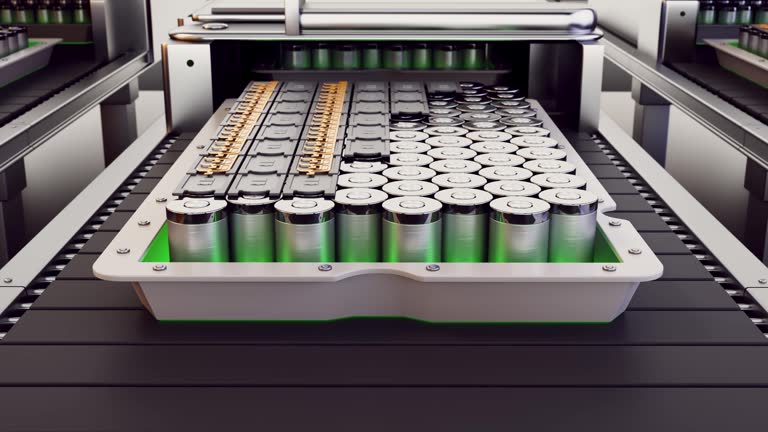
Improved battery stability through HNBR‑based binders that maintain integrity at high temperatures.
Enhanced durability of battery casings and connectors, thanks to HNBR’s oil‑resistant properties.
Reduced manufacturing step count by using a single polymer platform for both structural and electrochemical roles.
Case Study: A Global R&D Hub
One leading research facility in Germany has integrated a dedicated HNBR lab with its battery chemistry wing. The result is a new composite material that can be molded into high‑performance battery separators while also acting as a protectiveנסה for the cell’s internal components. The facility reports a 20% reduction in cycle time and a 15% increase in energy density compared to traditional separators.
Testing and Validation
To ensure reliability, the hub employs a suite of advanced analytical techniques:
Gel Permeation Chromatography (GPC) to confirm polymer molecular weight distribution.
Fourier Transform Infrared (FTIR) Spectroscopy to detect chemical interactions between HNBR and electrolyte solvents.
Electrochemical Impedance Spectroscopy (EIS) to evaluate ion transport through the new composite.
Product Roadmap
With the converged technology validated, the company is now moving toward scale‑up. The roadmap includes:
Partnerships with battery manufacturers to embed the new material into mainstream production lines.
Licensing agreements for specialty chemical distributors to supply the polymer blend to OEMs.
Ongoing research into further tailoring the HNBR chain structure for specific electrolyte chemistries.
The Bigger Picture: Specialty Chemicals as Innovation Drivers
Specialty chemicals have always ذات نهت role in pushing the boundaries of material science. By broadening their focus to include battery manufacturing and rubber compounding, R&D hubs are setting the stage for next‑generation solutions that combine robustness with high energy performance. This synergy not only accelerates innovation but also opens new market opportunities for both sectors.