Hormuz Reopening Scenarios Could Keep Fertilizer Prices High Into the 2027 Crop Yea
The 2027 crop year fertilizer market is entering a period of unusual uncertainty, with the Strait of Hormuz becoming a critical variable for nitrogen supply, pricing and procurement decisions. North Dakota State University points to a particularly difficult setup for buyers, with no fall fertilizer contracted for the 2026/27 crop season and the possibility that prices could remain above pre-war levels into early 2028.
For farmers, distributors and chemical traders, the issue extends beyond today's fertilizer price. The bigger concern is whether supply chains can normalize quickly enough to support the next major procurement cycle.
The Strait of Hormuz remains important because disruptions in the region can affect energy markets, shipping routes and the movement of agricultural inputs. Even if the waterway reopens, the fertilizer market may not immediately return to normal.
Why the 2027 Crop Year Looks Different
Fertilizer procurement normally depends on a combination of expected crop demand, producer margins, inventory levels, shipping costs and seasonal buying patterns. When buyers can secure material ahead of the application season, they gain greater visibility over both availability and costs.
The current environment makes that process harder.
NDSU's outlook indicates that no fall fertilizer has been contracted for the 2026/27 crop year, leaving buyers more exposed to market movements as the planting season approaches. That creates a larger procurement gap between current requirements and the fertilizer volumes needed for the next crop cycle.
The timing matters. Farmers and distributors cannot simply wait until planting begins and assume that fertilizer will be readily available at competitive prices.
A delayed purchasing decision could leave buyers competing for the same cargoes during a period when transportation, production and geopolitical risks remain elevated.
Three Possible Hormuz Reopening Scenarios
The reopening of the Strait of Hormuz does not automatically produce one predictable fertilizer market outcome. For procurement teams, three broad scenarios provide a useful framework for planning.
Rapid and sustained reopening would represent the most favorable outcome. If shipping flows normalize quickly and market participants regain confidence, freight pressure could ease and fertilizer suppliers could rebuild more predictable delivery schedules.
Partial or unstable reopening would create a more complicated environment. Ships may move through the waterway, but elevated insurance costs, cautious scheduling and continued regional uncertainty could keep delivered fertilizer prices higher than buyers expect.
A prolonged disruption would represent the most challenging scenario. Extended restrictions on shipping flows could keep pressure on energy, freight and fertilizer markets, making it difficult for buyers to secure sufficient volumes before the 2027 planting season.
These scenarios highlight an important point for chemical traders and agricultural buyers. A physical reopening can improve logistics without immediately restoring the commercial conditions that existed before the disruption.
Why Urea Remains a Major Procurement Concern
Urea sits at the center of the nitrogen fertilizer market because of its widespread use across major agricultural regions. Its price depends on more than fertilizer demand alone.
Natural gas costs, plant operating rates, international trade flows, freight expenses and regional inventories can all influence the final price paid by agricultural buyers.
NDSU has previously highlighted how fertilizer costs can represent a significant portion of crop production expenses. Its agricultural finance material has also identified geopolitical conflict and fertilizer trade restrictions as factors that can push nitrogen prices higher.
That exposure becomes particularly important when farmers have not locked in fertilizer requirements ahead of the season.
For procurement managers, the risk is not simply paying more per tonne. Higher nitrogen costs can also change crop economics and influence planting decisions, application rates and purchasing schedules.
What Higher Fertilizer Prices Mean for Farmers
Higher fertilizer prices can quickly affect crop margins, especially when commodity prices do not rise at the same pace.
NDSU's 2026 crop budget outlook already showed pressure on farm profitability in many regions, with fertilizer prices contributing to higher input costs. The university reported that projected profitability was low or negative for most regions and crops in its 2026 budgets.
The challenge becomes more pronounced when growers have limited visibility over their nitrogen costs for the following season.
Farmers may respond by:
Purchasing smaller volumes earlier rather than waiting for a single large transaction.
Comparing urea, ammonia and other nitrogen products based on delivered cost rather than headline prices.
Reviewing fertilizer requirements against soil fertility and expected crop economics.
Working with suppliers earlier to secure logistics capacity as well as product.
Building additional flexibility into procurement budgets for the 2027 season.
The objective is not necessarily to predict the lowest market price. It is to reduce exposure to a sudden shortage or price spike during a critical buying window.
How Traders and Importers Should Read the Market
Chemical traders and importers face a different challenge from farmers. They need to balance inventory risk against the possibility of further price increases.
Holding too much fertilizer can create financing and storage costs if prices fall. Holding too little can leave a trader without material when customers begin placing urgent orders.
That makes the timing of purchases increasingly important.
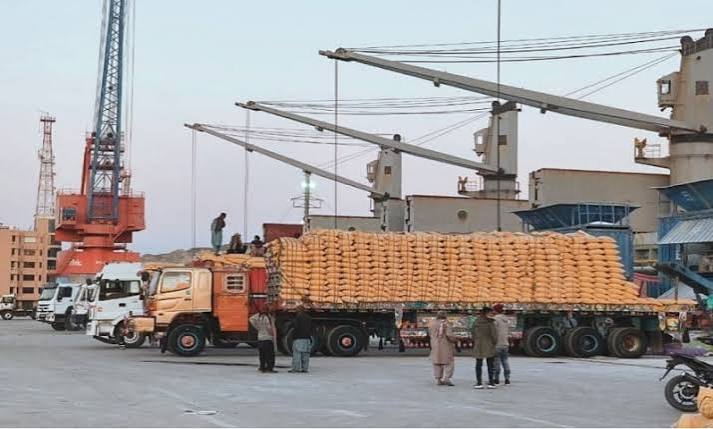
A market with uncertain Hormuz access can also produce significant differences between regions. A supplier may have material available at origin, but the delivered cost can still change because of freight availability, insurance, vessel scheduling and port congestion.
For importers, landed cost visibility should therefore receive more attention than the supplier's quoted product price alone.
Traders should also monitor the relationship between regional inventories and expected seasonal demand. If buyers delay contracting while suppliers remain cautious about future production or shipments, a shortage can develop even before physical inventories reach critically low levels.
Why Pre-War Price Levels May Not Return Quickly
The possibility of fertilizer prices staying above pre-war levels into early 2028 changes the way procurement teams should think about the current market.
A temporary geopolitical disruption normally encourages buyers to wait for normalization. But if the market requires a much longer period to rebuild inventories, restore shipping confidence and rebalance supply, waiting can become a costly strategy.
The fertilizer market also responds to energy costs. Nitrogen production relies heavily on natural gas, which means changes in energy markets can affect production economics even after shipping conditions improve.
This creates a potential lag between geopolitical stabilization and fertilizer price normalization.
A reopened Hormuz may therefore represent the beginning of market recovery rather than the end of the pricing problem.
Procurement Strategies for the 2026/27 Season
With no fall fertilizer contracted for the 2026/27 season in the NDSU outlook, buyers have a clear reason to review their procurement position now.
The strongest strategy will depend on each buyer's storage capacity, financing position, crop exposure and supplier relationships. However, several actions can improve resilience.
Secure volume visibility early. Buyers should establish how much nitrogen they are likely to require before the main seasonal purchasing window becomes crowded.
Use staged purchasing. Instead of relying entirely on one large transaction, procurement teams can consider spreading purchases across several points in the buying cycle.
Compare delivered economics. Product price, freight, insurance, handling and inland transportation should all form part of the procurement calculation.
Maintain supplier diversity. Depending on a single supplier, origin or logistics route can increase exposure when international trade conditions change quickly.
Monitor replacement cost. The relevant question for inventory management is not only what existing stock cost, but what it would cost to replace that stock under current market conditions.
NDSU has previously emphasized the value of planning and budgeting when fertilizer prices remain volatile. Its agricultural planning guidance notes that realistic price expectations play an important role in farm cash flow and production planning.
What the Hormuz Outlook Means for Chemical Trade
The fertilizer market illustrates how a geopolitical event can move beyond energy and shipping into agricultural supply chains.
For chemical traders, the key connection is the dependence of fertilizer production and distribution on energy, raw materials and international logistics. When one major transportation corridor becomes uncertain, buyers throughout the supply chain can change their purchasing behavior.
That behavior can amplify price movements.
If farmers accelerate purchases because they fear shortages, distributors may rebuild inventories sooner than planned. If buyers instead wait for prices to decline, suppliers may reduce operating rates or delay imports, creating another source of uncertainty.
The result is a market where expectations can influence physical demand almost as strongly as current consumption.
Looking Ahead to the 2027 Fertilizer Market
The three Hormuz reopening scenarios provide a useful way to frame fertilizer procurement for the 2027 crop year. A rapid reopening could improve market confidence, while a partial reopening could leave freight and insurance costs elevated. A prolonged disruption would keep supply risks at the center of purchasing decisions.
NDSU's assessment that the 2026/27 season lacks fall fertilizer contracts adds another layer of urgency. Buyers entering the next procurement cycle without secured volumes may face greater exposure to market volatility, particularly if fertilizer prices remain above pre-war levels into early 2028.
For chemical traders, importers and agricultural procurement teams, the priority should be flexibility. Early engagement with suppliers, diversified sourcing and careful monitoring of delivered costs can provide more control in a market where geopolitical developments can quickly reshape fertilizer economics.
NDSU's broader fertilizer analysis also shows why procurement decisions should account for the full cost structure rather than focusing only on the quoted fertilizer price.
The 2027 crop year may therefore become less about finding a single perfect buying point and more about managing exposure across multiple scenarios.
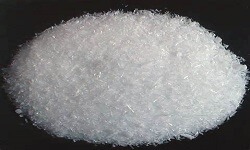
Urea (Granular) - Egypt
Found this useful?