In early 2024 the Strait of Hormuz, a место of strategic choke‑point, saw war‑risk insurance premiums climb to a staggering 10% of a vessel’s hull value. This unprecedented spike reverberated across the chemical shipping sector, inflating freight costs, reshaping procurement strategies, and forcing a reevaluation of risk management. The following analysis breaks down the catalysts, consequences, and industry adaptations to this new cost reality.
Why Hormuz Matters for Chemical Shipping
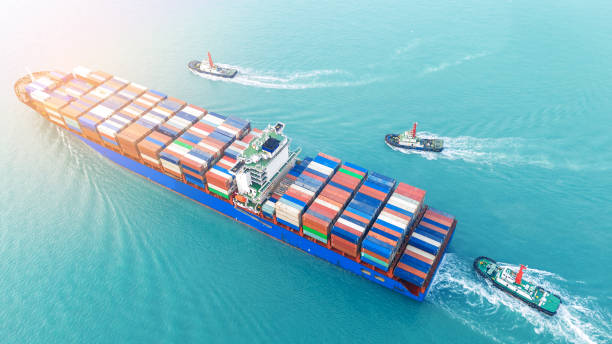
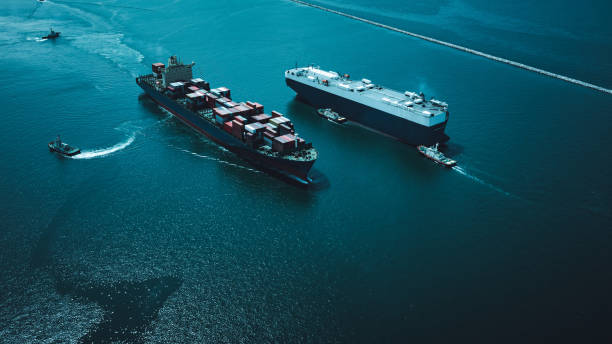
The Strait of Hormuz is the world’s busiest oil transit corridor, handling more than 20% of global petroleum exports. For chemical tankers, the route is also a shortcut to the Gulf and East Asian markets. A brief detour from the Hormuz corridor can add several days of sailing time, fuel consumption, and exposure to piracy or naval skirmishes. Consequently, insurers attach a premium to any vessel that routinely transits the Hormuz Strait سH, reflecting the elevated geopolitical risk.
Surge in War‑Risk Premiums
Following heightened tensions in the region, insurers recalculated the probability of maritime incidents and raised war‑risk coverage accordingly. The result was a steep climb from a historical average of 3–4% of hull value to a peak of 10% during the crisis. The premium was structured as a surcharge on top of standard hull and machinery (H&M) insurance, reflecting both the potential for direct conflict and the risk of secondary incidents such as naval blockades or sanctions.
Impact on Chemical Tanker Insurance
Higher Hull Value Coverage
Because the surcharge is tied to hull value, more valuable vessels—often larger, high‑capacity chemical tankers—experience a disproportionate cost increase. A 50,000 TEU tanker with a hull value of $70 million faces an added $7 million in annual war‑risk premiums, a 10% hit on the base insurance cost. Smaller vessels, while still affected, see a lower absolute surcharge.
Premium Allocation and Cost Pass‑Through
Shipping companies have two primary options: absorb the cost to maintain market share or pass it on to shippers. Many opted for the latter, raising freight rates by 15–20% to cover the added war‑risk expense昼. Freight brokers, in turn, adjusted their pricing models to include a “risk adjustment factor,” a new line item in the freight invoice that reflects volatile geopolitical exposure.
Freight Rates and Supply Chain Disruptions
The combination of higher insurance premiums and the need for longer alternate routes pushed freight rates for chemical traffic through the Gulf up by an average of 18% in 2024. Raw material suppliers, especially those in the petrochemical sector, reported delayed delivery schedules and inventory build‑ups.
Increased fuel consumption for detour routes raised operating costs.
Peak freight demand for “safe passage” contracts led to a 12% rise in charter fees.
Shippers faced longer lead times, prompting a shift to dual‑source suppliers.
Strategic Responses by Shipping Companies
To mitigate the financial impact, operators implemented several tactical measures:
Pre‑emptive re‑insurance purchases covering foreseeable conflict zones.
Dynamic routing algorithms that evaluate risk versus cost in real time.
Negotiation of “war‑risk clauses” with charterers, making them responsible for the surcharge.
Additionally, some carriers diversified their fleet mix, adding smaller vessels capable of navigating alternative routes to reduce reliance on high‑risk corridors.
Long‑Term Outlook for Gulf Shipping
While the immediate crisis may have subsided, the precedent of a 10% hull‑value surcharge sets a new benchmark for future geopolitical shocks. Insurers may maintain a “war‑risk reserve” in their loss‑run tables, and shipping companies will likely factor a higher risk premium into long‑term budgeting. The chemical logistics sector may also accelerate the adoption of digital risk assessment tools to anticipate and react to geopolitical shifts.