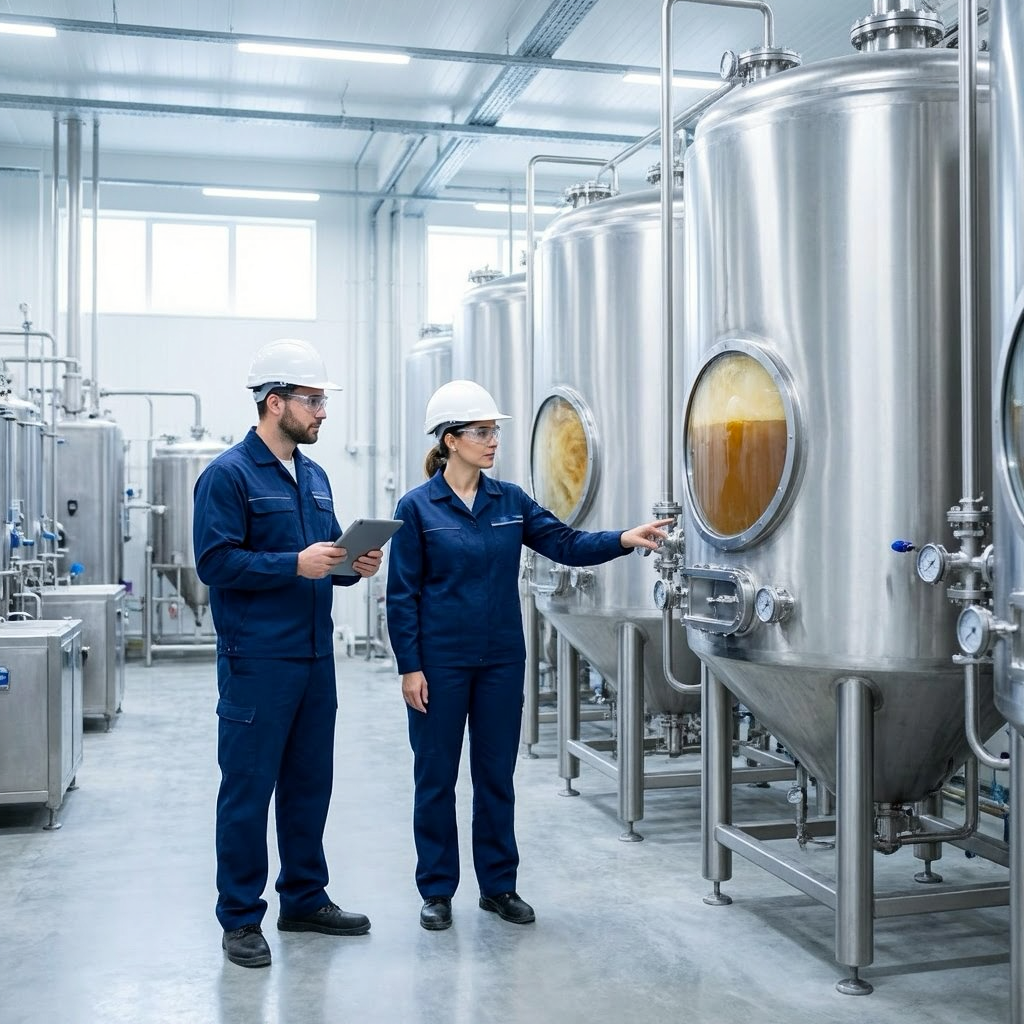
Renewable feedstocks are no longer limited to agricultural crops or dedicated energy plantations. Increasingly, industries are discovering that valuable raw materials already exist within manufacturing waste streams. The renewed collaboration between Celtic Renewables and Rosebank Distillery demonstrates how distillery by-products can become reliable feedstocks for sustainable chemicals and bio-based materials instead of remaining low value industrial waste.
For procurement professionals, this development represents more than a circular economy success story. It highlights an underused regional feedstock source that can strengthen supply security, improve resource efficiency and reduce dependence on conventional fossil based raw materials. As more companies search for commercially viable renewable inputs, food and beverage processing waste could become an increasingly important part of global chemical supply chains.
Why Distillery By-Products Are Valuable Feedstocks
Every year, whisky and other alcoholic beverage producers generate substantial volumes of organic by-products during fermentation and distillation.
Traditionally, much of this material has been directed toward animal feed, waste treatment or disposal. Advances in industrial biotechnology now allow producers to extract significantly greater value from these residual materials.
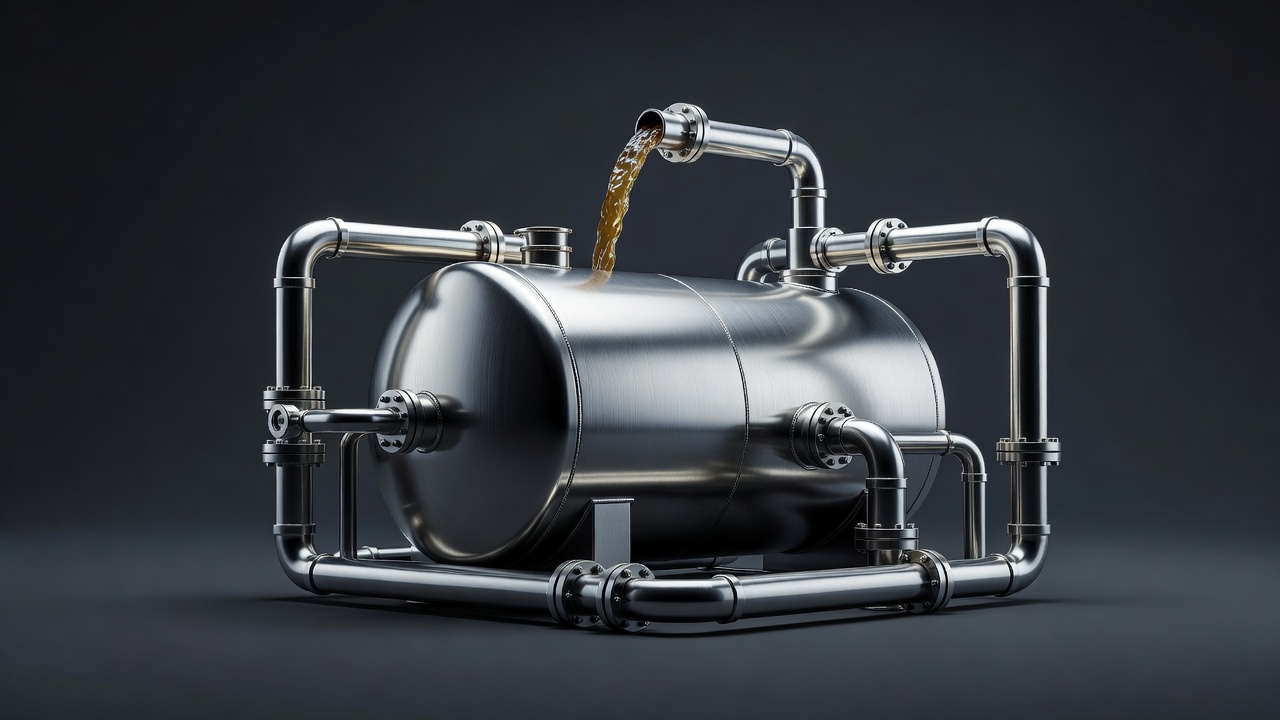
Instead of treating by-products as waste, companies can convert them into renewable chemicals, bio-based materials and other industrial products that support circular manufacturing.
This approach maximizes resource utilization while reducing environmental impact.
The Celtic Renewables and Rosebank Distillery Partnership
The renewed collaboration between Celtic Renewables and Rosebank Distillery reflects growing confidence in commercial waste-to-chemical technologies.
By continuing their partnership, both organizations reinforce the long term potential of converting distillery by-products into sustainable feedstocks suitable for industrial applications.
Rather than relying entirely on newly cultivated biomass, this model captures value from materials already generated during food and beverage production.
For procurement teams, this demonstrates that regional waste streams can become dependable renewable feedstock sources when supported by appropriate processing technologies.
Circular Economy Creates New Feedstock Opportunities
Circular economy principles encourage industries to recover value from materials that previously exited the production cycle as waste.
Distillery by-products fit this model particularly well because they remain rich in organic compounds that can support biochemical conversion processes.
Several advantages emerge from this approach:
Existing food production generates the feedstock without requiring additional agricultural land.
Manufacturers reduce disposal requirements while creating new revenue opportunities.
Chemical producers gain access to renewable raw materials with lower environmental impact.
Regional supply chains become stronger by utilizing locally available industrial by-products.
These benefits explain why interest in industrial waste valorization continues growing across multiple sectors.
Food Industry Waste Extends Beyond Distilleries
Although whisky production provides an excellent example, similar opportunities exist throughout the broader food and beverage industry.
Breweries, sugar processors, fruit processors and other agricultural industries generate large volumes of organic residual materials each year.
Many of these streams contain carbohydrates, proteins or organic compounds suitable for conversion into valuable industrial chemicals.
As processing technologies continue improving, procurement professionals may gain access to a wider range of renewable feedstocks sourced directly from existing manufacturing industries.
This diversification reduces dependence on both petroleum feedstocks and dedicated energy crops.
Commercial Benefits for Procurement Teams
Waste derived feedstocks offer several practical advantages beyond sustainability.
Regional sourcing reduces transportation distances, helping companies strengthen supply chain resilience while lowering logistics complexity. Because the feedstocks originate from established manufacturing operations, supply volumes can also become relatively predictable when supported by long term partnerships.
Procurement managers should evaluate:
Availability of regional industrial by-product suppliers.
Long term feedstock consistency and production capacity.
Processing technologies capable of converting waste into commercial chemical products.
Supply agreements that provide stable renewable material availability.
These factors help determine whether waste derived feedstocks can support commercial manufacturing at scale.
Challenges That Still Require Attention
Although the commercial outlook continues improving, several obstacles remain.
Feedstock quality can vary depending on seasonal production and manufacturing practices. Collection, storage and transportation systems also require careful coordination to maintain material quality before processing.
Regional availability represents another important consideration.
Unlike globally traded petroleum products, industrial by-products often remain concentrated near food processing facilities. Building efficient local supply networks therefore becomes essential for commercial success.
As infrastructure improves, these limitations are likely to become less significant.
The Future of Regional Renewable Feedstocks
Growing interest in circular manufacturing is encouraging companies to view industrial waste as a valuable commercial resource rather than a disposal challenge.
The renewed partnership between Celtic Renewables and Rosebank Distillery illustrates how long term collaboration can unlock sustainable feedstock supplies while supporting both environmental and commercial objectives.
As more food and beverage producers adopt similar approaches, procurement teams will have greater opportunities to diversify renewable sourcing through regional industrial partnerships. Companies that begin evaluating these feedstock streams today may secure a competitive advantage as circular supply chains continue expanding across the global chemical industry.
Ready to source sustainable chemical feedstocks from verified global suppliers? Explore competitive offers on our platform today.