How Recyclable Materials Are Transforming Chemical Packaging
Sustainable Chemical Packaging: An Emerging Industry Priority
Chemical packaging plays an essential role in protecting products during storage, transportation, and distribution. From industrial solvents and specialty chemicals to fertilizers and pharmaceutical ingredients, businesses depend on suitable packaging to maintain product quality, prevent contamination, and ensure safe handling.
However, traditional chemical packaging materials, particularly single-use plastics and non-recyclable packaging structures, contribute to industrial waste and environmental concerns. As sustainability expectations increase, chemical manufacturers and distributors are exploring alternative materials and packaging systems that support recycling, reuse, and resource efficiency.
The transition toward sustainable chemical packaging is also influenced by changing regulations, customer expectations, and corporate environmental commitments. Companies are increasingly evaluating packaging throughout its lifecycle, from raw material selection and manufacturing to transportation, reuse, and final disposal.
Key Materials Driving Sustainable Chemical Packaging
The selection of packaging materials is an important factor in reducing environmental impact while maintaining the safety and performance required for chemical products.
1. Recycled Plastic Packaging
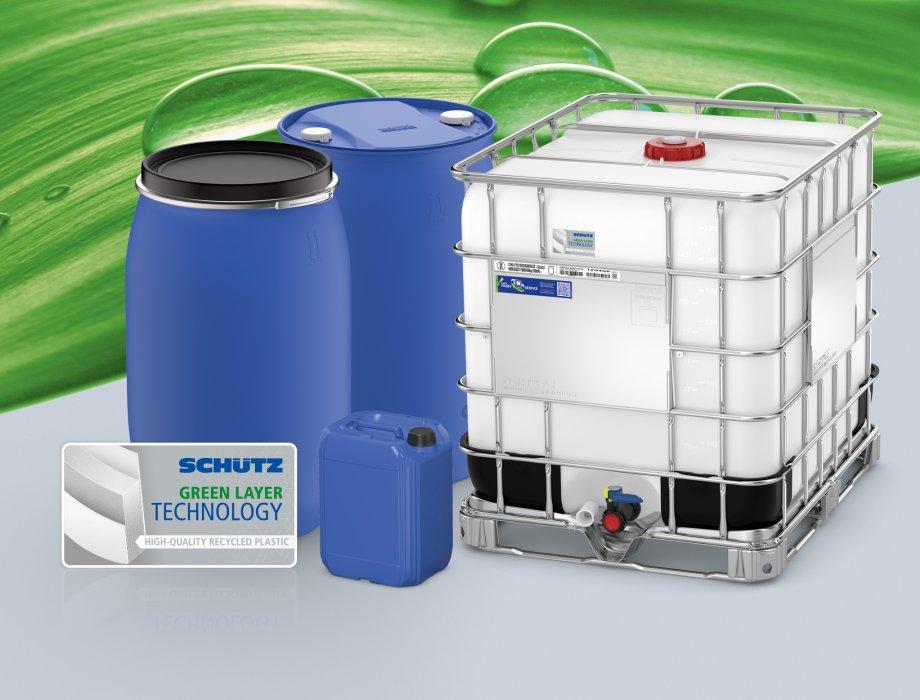
Recycled plastics are becoming an important option for manufacturers looking to reduce dependence on virgin plastic materials. Recycled polyethylene (rPE) and recycled polyethylene terephthalate (rPET) can support packaging applications where their technical properties and regulatory suitability meet the required specifications.
These materials can be used in selected containers, drums, bottles, and other industrial packaging formats.
The use of recycled plastic can offer several advantages:
Reduces demand for virgin plastic feedstocks.
Supports circular material flows.
Creates additional demand for recovered plastic waste.
Helps companies meet recycled-content targets.
Encourages investment in recycling infrastructure.
However, recycled materials must undergo appropriate quality testing to ensure chemical compatibility, strength, and resistance to the substances being packaged.
2. Reusable Industrial Containers
Reusable Intermediate Bulk Containers (IBCs), drums, and industrial containers provide opportunities to reduce packaging waste through multiple-use systems.
Instead of disposing of containers after a single delivery, businesses can establish collection, inspection, cleaning, and refilling processes.
Reusable packaging can help reduce the consumption of new materials and lower packaging waste over time. It may also improve purchasing efficiency for companies that regularly transport chemicals between manufacturing facilities and distribution centers.
However, reuse is only appropriate when the container material is compatible with the chemical product and suitable cleaning and inspection procedures are available.
3. Bio-Based and Alternative Packaging Materials
Bio-based packaging materials are receiving attention as manufacturers explore alternatives to conventional fossil-based plastics.
Materials such as polylactic acid (PLA), starch-based polymers, and other bio-based compounds can be used in selected packaging applications.
Paper-based packaging with suitable barrier coatings is another developing area. In May 2026, BASF and UPM Specialty Materials announced a collaboration focused on recyclable fiber-based packaging solutions using barrier paper and specialized coating technology.
These developments demonstrate how material science companies are working to combine packaging performance with improved recyclability.
Nevertheless, bio-based materials are not automatically biodegradable or recyclable. Their environmental benefits depend on material composition, available collection systems, processing infrastructure, and end-of-life conditions.
Supply Chain Developments Supporting Sustainable Packaging
The adoption of sustainable chemical packaging requires changes throughout the supply chain. Manufacturers, packaging suppliers, logistics providers, distributors, and recycling companies must coordinate their activities to make new packaging systems commercially practical.
1. Circular Packaging and Reverse Logistics
Reverse logistics is becoming an important part of sustainable chemical packaging. It involves moving used packaging materials and containers back through the supply chain for inspection, cleaning, reuse, or recycling.
For example, chemical distributors can establish collection arrangements with industrial customers to recover eligible IBCs and drums after product delivery.
These systems can help businesses:
Reduce single-use packaging consumption.
Recover valuable packaging materials.
Improve container utilization.
Reduce packaging disposal expenses.
Support circular supply chain operations.
Successful implementation requires clear responsibilities for container collection, transportation, inspection, and waste management.
2. Lightweight Packaging Solutions
Lightweight packaging is another development helping companies improve transportation efficiency.
Reducing packaging weight can decrease the amount of material required for manufacturing and potentially lower transportation-related emissions.
Packaging manufacturers are exploring improved polymer formulations, optimized container designs, and stronger lightweight materials that maintain the required durability.
For chemical applications, however, lightweight packaging must still meet relevant requirements for pressure resistance, leakage prevention, stacking strength, and chemical compatibility.
3. Improved Packaging Design for Recycling
Packaging design directly affects how easily materials can be separated and processed after use.
Complex packaging structures containing multiple materials, adhesives, and coatings can make recycling more difficult. Manufacturers are therefore exploring designs that use fewer material combinations and improve compatibility with existing recycling systems.
Important design considerations include:
Selecting recyclable packaging materials.
Reducing unnecessary packaging components.
Using compatible labels and closures.
Improving material identification.
Designing containers for easier separation and processing.
Designing packaging with its end-of-life recovery in mind can improve recycling efficiency and support circular manufacturing practices.
Regulations and Sustainability Requirements in Chemical Packaging
Regulatory developments are influencing how businesses select, manufacture, label, and recover packaging materials.
1. European Union Packaging and Packaging Waste Regulation
The European Union's Packaging and Packaging Waste Regulation (PPWR), Regulation (EU) 2025/40, started applying on 12 August 2026.
The regulation establishes a harmonized framework covering packaging design, waste prevention, recyclability, and packaging waste management across the EU.
For chemical packaging manufacturers and exporters, these developments increase the importance of evaluating material choices, packaging performance, and compliance obligations when supplying European markets.
Businesses should review the regulation's specific requirements according to their packaging type, product category, and role in the supply chain.
2. Extended Producer Responsibility
Extended Producer Responsibility (EPR) policies are also influencing packaging management.
Under EPR systems, producers may have financial or operational responsibilities for managing packaging waste after products reach customers.
These requirements encourage businesses to consider packaging recovery, recycling infrastructure, and waste management when developing their packaging strategies.
Chemical companies operating across international markets should monitor the EPR requirements applicable in their target countries.
3. Chemical Safety and Packaging Compatibility
Sustainability improvements must never compromise chemical safety.
Not every container is suitable for reuse or recycling after holding chemical substances. Certain hazardous materials may leave residues that require specialized cleaning or disposal procedures.
Before introducing recycled or reusable packaging, businesses should evaluate:
Chemical compatibility with container materials.
Leakage and contamination risks.
Cleaning and decontamination procedures.
Applicable hazardous goods transportation requirements.
Packaging labeling and identification.
Relevant waste management regulations.
For hazardous chemicals, packaging must meet the applicable technical and regulatory requirements for the product and its transportation conditions.
Challenges in Adopting Sustainable Chemical Packaging
Despite growing interest, the transition to sustainable chemical packaging involves several commercial and technical challenges.
Higher initial investment: Reusable packaging systems may require investment in collection networks, cleaning facilities, and inspection equipment.
Limited recycling infrastructure: Some regions lack the facilities needed to collect and process specialized industrial packaging materials.
Chemical contamination: Residual substances can restrict the reuse or recycling of containers, particularly those used for hazardous chemicals.
Material performance: Recycled and alternative materials must provide sufficient strength, chemical resistance, and durability.
Supply chain coordination: Successful packaging recovery requires cooperation between manufacturers, distributors, customers, and recycling providers.
Addressing these challenges requires careful material selection, investment in recovery infrastructure, and stronger collaboration across the chemical supply chain.
The Future of Sustainable Chemical Packaging
Sustainable chemical packaging is becoming an important consideration for manufacturers seeking to reduce waste, improve resource efficiency, and strengthen supply chain performance.
Developments in recycled plastics, reusable containers, bio-based materials, and recyclable fiber-based packaging are creating new opportunities for the chemical industry. At the same time, regulatory requirements and circular economy initiatives are encouraging companies to reconsider conventional packaging practices.
Businesses that invest in recyclable materials, reverse logistics, and improved packaging design can create more efficient and environmentally responsible supply chains.
As material technologies and recycling infrastructure continue to develop, sustainable packaging will increasingly become part of chemical manufacturers' sourcing, production, and distribution strategies.
Source Links
European Commission – New EU Rules on Packaging Enter into Application (2026)
Chemical Engineering – BASF and UPM Collaborate on Recyclable Fiber-Based Packaging (2026)
Sustainable Packaging Coalition – 2026 Sustainable Packaging Trends Report
Royal Society of Chemistry – Chemical Recycling: A New Toolbox for Materials Recycling in Industry (2026)
European Commission – Rules for Chemically Recycled Content in Plastic Bottles
Government of Canada – Environmentally Sound Management of Chemical Substances in the Chemicals, Plastics and Rubber Sectors
Antimony Trioxide (99.5%) - China
Found this useful?