How to Choose the Right Industrial Chemical Supplier
Why Choosing the Right Chemical Supplier Matters
Industrial chemicals play an important role in manufacturing, water treatment, pharmaceuticals, food processing, construction, oil and gas, and many other sectors. Businesses depend on these materials to maintain production quality and meet operational requirements.
However, choosing a supplier involves more than finding a company offering competitive prices. Product consistency, technical knowledge, documentation, safety standards and reliable deliveries all influence purchasing decisions.
An unreliable supplier can cause production delays, inconsistent product quality and unexpected expenses. Working with a dependable chemical supplier helps businesses maintain operational stability and build a more efficient procurement process.
1. Evaluate Product Quality and Consistency
Product quality should be one of the first considerations when comparing chemical suppliers. Even small differences in purity, concentration or impurity levels can affect manufacturing performance.
Before purchasing, buyers should review:
Chemical grade and composition
Purity and concentration levels
Technical specifications and product performance
Batch consistency and quality-control procedures
Product shelf life and storage requirements
Request a Certificate of Analysis (CoA) for the relevant batch to verify its tested quality parameters. Comparing samples and conducting application-specific testing can also help determine whether a product meets your requirements.
2. Check Certifications and Quality Documentation
Reliable suppliers should provide relevant documentation to demonstrate product quality, safe handling and regulatory compliance.
Important documents include:
Certificate of Analysis (CoA): Provides batch-specific test results and confirms whether the chemical meets the agreed specifications.
Safety Data Sheet (SDS): Contains information about chemical hazards, handling, storage, exposure controls and emergency procedures.
Technical Data Sheet (TDS): Explains product properties, recommended applications and performance characteristics.
ISO 9001 Certification: Demonstrates that the organisation operates a certified quality management system within the stated certification scope.
Depending on the chemical and destination market, additional regulatory approvals, declarations or industry-specific certificates may also be required.
3. Assess Supplier Experience and Industry Knowledge
A supplier's industry experience can indicate its ability to understand different technical and commercial requirements.
For example, a water-treatment chemical supplier should understand applications involving cooling towers, boilers and reverse osmosis systems. Similarly, suppliers serving the food industry should be familiar with relevant food-grade requirements and product documentation.
Consider the following questions when evaluating potential suppliers:
How long have they operated in the chemical industry?
Do they understand your specific application?
Can they recommend suitable grades or formulations?
Do they serve businesses within your industry?
Can they provide customer references?
A knowledgeable supplier can offer more than product availability by helping buyers identify suitable materials and resolve technical concerns.
4. Compare Pricing and Overall Procurement Costs
Price is important, but the lowest quotation does not always represent the best purchasing decision.
A chemical with a lower purchase price may have different concentration levels, higher consumption requirements or additional handling costs. These factors can increase the overall expense of using the product.
Compare suppliers based on:
Price per kilogram, litre or metric tonne
Product concentration and usable content
Minimum order quantities
Packaging and transportation charges
Import duties and other applicable costs
Payment terms and price stability
Evaluating the total cost of ownership provides a clearer picture of the value offered by each supplier.
5. Verify Supply Capacity and Delivery Reliability
Consistent chemical availability is essential for businesses that operate continuous production processes. Delayed deliveries can interrupt operations, increase costs and affect customer commitments.
Before selecting a supplier, confirm its ability to meet your expected purchasing volumes and delivery schedules.
Important factors include:
Current stock availability
Manufacturing or sourcing capacity
Standard delivery timelines
Domestic and international distribution networks
Packaging and transportation arrangements
Backup sourcing options during supply disruptions
Businesses with regular chemical requirements should consider suppliers capable of supporting both immediate orders and long-term demand.
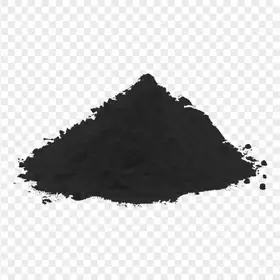
Activated Carbon (Powder) - India
6. Review Safety and Regulatory Compliance
Chemical suppliers must understand the safety and regulatory requirements associated with the products they sell.
Incorrect labelling, incomplete safety documentation or unsuitable transportation arrangements can create risks for buyers and their employees.
Check whether the supplier provides appropriate hazard labels, updated SDS documents and relevant transportation information. For international purchases, confirm that the chemicals meet the applicable import, registration and classification requirements in the destination market.
Businesses should also evaluate environmental considerations such as hazardous substance restrictions, waste-management requirements and chemical handling practices.
7. Look for Technical Support and Customer Service
Strong supplier relationships depend on effective communication and technical assistance.
A dependable supplier should respond to product enquiries, clarify specifications and help resolve quality or delivery issues. Technical support becomes particularly valuable when businesses introduce new chemicals or experience changes in their production processes.
Evaluate suppliers based on their response times, product knowledge, sample availability, complaint-handling procedures and willingness to support application testing.
Reliable customer service can make procurement more efficient and help prevent small issues from becoming major operational problems.
8. Request Samples Before Placing Large Orders
Before committing to a long-term purchasing agreement, request product samples whenever practical.
Testing samples allows your technical or quality-control team to assess product performance under actual operating conditions.
Depending on the application, testing may include:
Purity and concentration analysis
Chemical compatibility testing
Physical property evaluation
Stability and shelf-life checks
Production or process trials
A successful sample evaluation provides useful evidence, but it should be followed by batch-level quality checks when commercial orders begin.
9. Build Long-Term Supplier Relationships
Selecting a chemical supplier should be viewed as a long-term business decision rather than a one-time transaction.
Consistent communication, clear purchasing agreements and regular performance reviews can help both parties understand changing requirements.
Businesses should monitor supplier performance through indicators such as delivery accuracy, batch rejection rates, product consistency, response times and pricing transparency.
Maintaining relationships with qualified alternative suppliers can also reduce dependency on a single source and improve supply-chain resilience.
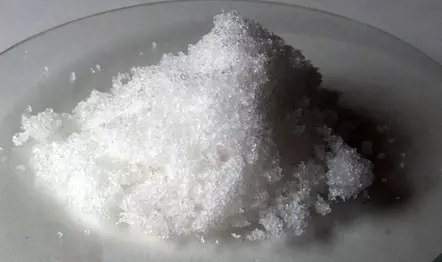
Aluminium Nitrate
Found this useful?