
How to Compare Chemical Grades Specifications and Certificates Before Purchasing
Purchasing chemicals involves more than comparing prices and supplier quotations. Different grades of the same chemical may have different purity levels, impurity limits and intended applications. Selecting an unsuitable grade can affect product quality, manufacturing efficiency and regulatory compliance.
Before placing an order, buyers should evaluate three important elements: chemical grade, product specifications and quality certificates. Reviewing these details helps businesses verify whether a product meets their technical and operational requirements.
1. Understand Different Chemical Grades
Chemical grades indicate the quality and intended use of a chemical. Although naming conventions can vary between suppliers and industries, common grades include:
Chemical grade | Typical application |
|---|---|
Technical Grade | Industrial manufacturing and general processing |
Industrial Grade | Commercial and large-scale industrial applications |
Food Grade | Food and beverage production, subject to applicable standards |
Pharmaceutical Grade | Pharmaceutical manufacturing under relevant quality requirements |
Laboratory Grade | General laboratory testing and research |
Analytical Reagent Grade | Analytical testing requiring controlled impurity levels |
A higher-sounding grade does not automatically mean a better purchasing choice. Buyers should select a grade based on the intended application, required purity and applicable regulations.
2. Compare Technical Specifications
A technical specification sheet describes the chemical's measurable quality parameters. Comparing these values helps buyers determine whether products from different suppliers are equivalent.
Important parameters include:
Purity: The percentage of the required chemical present in the product.
Moisture content: The amount of water present, which can affect storage and processing.
Impurity levels: Limits for unwanted substances such as heavy metals, chlorides or other contaminants.
pH value: An important parameter for chemicals used in aqueous applications.
Physical properties: Appearance, colour, density, viscosity, particle size or solubility, depending on the product.
Chemical composition: Confirms the identity and concentration of active components.
Buyers should compare actual numerical limits rather than relying on descriptions such as premium quality or high purity.
3. Check Essential Quality Certificates
Certificates provide supporting evidence about a chemical product's quality, testing and compliance. Buyers should request relevant documents before confirming an order.
Certificate of Analysis (CoA): Provides batch-specific test results and confirms whether the supplied material meets stated specifications.
Safety Data Sheet (SDS): Explains chemical hazards, safe handling, storage, exposure controls and emergency procedures.
Certificate of Conformity (CoC): Confirms that a product meets specified requirements or standards, depending on the certification process.
ISO Certification: Demonstrates that a supplier or manufacturer operates under a recognised management-system standard. It does not automatically certify the quality of every chemical batch.
Regulatory or food-grade documentation: Depending on the application, buyers may require relevant declarations, approvals or compliance documents.
4. Evaluate Suppliers Before Purchasing
Even when two products have similar specifications, supplier reliability can influence purchasing decisions.
Consider the following factors:
Manufacturer reputation and product traceability
Availability of recent batch-specific CoAs
Consistency between previous and current batches
Packaging quality and labelling
Storage and transportation conditions
Technical support and documentation
Delivery timelines and supply availability
Requesting samples and conducting independent testing can provide additional confidence, especially for large-volume or critical applications.
5. Compare Total Purchasing Cost
The lowest quotation does not always represent the best value. A cheaper chemical may have lower active content, higher impurity levels or additional processing requirements.
Buyers should compare the total cost by considering product quality, usable concentration, transportation, storage, testing and potential production losses.
For example, a chemical with a higher purchase price may offer better value if it meets the required specifications more consistently and reduces waste during manufacturing.
6. Common Mistakes to Avoid
Chemical buyers should avoid several common procurement mistakes:
Selecting a product based only on its grade name.
Comparing prices without checking purity and impurity limits.
Accepting an outdated or generic CoA instead of batch-specific results.
Ignoring storage, shelf-life and packaging requirements.
Assuming an ISO-certified supplier guarantees every batch's specifications.
Purchasing without confirming application-specific regulatory requirements.
These mistakes can lead to quality problems, unnecessary expenses and supply-chain disruptions.
Making More Informed Chemical Purchasing Decisions
A structured comparison of chemical grades, technical specifications and quality certificates helps businesses purchase materials that meet their actual requirements. Buyers should verify product quality, review supplier documentation and assess total purchasing costs before placing an order.
By following these steps, procurement teams can improve supplier selection, maintain consistent production quality and reduce the risks associated with industrial chemical purchasing.
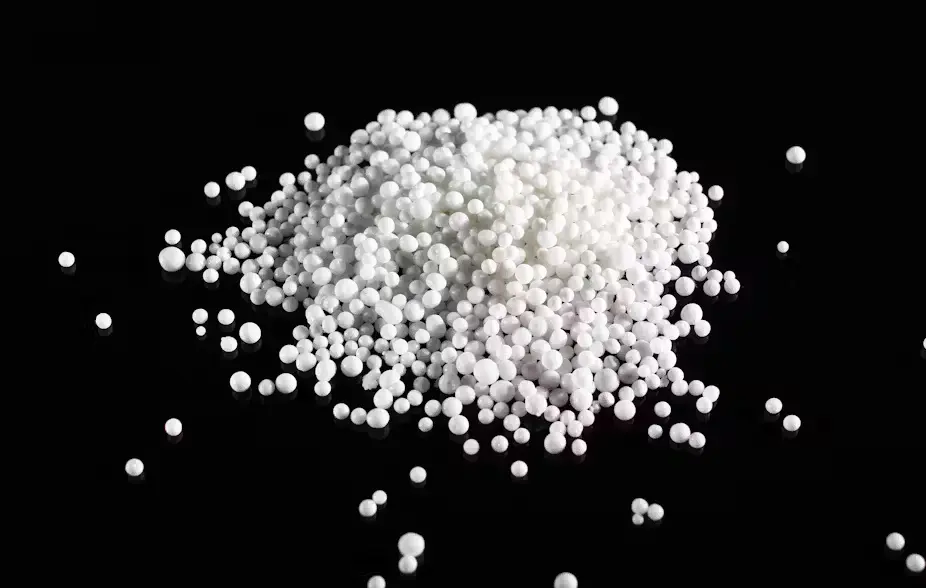
Ammonium Nitrate
Found this useful?