Hydrazine hydrate occupies a unique position within the global chemical industry. Few products combine such a diverse application portfolio with such stringent handling requirements. From pharmaceutical synthesis and polymer manufacturing to industrial water treatment and aerospace technologies, hydrazine-based chemistry continues to support critical sectors despite growing regulatory scrutiny.
The hydrazine hydrate market in 2026 reflects two powerful trends. First, demand for high-value specialty chemical intermediates continues to expand, particularly in pharmaceutical manufacturing. Second, governments and regulatory agencies are increasing oversight of hazardous chemicals due to toxicity concerns, transport risks and occupational safety requirements.
For procurement teams, sourcing hydrazine hydrate requires more than evaluating price and availability. Buyers must also assess regulatory compliance, transportation capabilities, packaging standards and supplier expertise. These factors increasingly influence purchasing decisions across global markets.
China remains the dominant production hub, while expanding pharmaceutical manufacturing activity in India is creating new demand centres. At the same time, updates to chemical classification frameworks and international transport rules are placing greater emphasis on compliance documentation.
As a result, hydrazine hydrate remains one of the most specialised procurement categories within the specialty chemicals sector.
Understanding hydrazine hydrate and its chemical characteristics
Hydrazine hydrate is an aqueous form of hydrazine, a highly reactive inorganic compound known for its strong reducing properties. The material is widely valued because it participates efficiently in chemical reactions that are difficult to achieve with less reactive alternatives.
Its molecular structure allows it to function as a reducing agent, oxygen scavenger and intermediate in numerous synthesis pathways.
Industrial users value hydrazine hydrate for several reasons:
Strong reducing capability across multiple chemical processes.
High reactivity in pharmaceutical and agrochemical synthesis.
Effective oxygen removal in boiler water systems.
Compatibility with specialty polymer manufacturing applications.
However, these same properties create significant handling challenges.
Hydrazine compounds exhibit acute toxicity and require strict safety controls throughout production, storage and transportation. Exposure risks make worker training, engineering controls and personal protective equipment essential throughout the supply chain.
Because of these characteristics, hydrazine hydrate remains a highly regulated product in nearly every major chemical market.
Why China dominates global hydrazine hydrate production
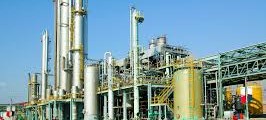
The global hydrazine hydrate market remains heavily concentrated in Asia, with China serving as the leading production and export centre.
Several structural factors support this position.
Large-scale chemical manufacturing infrastructure, integrated raw material supply chains and extensive experience with specialty chemical production have enabled Chinese producers to achieve significant economies of scale.
Additional advantages include:
Established production facilities dedicated to hydrazine derivatives.
Strong integration with broader inorganic chemical manufacturing.
Competitive operating costs compared with many Western producers.
Extensive export networks serving pharmaceutical and industrial markets.
Chinese suppliers play a critical role in supplying global demand for both industrial and high-purity grades.
This concentration creates cost advantages for buyers but also increases supply chain exposure. Regulatory changes, export restrictions or logistics disruptions within China can quickly affect international markets.
As a result, many procurement teams now incorporate supply continuity planning alongside traditional price negotiations.
Pharmaceutical synthesis is becoming a major growth driver
One of the strongest demand drivers in 2026 comes from pharmaceutical manufacturing.
Hydrazine hydrate serves as a valuable intermediate and reducing agent in the synthesis of active pharmaceutical ingredients and specialty drug compounds. Its reactivity enables efficient formation of chemical structures used across a range of therapeutic categories.
Growing pharmaceutical production in India has increased regional demand significantly.
Several factors support this trend:
Expansion of generic drug manufacturing capacity.
Growth in pharmaceutical exports.
Increased investment in specialty chemical intermediates.
Rising demand for complex synthesis routes requiring selective reduction chemistry.
Many pharmaceutical manufacturers prioritise reliable supply agreements because production interruptions can affect downstream drug manufacturing schedules.
The pharmaceutical sector also tends to require tighter quality specifications than some industrial applications. This creates opportunities for suppliers capable of delivering consistent purity and comprehensive documentation.
As pharmaceutical output expands, hydrazine hydrate consumption is expected to grow alongside broader specialty chemical demand.
Industrial water treatment remains a critical application
Despite growing pharmaceutical demand, water treatment continues to represent one of the most established hydrazine hydrate markets.
Boiler systems require oxygen control to minimise corrosion and maintain operational efficiency. Hydrazine hydrate functions as an oxygen scavenger, removing dissolved oxygen before it can damage equipment.
Industries using hydrazine-based boiler treatment include:
Power generation facilities.
Petrochemical complexes.
Refining operations.
Heavy industrial manufacturing plants.
Large-scale steam generation systems.
The benefits are substantial.
By reducing oxygen-related corrosion, operators can extend equipment life, improve reliability and reduce maintenance costs.
Although alternative treatment chemistries exist, hydrazine continues to retain a position in applications where performance requirements justify its use.
Environmental and safety considerations have encouraged evaluation of substitutes in some regions, but many industrial operators continue to rely on established hydrazine-based treatment programs.
This provides a stable demand foundation even as new growth emerges from pharmaceutical markets.
Polymer manufacturing and blowing agent chemistry
Hydrazine hydrate also supports the polymer industry through its role in blowing agent production.
Chemical blowing agents create controlled cellular structures within polymer materials, producing lightweight foams used in numerous applications.
These materials appear in:
Hydrazine-derived intermediates contribute to foam formation processes that improve product performance while reducing material consumption.
Manufacturers value these systems because they help balance weight reduction with mechanical strength.
Demand from polymer processing tends to follow broader industrial production trends. Although not growing as rapidly as pharmaceutical applications, this segment remains an important component of overall market consumption.
The combination of pharmaceutical, industrial and polymer demand creates a diversified consumption base that supports long-term market stability.
Aerospace and rocket propellant connections
Hydrazine's most widely recognised application is its role in aerospace propulsion systems.
In its anhydrous form, hydrazine has historically served as a rocket and spacecraft propellant due to its high energy content and reliable decomposition characteristics.
Although aerospace consumption represents a relatively specialised market compared with industrial applications, it contributes to the compound's strategic importance.
Applications include:
Satellite propulsion systems.
Orbital manoeuvring systems.
Spacecraft attitude control.
Certain defence-related propulsion technologies.
The aerospace sector requires exceptionally high purity material and rigorous quality assurance procedures.
While this segment accounts for a smaller share of total hydrazine consumption, it remains one of the highest value markets.
Its presence also contributes to heightened regulatory oversight and transportation controls.
Regulatory compliance becomes increasingly important in 2026
Regulatory compliance has become one of the defining issues in the hydrazine hydrate market.
Due to toxicity concerns and carcinogenicity classifications, governments continue to strengthen oversight of handling, transport and workplace exposure.
Particular attention focuses on classification and labelling requirements under GHS Revision 7 frameworks. Regulatory updates implemented through various national systems have increased scrutiny of hazard communication practices.
Buyers increasingly evaluate suppliers based on:
Safety data sheet quality and accuracy.
Labelling compliance.
Product traceability systems.
Regulatory documentation support.
Hazard communication procedures.
Compliance failures can create operational disruptions, shipment delays and legal liabilities.
As a result, regulatory competence has become a competitive differentiator among suppliers.
Procurement teams frequently place equal importance on documentation quality and product quality when selecting long-term partners.
Transport regulations shape global trade flows
Transportation represents one of the most complex aspects of hydrazine hydrate commerce.
Because the product is classified as hazardous, international shipments must comply with multiple regulatory frameworks.
Key transport regimes include:
ADR requirements for road transport.
IMDG regulations for maritime shipments.
IATA standards for air transport.
These frameworks govern packaging, labelling, documentation and handling procedures.
The result is a more complex logistics environment than that faced by many commodity chemicals.
Transport considerations influence:
For importers, logistics capabilities often become a critical supplier evaluation criterion.
Suppliers with proven expertise in hazardous materials transportation frequently command stronger market positions because they reduce compliance risks throughout the supply chain.