
Hydrochloric Acid: Industrial Applications and Safe Handling Requirements
Hydrochloric Acid: Industrial Applications and Safe Handling Requirements
Hydrochloric acid is one of the most widely used inorganic chemicals in industrial manufacturing and chemical processing. Also known as muriatic acid, it is a strong, highly corrosive acid with the chemical formula HCl. Its ability to dissolve metal oxides, regulate pH and participate in chemical reactions makes it an essential raw material across several industries.
Hydrochloric acid is commonly used in steel manufacturing, oil and gas operations, water treatment, chemical production and industrial cleaning. It is commercially available in different concentrations, depending on the intended application and required purity.
Although hydrochloric acid offers significant industrial benefits, its corrosive nature requires appropriate storage, handling and transportation procedures. Understanding its applications and safety requirements is essential for manufacturers, chemical suppliers and industrial procurement teams.
Understanding Hydrochloric Acid and Its Chemical Properties
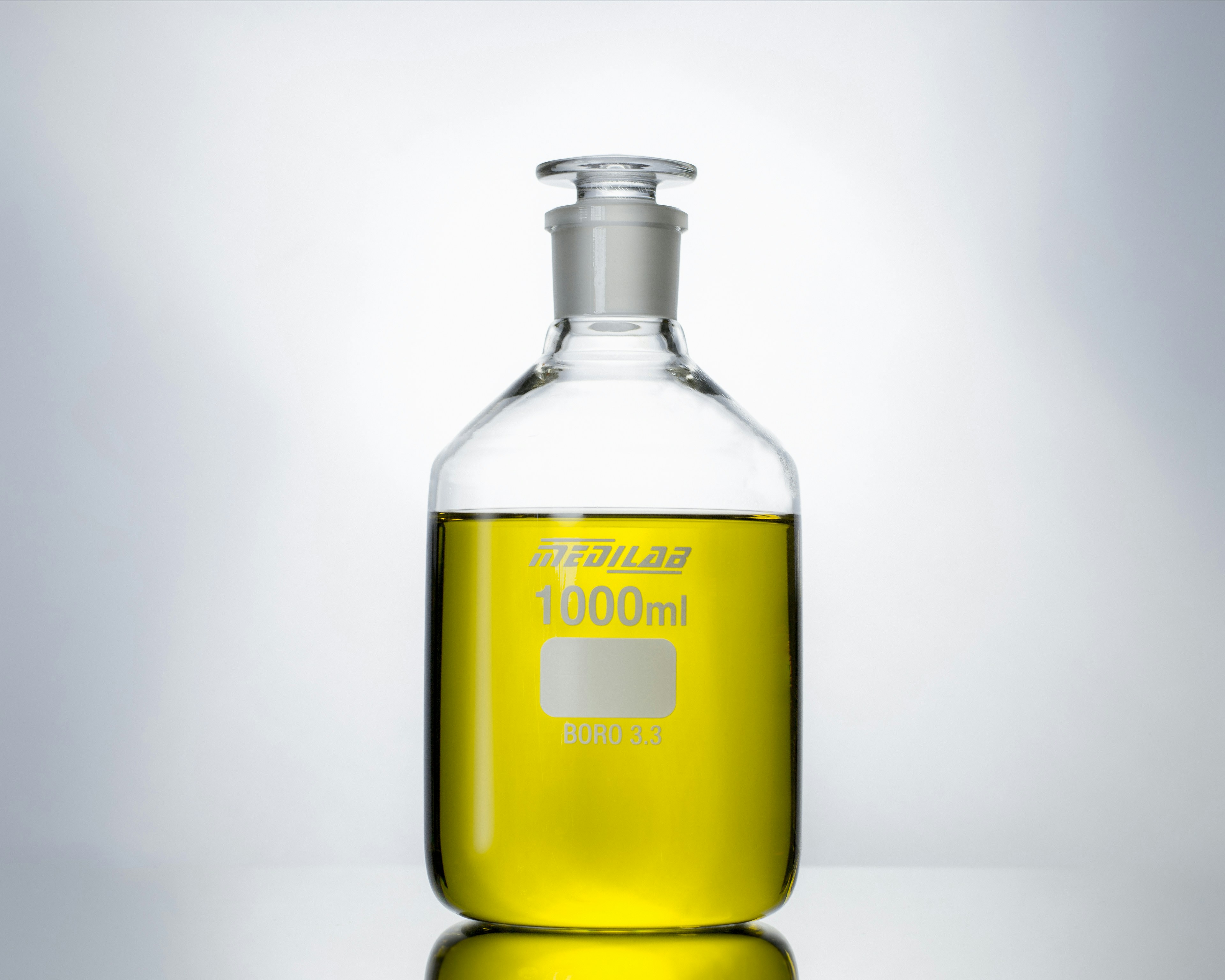
Hydrochloric acid is an aqueous solution of hydrogen chloride gas. It is generally colorless, although technical-grade products may have a slightly yellow appearance because of impurities.
Some of its important chemical properties include:
Chemical formula: HCl.
Molecular weight: Approximately 36.46 g/mol.
Strong acidity: Dissociates extensively in water and produces highly acidic solutions.
Water solubility: Mixes readily with water.
Corrosive nature: Can damage metals, skin, eyes and certain materials.
Chemical reactivity: Reacts with bases, metal oxides, carbonates and several other substances.
These properties make hydrochloric acid useful in processes requiring strong acidification, chemical conversion and removal of unwanted deposits.
Industrial Applications of Hydrochloric Acid
Hydrochloric acid is an important chemical across several manufacturing sectors. Its effectiveness in dissolving oxides, adjusting acidity and producing chemical compounds makes it suitable for a wide range of industrial operations.
1. Metal Processing and Steel Manufacturing
One of the major applications of hydrochloric acid is in the steel industry, particularly during metal pickling.
Steel surfaces often develop rust, scale and iron oxide layers during manufacturing and processing. Hydrochloric acid helps dissolve these oxide deposits, leaving a cleaner metal surface.
This process is important before:
Galvanizing and coating.
Metal fabrication.
Wire production.
Further steel processing.
Surface finishing operations.
Proper acid concentration and treatment conditions help achieve effective cleaning while controlling excessive metal dissolution.
2. Chemical Manufacturing
Hydrochloric acid serves as a raw material and processing chemical in the production of several industrial compounds.
It is used in manufacturing chemicals such as:
Calcium chloride.
Ferric chloride.
Zinc chloride.
Various inorganic chlorides.
It is also used for pH adjustment, chemical neutralization and processing operations in industrial manufacturing facilities.
3. Oil and Gas Industry
The oil and gas sector uses hydrochloric acid in selected well stimulation and maintenance operations.
One important application is acidizing, where hydrochloric acid is introduced into suitable carbonate formations to dissolve portions of the rock and improve fluid flow through the formation.
It can also be used in certain well-cleaning operations to remove mineral deposits and improve production efficiency.
These treatments require careful engineering, corrosion management and appropriate chemical selection.
4. Water Treatment and pH Control
Hydrochloric acid is used in industrial water treatment systems to lower pH levels and neutralize alkaline substances.
Maintaining appropriate pH levels is important for several industrial processes, including:
Boiler water treatment.
Industrial wastewater management.
Process water conditioning.
Chemical manufacturing.
Water system maintenance.
Its use must be carefully controlled to avoid excessive acidity and unwanted corrosion.
5. Industrial Cleaning and Descaling
Hydrochloric acid is used in specialized industrial cleaning formulations to remove mineral scale, rust and other inorganic deposits.
It can be applied in selected cleaning operations involving compatible equipment and surfaces, including certain industrial tanks, pipes and processing systems.
However, it is not suitable for every material. Hydrochloric acid can severely corrode stainless steel and other metals under certain conditions, so compatibility testing and appropriate corrosion controls are essential.
s essential.
1. Personal Protective Equipment (PPE)
Workers handling hydrochloric acid should use suitable protective equipment, including:
Chemical-resistant gloves selected for the concentration and exposure conditions.
Chemical splash goggles and appropriate face protection.
Acid-resistant protective clothing and footwear.
Respiratory protection when required by the workplace risk assessment.
PPE selection should follow the chemical supplier's Safety Data Sheet (SDS).
2. Proper Storage and Transportation
Hydrochloric acid must be stored in compatible, corrosion-resistant containers.
Important storage practices include:
Keeping containers tightly closed.
Using suitable secondary containment.
Storing the chemical in a cool, well-ventilated area.
Separating it from incompatible materials such as strong bases, oxidizers and reactive metals.
Ensuring containers are properly labelled.
Following applicable chemical transportation requirements.
Storage tanks, pipelines and transfer equipment should be inspected regularly for corrosion, leaks and material deterioration.
3. Ventilation and Exposure Control
Hydrochloric acid can release hydrogen chloride fumes, particularly when concentrated or handled in poorly ventilated environments.
Industrial facilities should use appropriate ventilation and, where necessary, closed transfer systems and local exhaust ventilation to reduce worker exposure.
Air monitoring and workplace exposure controls should be implemented according to applicable occupational safety requirements.
4. Emergency Response and Spill Management
Accidental exposure requires immediate attention.
Skin contact: Immediately remove contaminated clothing and flush the affected skin with plenty of water.
Eye contact: Immediately rinse cautiously with water for at least 15–20 minutes and seek urgent medical attention.
Inhalation: Move the affected person to fresh air without exposing rescuers and obtain medical assistance.
Spills: Isolate the area and follow the facility's emergency response procedures. Only trained personnel with appropriate equipment should manage chemical spills.
Hydrochloric acid should never be mixed with bleach or hypochlorite products because dangerous chlorine gas can be released.
Environmental Considerations and Regulatory Compliance
Hydrochloric acid can affect aquatic environments and damage infrastructure if released without appropriate controls. Industrial facilities must manage acid-containing wastewater and prevent uncontrolled chemical discharge.
Important environmental and regulatory considerations include:
Following applicable hazardous chemical storage and transportation regulations.
Managing wastewater to meet discharge requirements.
Preventing accidental releases into soil and water.
Maintaining accurate chemical inventory and safety documentation.
Providing employee training and emergency response procedures.
Proper chemical management helps reduce workplace risks and supports responsible industrial operations.
Factors to Consider When Sourcing Hydrochloric Acid
For manufacturers and procurement professionals, selecting the appropriate hydrochloric acid supplier is essential for maintaining production quality and operational safety.
Before purchasing, businesses should evaluate the following factors:
Product concentration: Confirm the required HCl concentration for the intended industrial process.
Chemical grade: Determine whether technical, food, pharmaceutical or another specialized grade is necessary.
Purity specifications: Review the Certificate of Analysis (COA) and relevant product specifications.
Safety documentation: Obtain an updated Safety Data Sheet (SDS).
Packaging and transportation: Verify compatible containers, secure packaging and appropriate hazardous-material transportation arrangements.
Supplier reliability: Evaluate product consistency, availability, delivery timelines and regulatory documentation.
Working with reliable suppliers helps businesses maintain consistent chemical quality and reduce supply chain disruptions.
The Continuing Importance of Hydrochloric Acid in Industrial Manufacturing
Hydrochloric acid remains an essential chemical in modern manufacturing because of its strong acidic properties and versatility. Its applications in steel processing, oil and gas operations, chemical production, water treatment and industrial cleaning support numerous industrial supply chains.
However, its corrosive nature makes safe handling, proper storage and regulatory compliance critical considerations for every business involved in its use.
As industries continue to prioritize manufacturing efficiency, equipment maintenance and workplace safety, hydrochloric acid will remain an important raw material. Selecting the correct grade, maintaining appropriate safety controls and sourcing from dependable suppliers are essential for achieving reliable industrial performance.
Sources and References
PubChem – Hydrochloric Acid: Chemical Properties and Safety Information
https://pubchem.ncbi.nlm.nih.gov/compound/Hydrochloric-acidCDC/NIOSH – Hydrochloric Acid: Occupational Safety Information
https://www.cdc.gov/niosh/npg/npgd0332.htmlOSHA – Hazard Communication Standard
https://www.osha.gov/hazcomEuropean Chemicals Agency (ECHA) – Chemical Substance Information
https://echa.europa.eu/U.S. Environmental Protection Agency (EPA) – Industrial Wastewater and Water Regulations
https://www.epa.gov/npdes
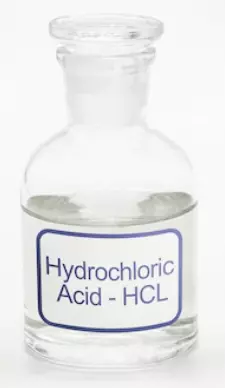
Hydrochloric Acid (33%) - India
Found this useful?