Hydrogen Peroxide: Applications in Textiles, Paper and Water Treatment
Hydrogen peroxide serves as a key industrial chemical across three major processing areas: textile bleaching, pulp and paper production and water treatment. Its strong oxidizing properties help manufacturers remove unwanted colour, improve product quality and manage selected contaminants in industrial water systems.
For chemical traders, procurement managers and industrial buyers, hydrogen peroxide offers opportunities across several industries that require consistent chemical performance and reliable supply. However, buyers must evaluate concentration, purity, process compatibility and transportation requirements before selecting a supplier.
The chemical's versatility also makes purchasing decisions application-specific. A textile mill, a paper manufacturer and a wastewater treatment facility may all purchase hydrogen peroxide, but each operation requires different performance parameters, handling procedures and delivery arrangements.
What Is Hydrogen Peroxide and Why Do Industries Use It?
Hydrogen peroxide (H₂O₂) is a chemical compound that typically appears as a clear, colourless liquid when supplied as an aqueous solution. It acts as an oxidizing agent, which means it can react with other substances by accepting electrons and changing their chemical structure.
Manufacturers value this property because it supports bleaching, oxidation and certain water treatment processes. Hydrogen peroxide also decomposes into water and oxygen under appropriate conditions, making it useful in applications where buyers want to limit persistent chemical residues from the treatment itself.
Industrial suppliers offer hydrogen peroxide in different concentrations and formulations to meet specific requirements. Buyers should not treat these grades as interchangeable because concentration, stabilizer composition and impurity limits can affect process performance and safe handling.
The main industrial characteristics that influence its selection include:
Oxidizing strength: Hydrogen peroxide helps break down colour-producing compounds and oxidize selected contaminants.
Process compatibility: Correct dosing and operating conditions help achieve the required result without unnecessarily damaging fibres, pulp or treatment equipment.
Formulation requirements: Concentration and stabilization influence storage, transport and suitability for particular processes.
Handling requirements: Hydrogen peroxide can cause serious injury at industrial concentrations and requires suitable equipment, compatible containers and trained personnel.
Hydrogen Peroxide Applications in Textile Bleaching
Textile manufacturers use hydrogen peroxide primarily to bleach fabrics and prepare fibres for subsequent processing. Cotton and other cellulosic materials can contain natural pigments, waxes and other impurities that interfere with whiteness, absorbency and dye uniformity.
During bleaching, hydrogen peroxide oxidizes colour-producing compounds and helps prepare the fabric for dyeing, printing or finishing. Properly controlled treatment can improve brightness while maintaining the strength and quality of the textile fibres.
This application matters across several stages of textile production:
Cotton pretreatment: Mills use hydrogen peroxide to improve fabric whiteness and remove unwanted natural coloration before dyeing.
Yarn processing: Bleaching helps prepare yarn for applications that require a cleaner, more uniform appearance.
Fabric finishing: Consistent bleaching supports more predictable colour development in later production stages.
Industrial textile processing: Large mills need dependable chemical supply to maintain continuous production and consistent quality across batches.
Hydrogen peroxide performance depends on more than the chemical concentration alone. Temperature, pH, treatment duration, water quality and the presence of stabilizers can influence bleaching results, while trace metals such as iron and copper may accelerate decomposition and reduce process efficiency.
For procurement teams, supplier selection should therefore include product specifications and evidence of batch consistency. Buyers should also coordinate with production teams to determine the required concentration, expected consumption rate and acceptable impurity limits before placing bulk orders.
Hydrogen Peroxide in Pulp and Paper Manufacturing
The pulp and paper industry represents another major application area for hydrogen peroxide. Manufacturers use it to brighten pulp, support paper production and remove colour from recovered paper during recycling.
In pulp bleaching, hydrogen peroxide helps oxidize coloured compounds associated with lignin and other materials. Producers can incorporate it into bleaching sequences to achieve the brightness specifications required for different paper grades.
Recycled paper processing also creates demand for hydrogen peroxide. During deinking, mills remove printing inks and other unwanted colourants from recovered fibres, helping prepare the material for reuse in new paper products.
Its main applications in this sector include:
Mechanical pulp bleaching: Hydrogen peroxide improves pulp brightness while helping manufacturers retain useful fibre characteristics.
Chemical pulp processing: Producers incorporate it into bleaching sequences to meet required brightness and quality specifications.
Recovered paper recycling: Oxidation supports deinking and colour reduction in recycled fibre processing.
Specialty paper production: Certain paper grades require controlled brightness, appearance and consistency, creating demand for suitable bleaching chemicals.
Hydrogen peroxide can also support bleaching strategies designed to reduce reliance on chlorine-based bleaching chemicals. The overall environmental and production benefits depend on the complete process, including other chemicals, energy use, wastewater management and operating conditions.
Paper manufacturers should evaluate the chemical against pulp quality, target brightness, consumption rates and compatibility with existing equipment. Reliable deliveries matter because interruptions in bleaching chemical supply can affect production schedules, product consistency and operating costs.
Hydrogen Peroxide for Industrial Water Treatment
Water and wastewater treatment facilities use hydrogen peroxide for oxidation and other treatment applications. Depending on the water composition and treatment design, it can help transform selected dissolved contaminants into forms that are easier to remove or manage.
One important application involves advanced oxidation processes, where hydrogen peroxide combines with an activation method, such as ultraviolet light, to generate highly reactive hydroxyl radicals. These radicals can break down certain persistent organic compounds, although effectiveness depends on contaminant type, water chemistry and operating conditions.
Hydrogen peroxide also supports other water treatment operations:
Industrial wastewater treatment: Facilities can use it to oxidize selected organic pollutants and improve treatment performance.
Odour control: Under suitable conditions, oxidation can help manage compounds responsible for unwanted odours.
Dechlorination: Operators can use hydrogen peroxide to remove residual chlorine from water when the process design and dosing requirements support this application.
Process water management: Certain industrial operations use it as part of a treatment sequence to address specific water quality problems.
Buyers must distinguish between general oxidation requirements and specialized treatment applications. A chemical suitable for one wastewater stream may not deliver the same results in another because pH, temperature, organic loading and other dissolved substances influence its behaviour.
Procurement teams should consult treatment engineers when establishing product specifications. They should confirm the required concentration, dosing system compatibility, delivery frequency and quality documentation before approving a supplier.
Key Factors That Influence Hydrogen Peroxide Purchasing Decisions
Hydrogen peroxide procurement requires a clear understanding of how product specifications affect operational performance. Buyers should evaluate the application first, then compare suppliers against consistent technical and commercial criteria.
Concentration and grade are among the most important considerations. A facility using hydrogen peroxide for textile bleaching may require a different specification from a water treatment operator, so purchasing teams should confirm the concentration and applicable quality requirements rather than choosing solely by price.
Other factors deserve equal attention:
Purity and stabilizers: Impurity limits and stabilizer composition can influence suitability for sensitive industrial processes. Buyers should request technical documentation and confirm compatibility with their production systems.
Consistency between batches: Stable product quality helps prevent unexpected changes in bleaching results, chemical consumption or treatment efficiency.
Packaging and delivery format: Drums, intermediate bulk containers and bulk tankers may suit different purchasing volumes and site infrastructure. The chosen format must comply with product compatibility and handling requirements.
Supplier reliability: Production capacity, lead times, export experience and delivery consistency can matter as much as the quoted unit price.
Technical support: Suppliers that provide clear specifications and handling guidance can help buyers resolve product selection issues more efficiently.
Purchasing teams should also calculate the total delivered cost rather than comparing quotations on a price-per-tonne basis alone. Freight, packaging, storage arrangements, import charges, handling requirements and potential production losses can all influence the real cost of procurement.
Hydrogen Peroxide Supply Chain, Storage and Safety
Hydrogen peroxide purchasing involves specific logistics because the chemical behaves differently from many conventional industrial liquids. Its decomposition can release oxygen and heat, particularly when contamination, incompatible materials or unsuitable storage conditions accelerate the reaction.
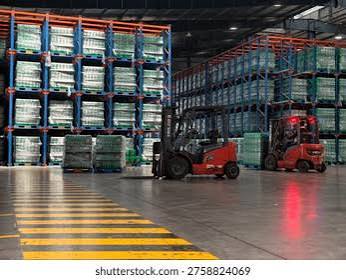
For importers and distributors, supplier evaluation should include packaging compatibility, transport arrangements and the availability of appropriate safety documentation. Buyers should also confirm local transport and storage requirements before accepting shipments.
Important supply chain considerations include:
Storage conditions: Follow the supplier's safety data sheet and product-specific instructions for temperature control, ventilation, contamination prevention and storage equipment.
Material compatibility: Use approved containers, piping, seals and transfer equipment. Certain metals, contaminants and incompatible materials can accelerate decomposition.
Shipment integrity: Check packaging condition, product identification, batch details and accompanying documents when receiving deliveries.
Inventory planning: Match order quantities to actual consumption, storage capacity and supplier lead times to avoid unnecessary inventory accumulation.
Emergency preparedness: Ensure personnel understand the relevant hazards, personal protective equipment requirements and site-specific emergency procedures.
Hydrogen peroxide should never enter an unsuitable or contaminated container. Industrial buyers must follow the product safety data sheet, applicable regulations and established site procedures rather than relying on general chemical storage practices.
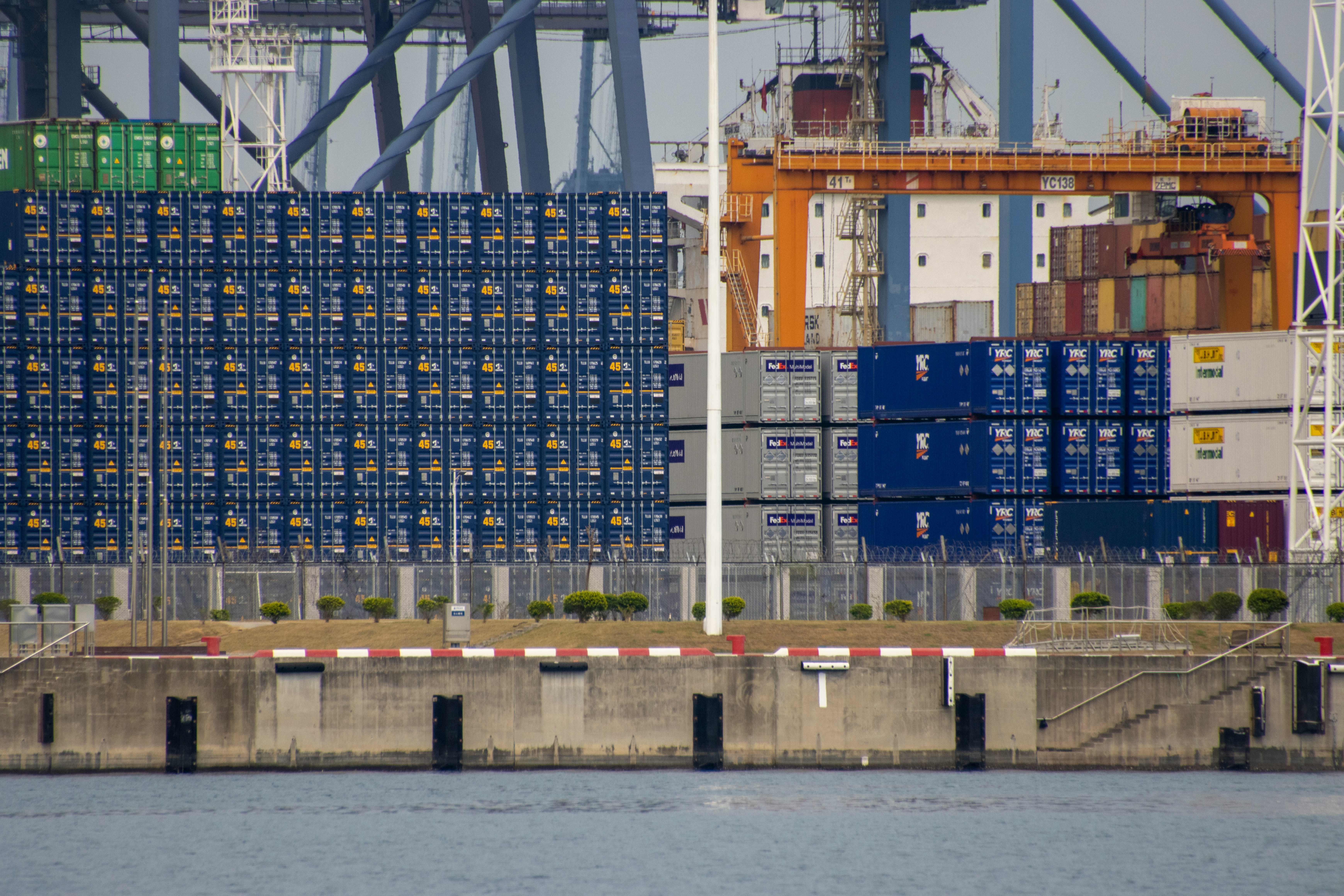
International buyers should also evaluate the supplier's export documentation, transport arrangements and ability to meet destination-country requirements. These checks help reduce the risk of shipment delays, damaged packaging and avoidable compliance problems.
Environmental Considerations and Process Efficiency
Hydrogen peroxide attracts industrial interest partly because its decomposition can produce water and oxygen. However, buyers should assess environmental performance across the complete application rather than assuming that every hydrogen peroxide process automatically delivers a lower environmental impact.
In textile and paper manufacturing, controlled bleaching can support production strategies that reduce dependence on selected chlorine-based chemicals. The actual benefit depends on the complete bleaching sequence, energy and water consumption, wastewater characteristics and the management of other process chemicals.
Water treatment applications require similar attention to operating efficiency. Excessive dosing can increase chemical costs and may complicate downstream treatment, while insufficient dosing can leave contaminants untreated or reduce process performance.
Procurement and operations teams can improve efficiency by working together on several priorities:
Establish a target treatment result and a documented dosing range for the intended application.
Monitor chemical consumption alongside product quality or treatment performance.
Review water quality and other process conditions that may affect hydrogen peroxide stability.
Evaluate suppliers based on consistent product quality and reliable technical documentation.
Track waste generation, energy use and downstream treatment requirements when assessing environmental performance.
These measures help connect chemical purchasing decisions with operational and environmental objectives. They also give buyers a stronger basis for comparing offers from different suppliers.
What Procurement Teams Should Prioritize in 2027
Demand for hydrogen peroxide remains closely connected to industrial bleaching, recycled paper processing and water treatment requirements. Manufacturers in these sectors need chemicals that meet technical specifications while supporting production continuity and cost control.
For chemical traders, these applications create opportunities to serve customers with different purchasing volumes and technical needs. Understanding the end use helps traders match product grades to buyer requirements, develop stronger supplier relationships and avoid unsuitable offers.
Procurement teams should focus on five priorities when planning future purchases:
Define application-specific specifications. Confirm concentration, purity, stabilizer requirements and any relevant industry standards before requesting quotations.
Compare total supply costs. Assess product pricing, freight, packaging, import expenses and delivery schedules together.
Qualify suppliers carefully. Review technical data sheets, safety data sheets, quality documentation and the supplier's ability to maintain consistent deliveries.
Plan inventory around actual consumption. Coordinate purchase volumes with production schedules, storage capacity and expected lead times.
Coordinate purchasing with technical teams. Involve production or water treatment specialists when evaluating product suitability and assessing changes in chemical consumption.
Buyers should also monitor changes in operating requirements, environmental expectations and supply chain conditions that may influence future purchasing decisions. A structured sourcing process can help manufacturers maintain quality, manage procurement risks and identify suitable commercial offers across domestic and international markets.
Hydrogen peroxide serves distinct but interconnected roles in textiles, paper manufacturing and water treatment. Businesses that align product specifications with their intended applications can make better purchasing decisions, improve supply reliability and support more consistent industrial operations.
Hydrogen Peroxide (35%) - Thailand
Found this useful?